
Flowering Shrubs
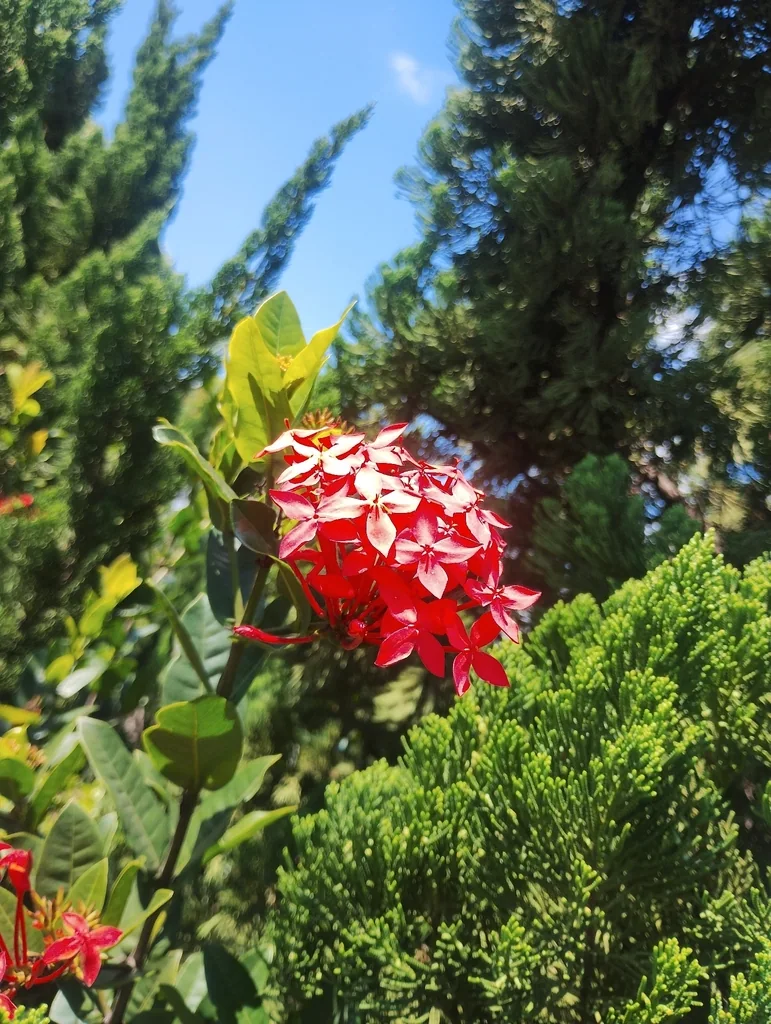
Ixora
Ixora coccineaClusters of red, orange, pink, or yellow flowers. Best considered for a layered foundation bed or sunny entrance.
Read plant guide →Learn what grows where: flowering shrubs, Florida natives, groundcovers, palms, ornamental grasses and plants for shade or wet spaces. Every guide focuses on practical decisions for Treasure Coast homeowners.
Clusters of red, orange, pink, or yellow flowers. Best considered for a layered foundation bed or sunny entrance.
Read plant guide →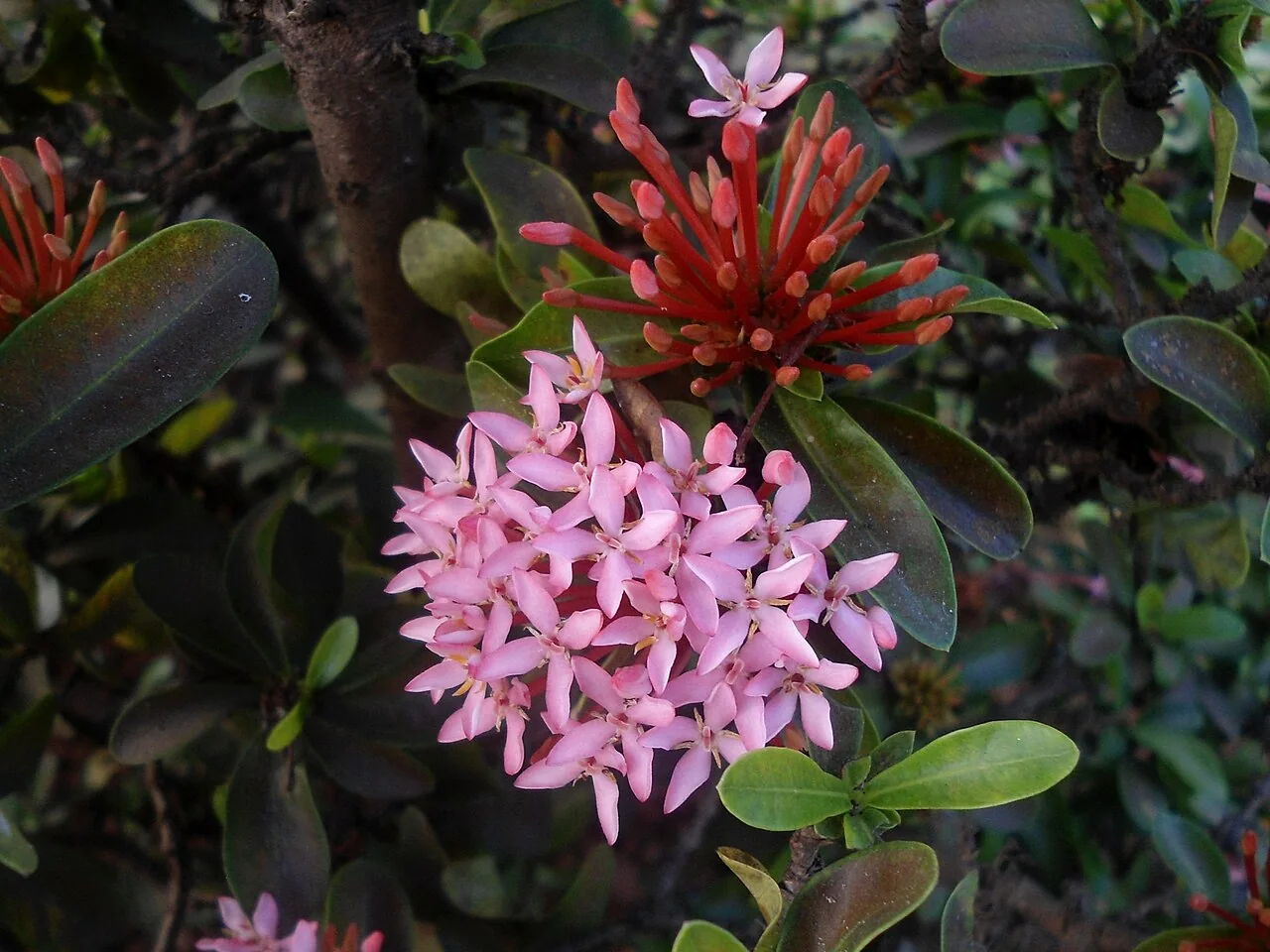
A lower, colorful version of ixora for tidy edges. Best considered for a low front-bed hedge or mass planting.
Read plant guide →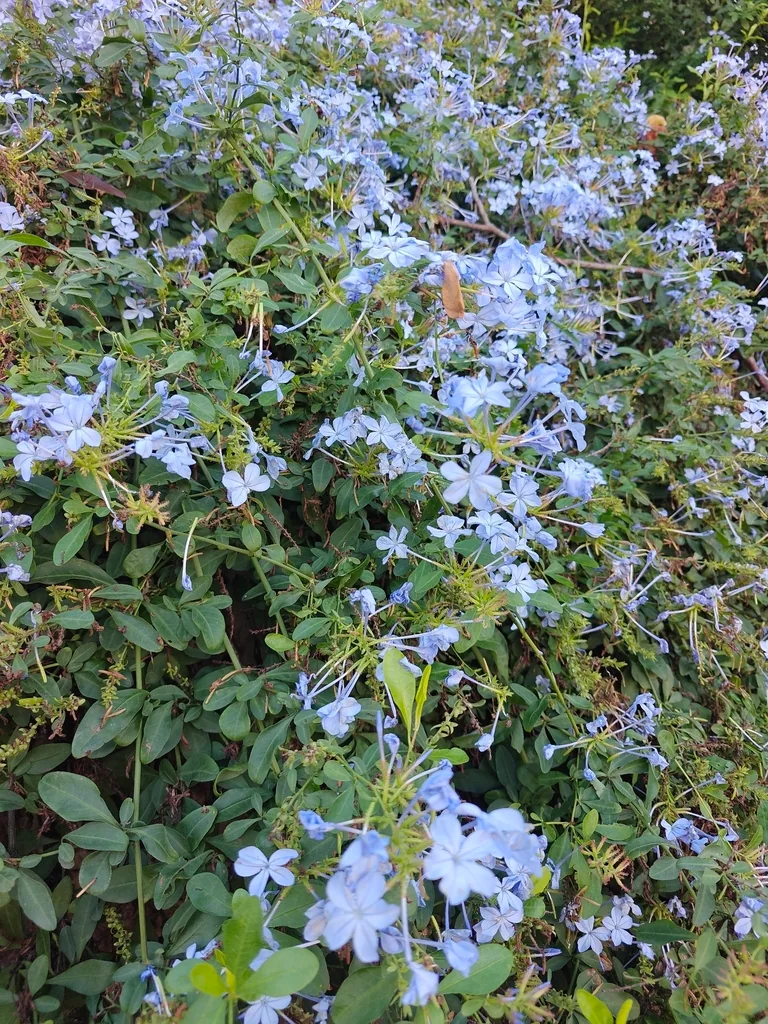
Sky-blue flower clusters and a relaxed spreading habit. Best considered for a wide sunny foundation bed with room to arch.
Read plant guide →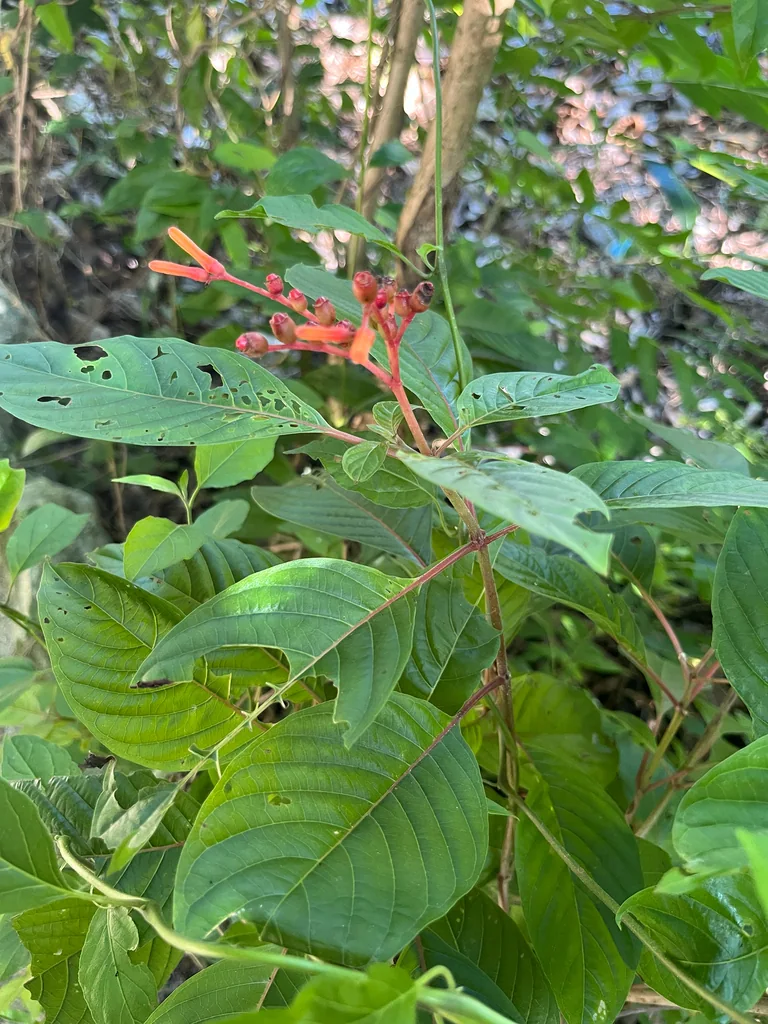
Red-orange tubular flowers popular with hummingbirds. Best considered for a sunny wildlife-friendly corner or back-of-bed accent.
Read plant guide →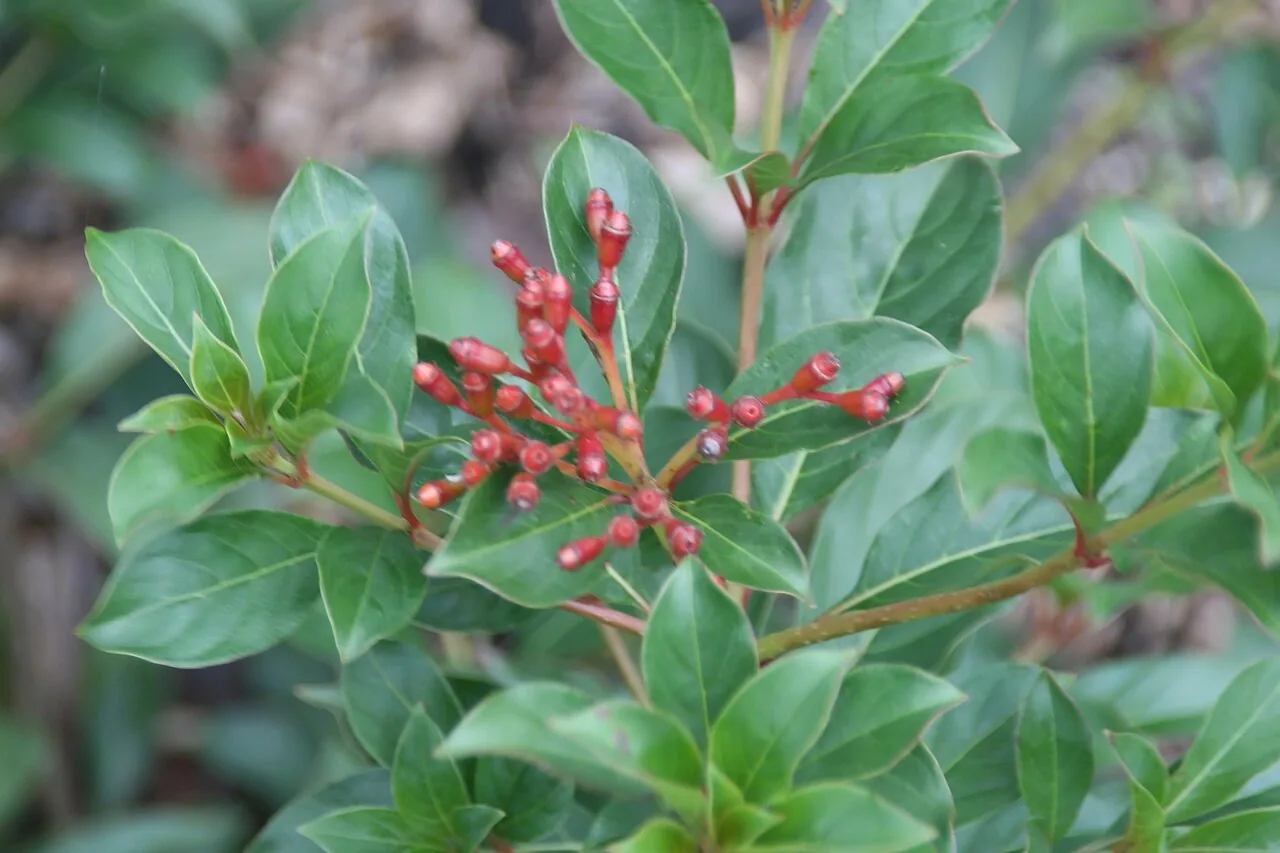
Firebush color in a more manageable cultivated shape. Best considered for a medium-height pollinator grouping.
Read plant guide →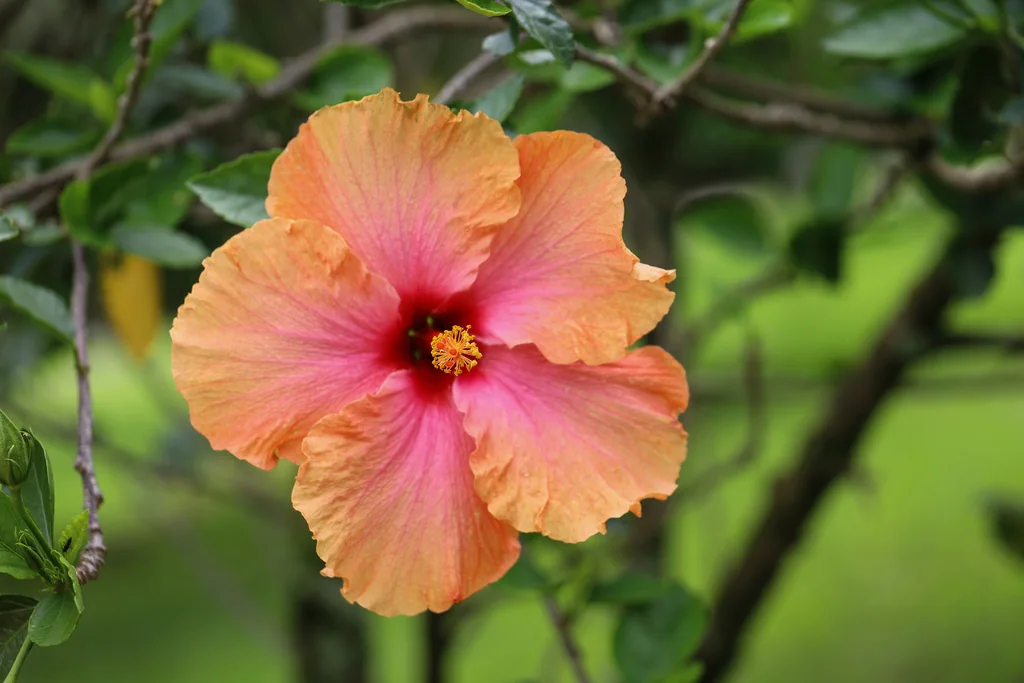
Large dramatic blooms in many colors. Best considered for a protected front-yard focal point.
Read plant guide →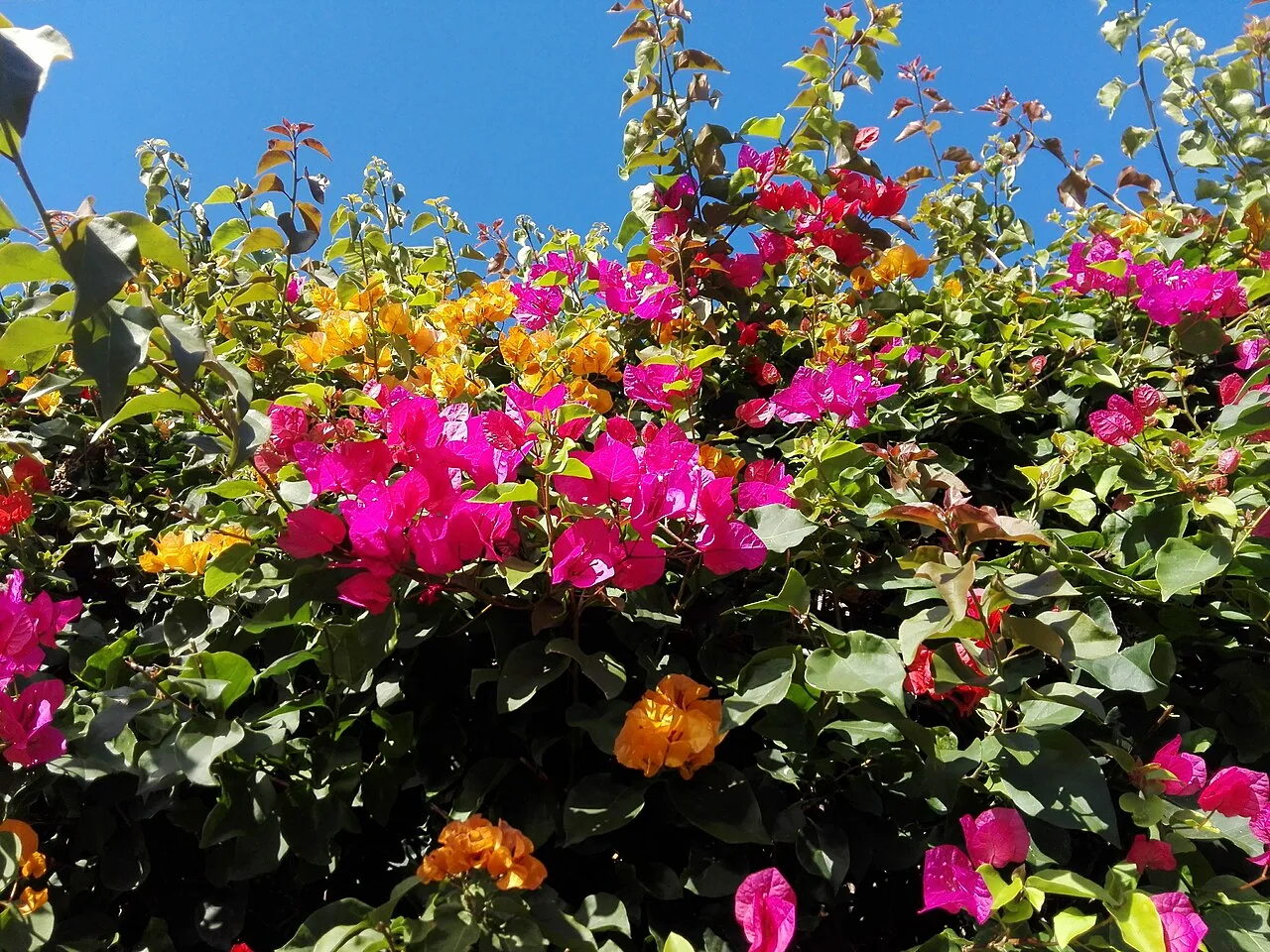
Brilliant papery bracts around small flowers. Best considered for a sunny wall or open trellis away from foot traffic.
Read plant guide →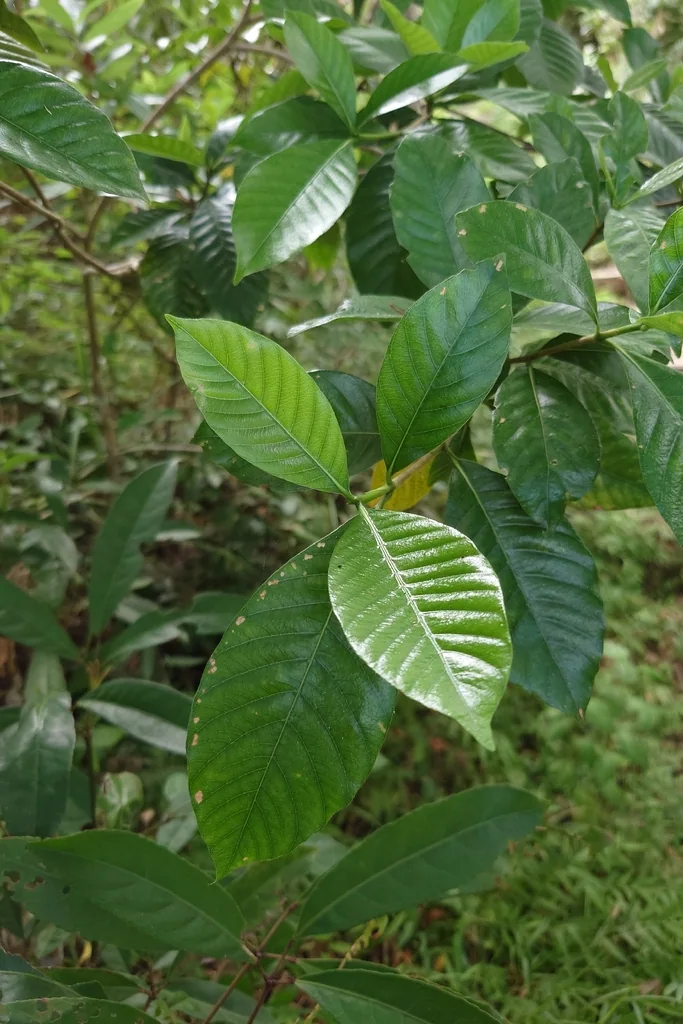
Creamy white fragrant blooms and glossy foliage. Best considered for a sheltered entry garden.
Read plant guide →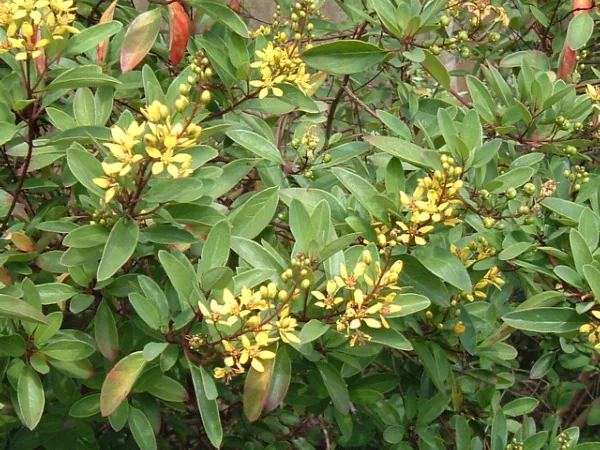
Fine-textured foliage and sprays of yellow flowers. Best considered for a bright informal mixed border.
Read plant guide →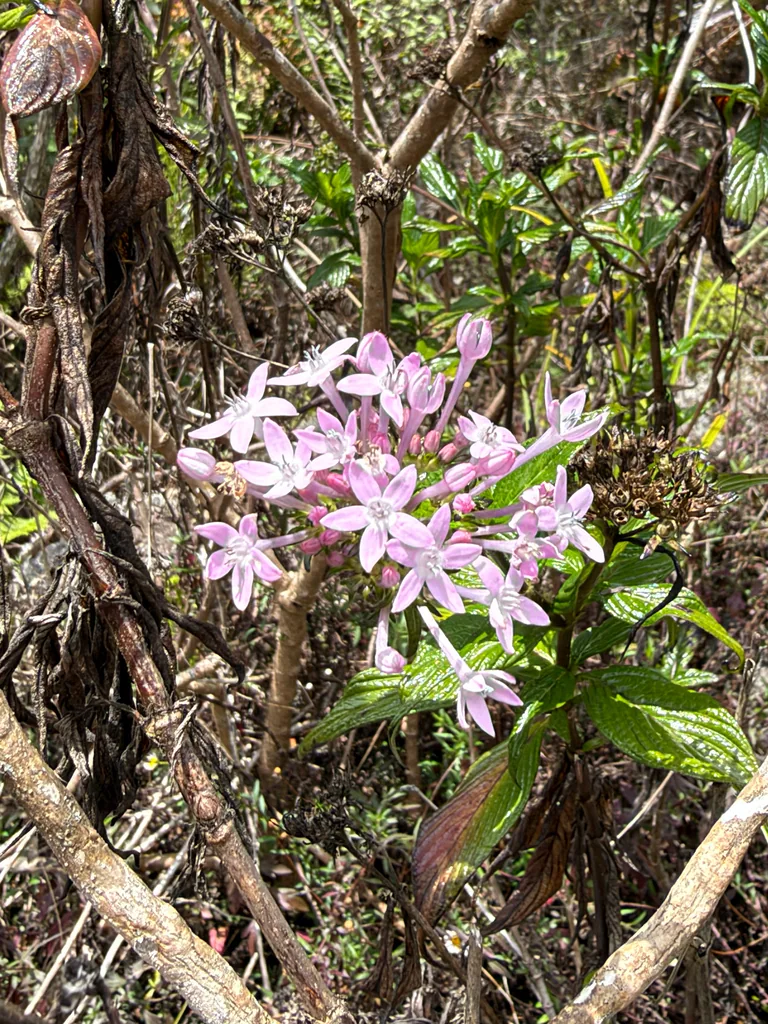
Pink, red, white, or lavender nectar-rich flower clusters. Best considered for butterfly borders and colorful bed fronts.
Read plant guide →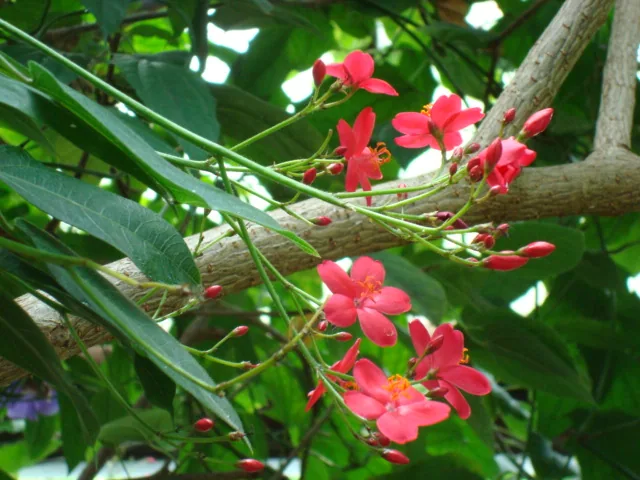
Red flowers against glossy leaves on a large shrub. Best considered for a sunny specimen planting.
Read plant guide →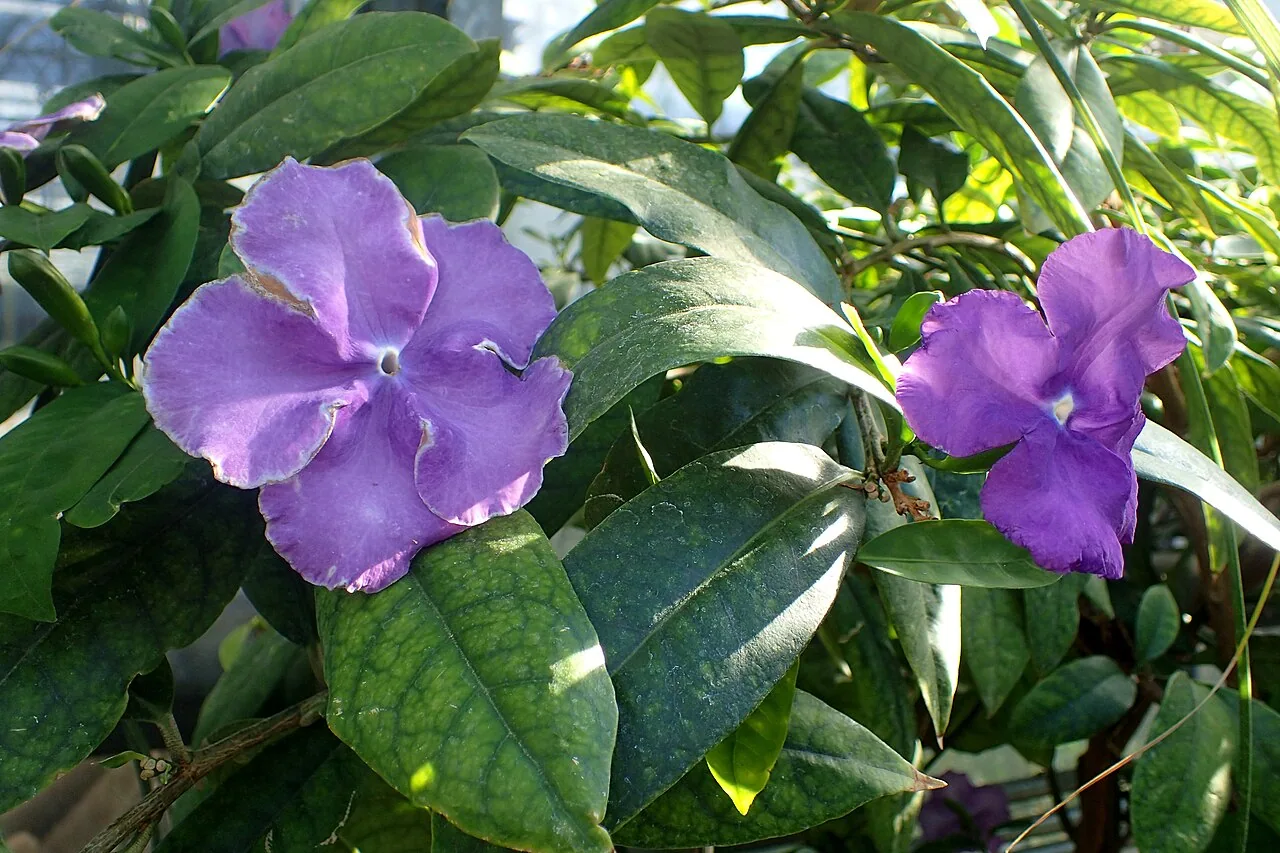
Flowers that change from purple to lavender to white. Best considered for a sheltered, lightly shaded patio border.
Read plant guide →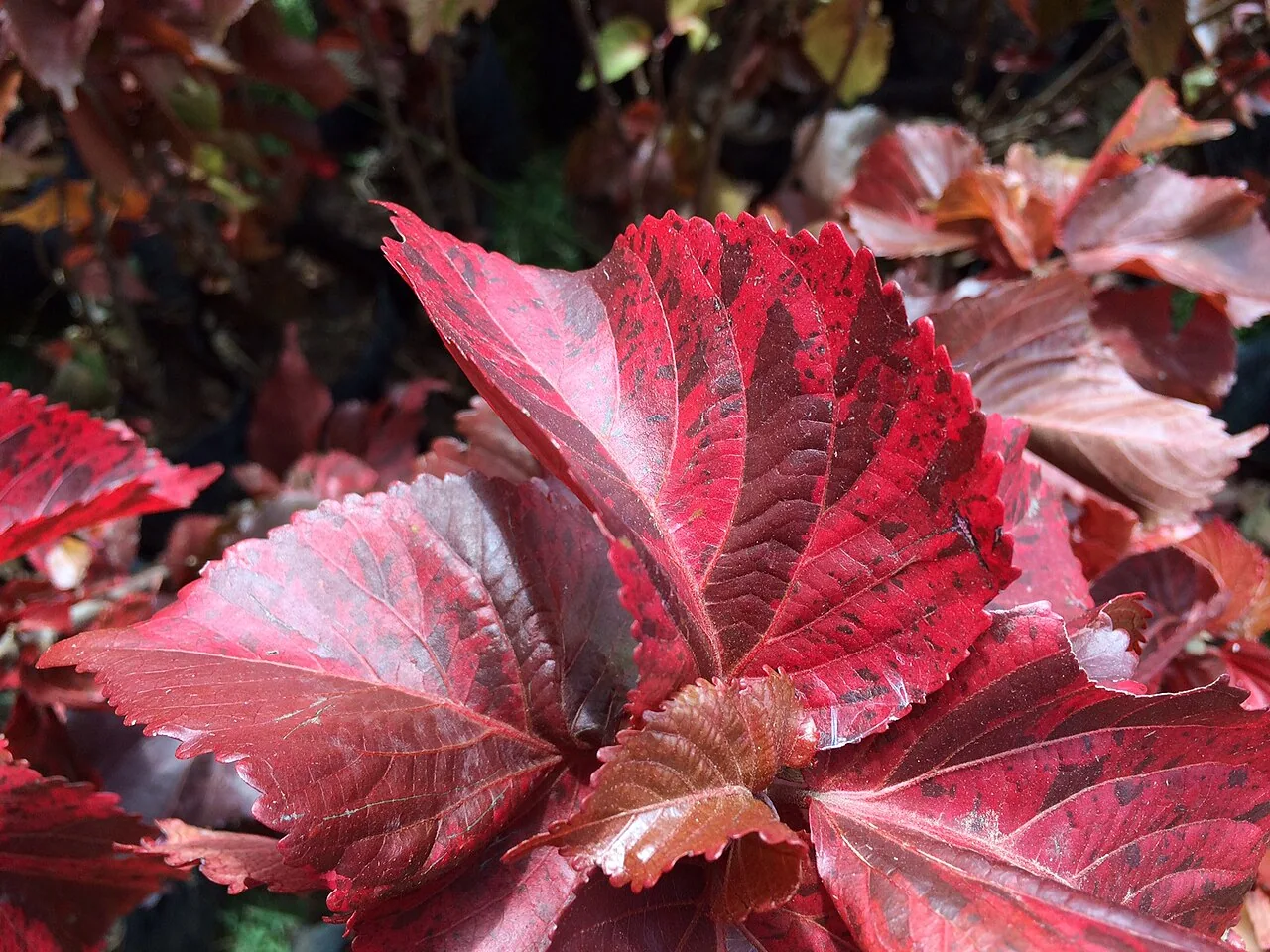
Colorful copper, red, or variegated leaves. Best considered for a warm front-bed foliage backdrop.
Read plant guide →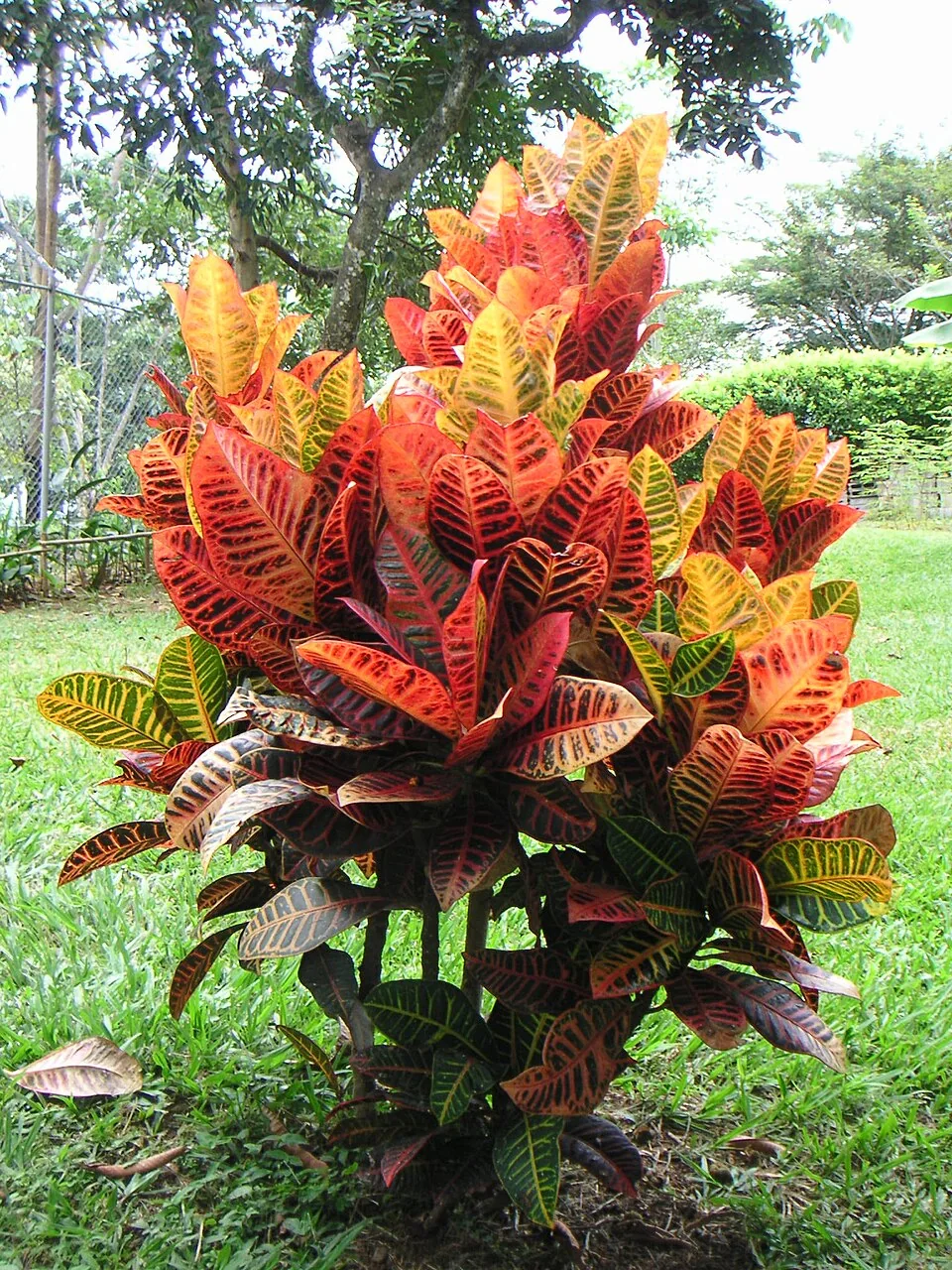
Bold green, yellow, red, and orange leaf patterns. Best considered for a color-focused entrance planter or landscape accent.
Read plant guide →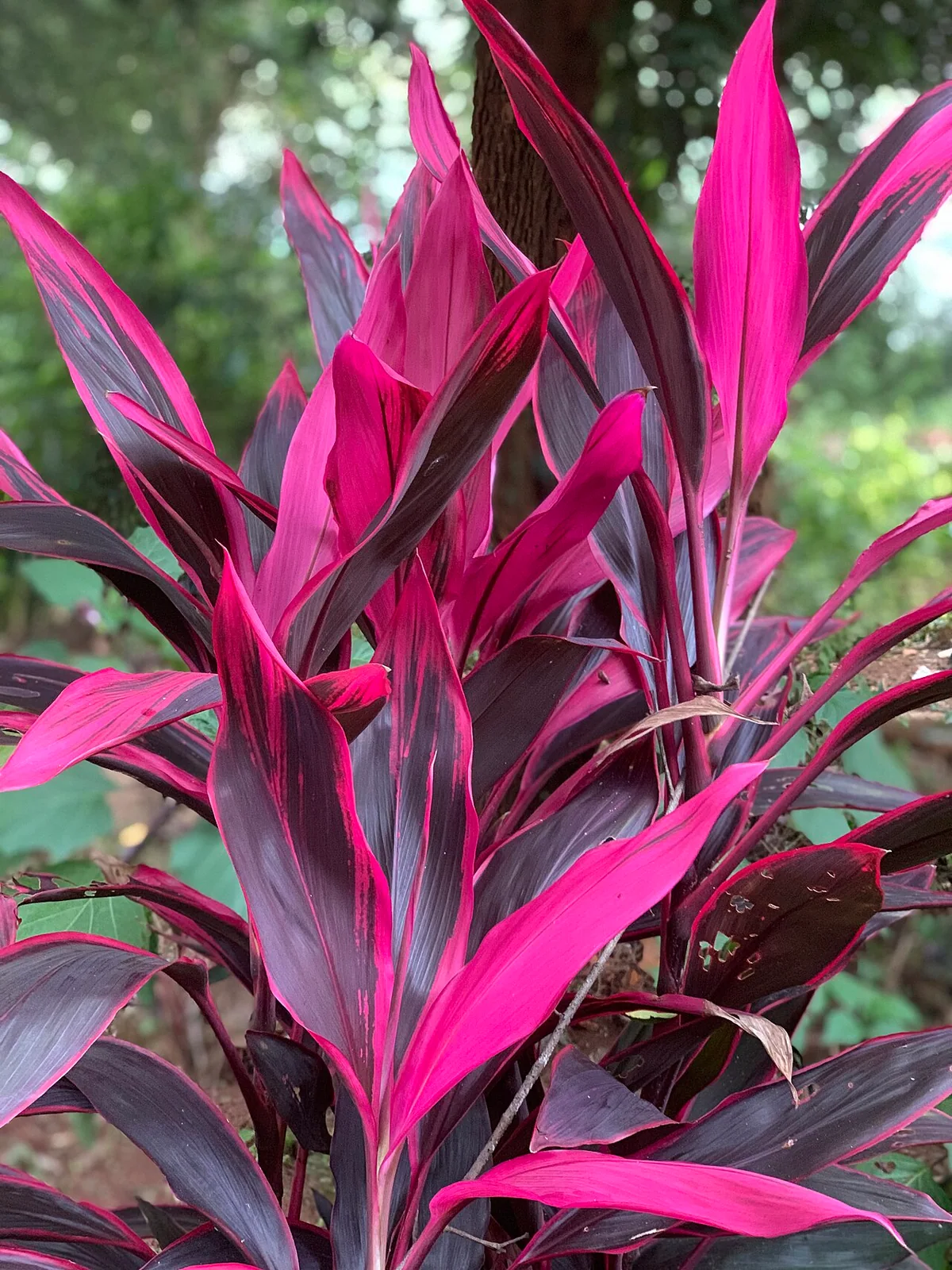
Upright burgundy-purple tropical leaves. Best considered for a shaded tropical accent against a light wall.
Read plant guide →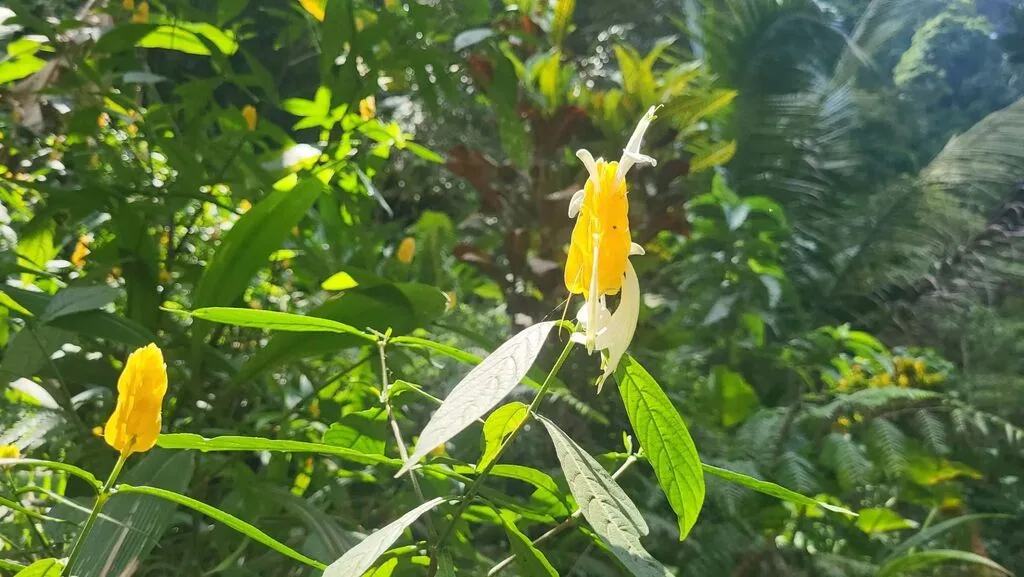
Golden bracts with small white flowers. Best considered for a warm shaded courtyard or patio edge.
Read plant guide →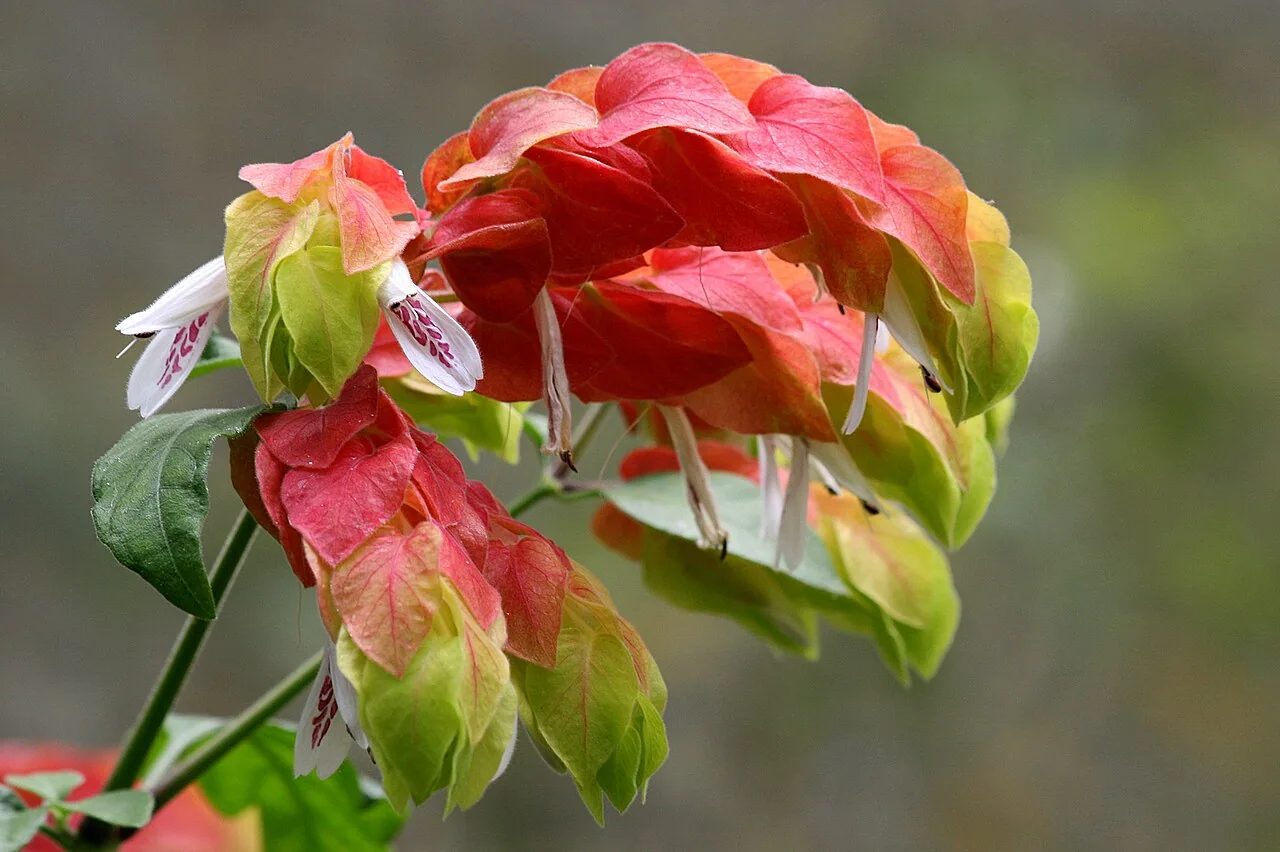
Drooping pinkish bracts that resemble shrimp. Best considered for a protected shady border.
Read plant guide →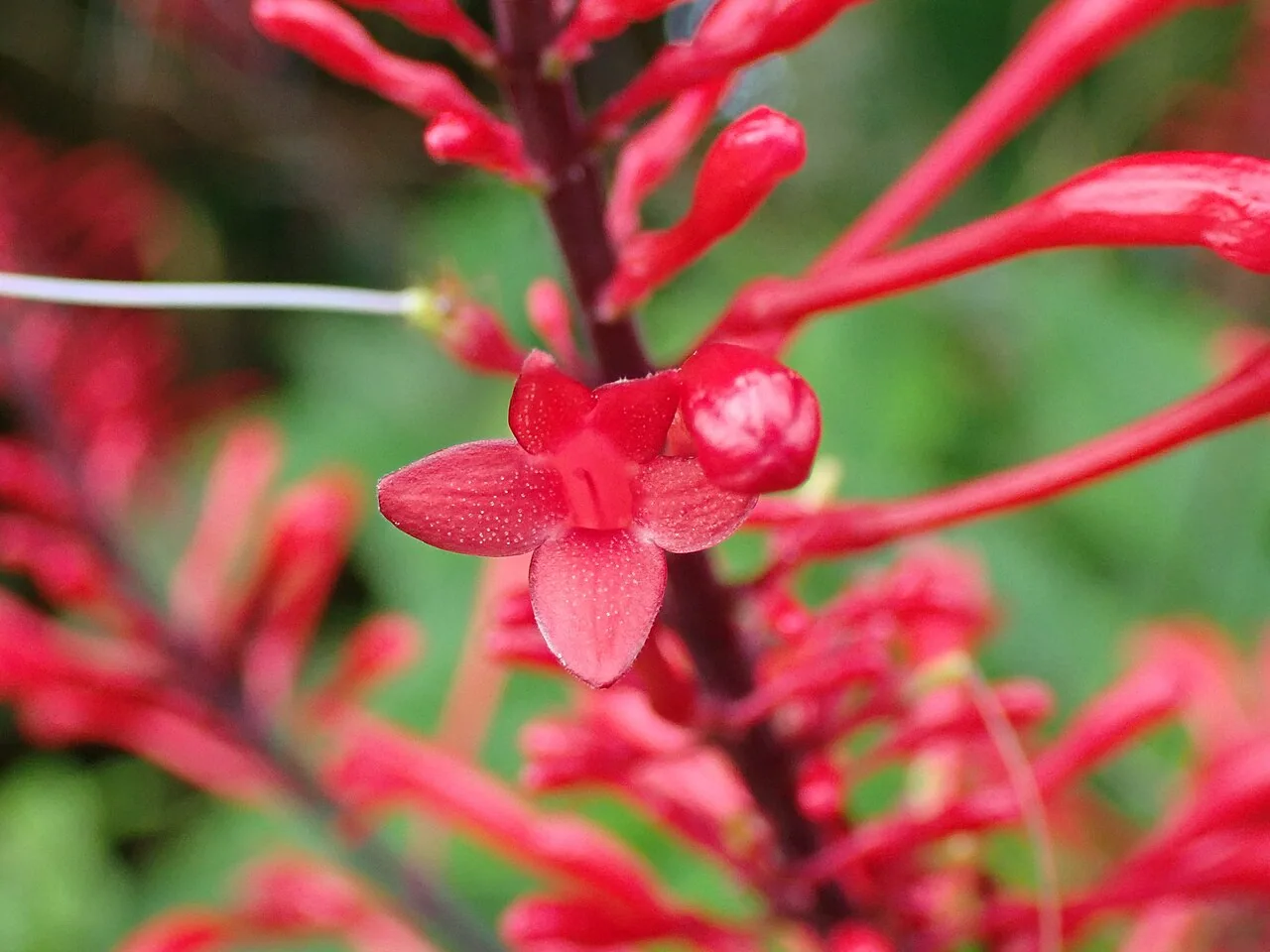
Upright red flower spikes in warm months. Best considered for a partly shaded pollinator bed.
Read plant guide →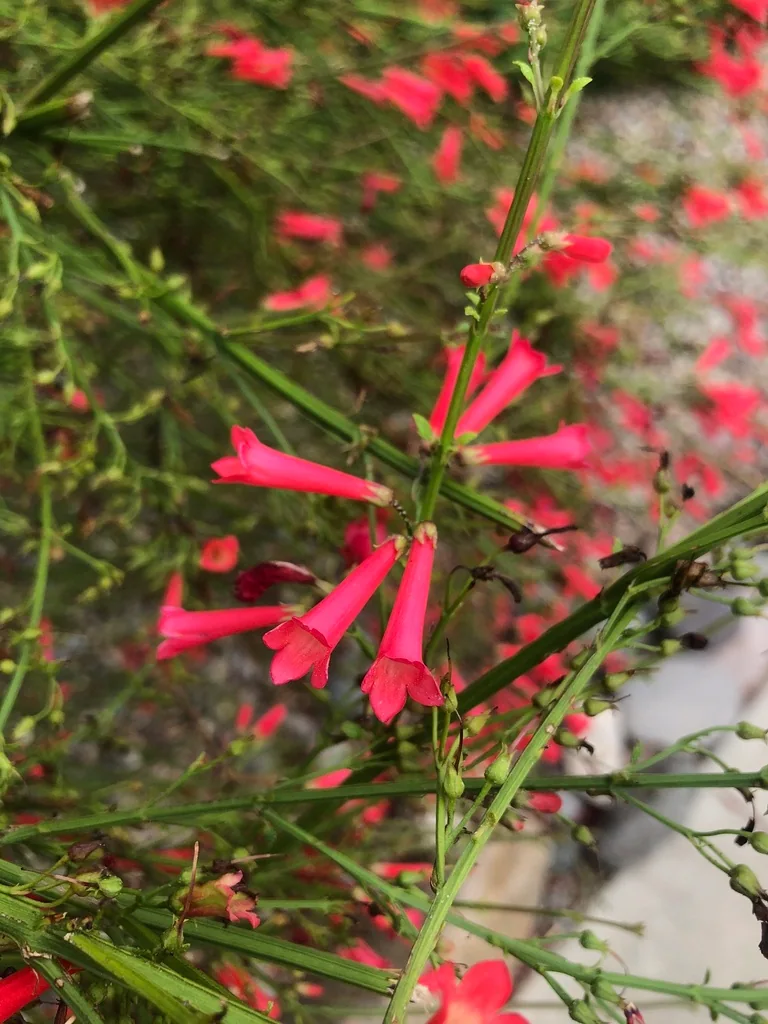
Arching fine green stems with red tubular flowers. Best considered for a raised planter or broad sunny border.
Read plant guide →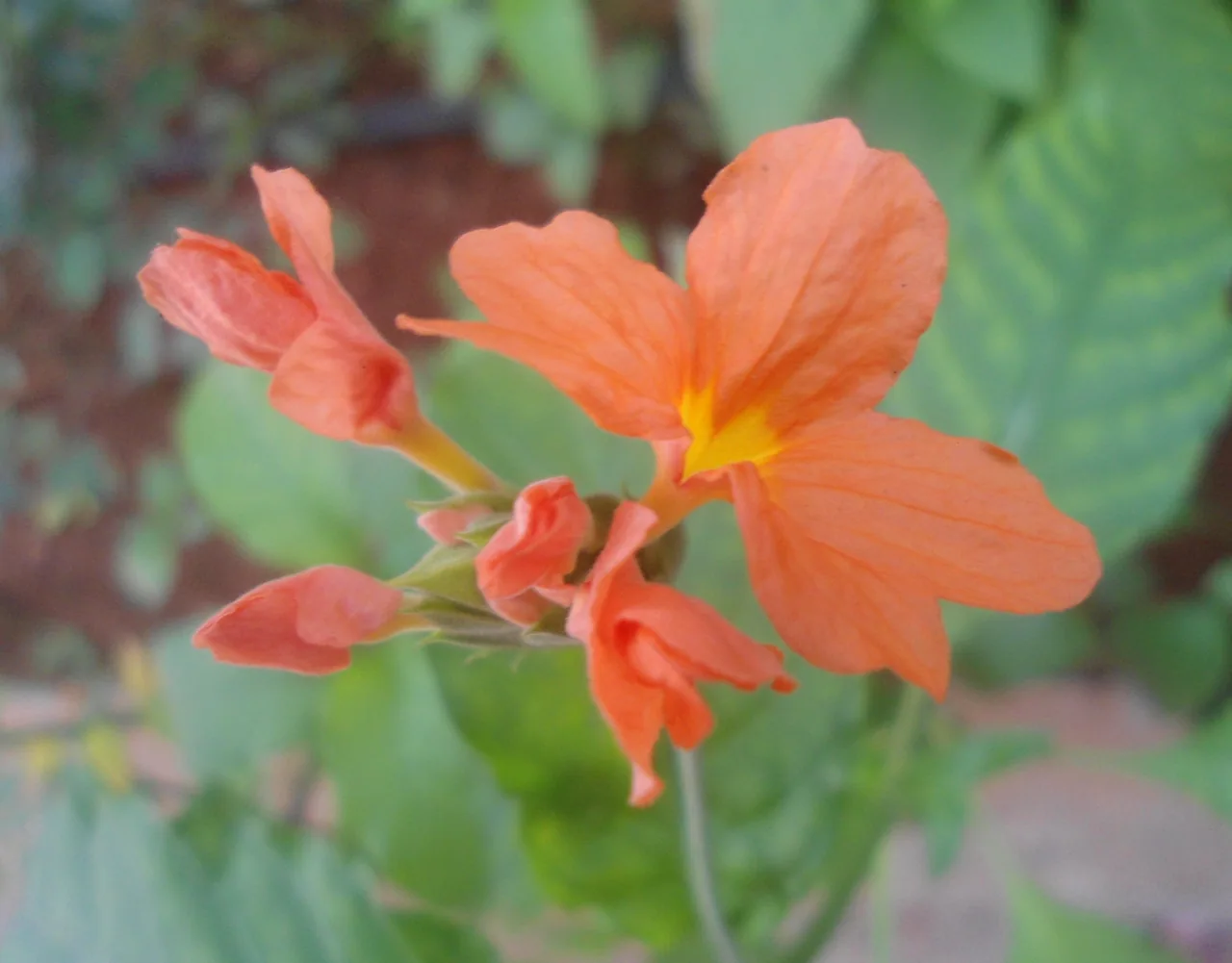
Orange tropical blooms above glossy leaves. Best considered for a protected patio garden.
Read plant guide →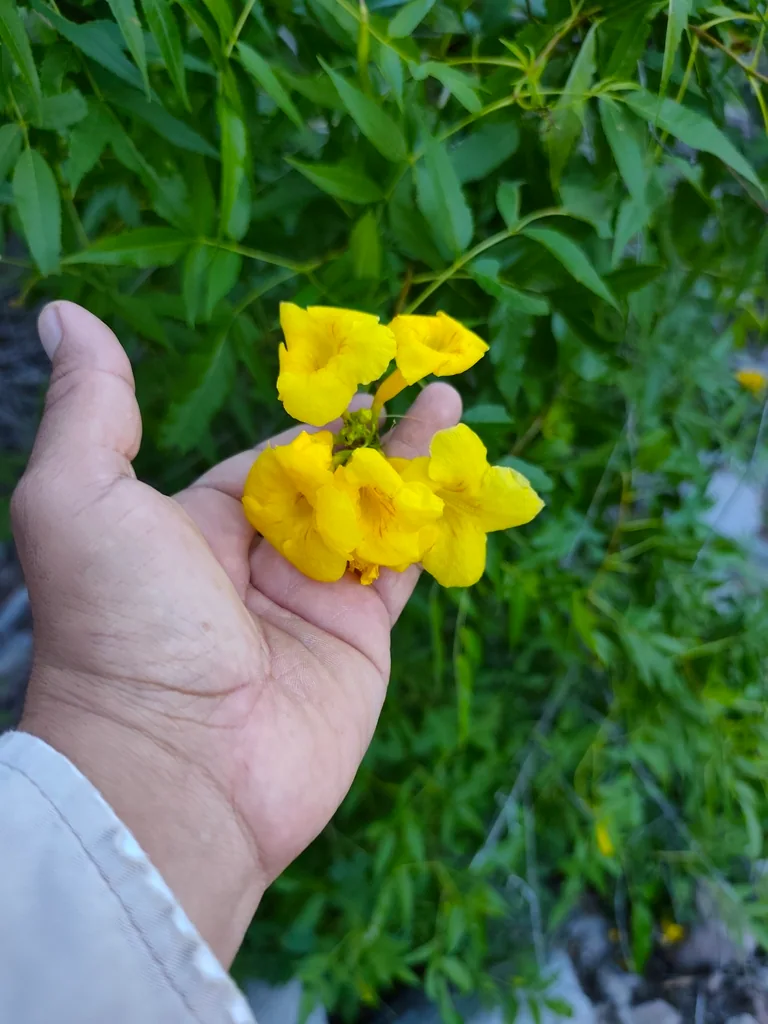
Golden trumpet-shaped blooms. Best considered for a sunny, roomy specimen planting.
Read plant guide →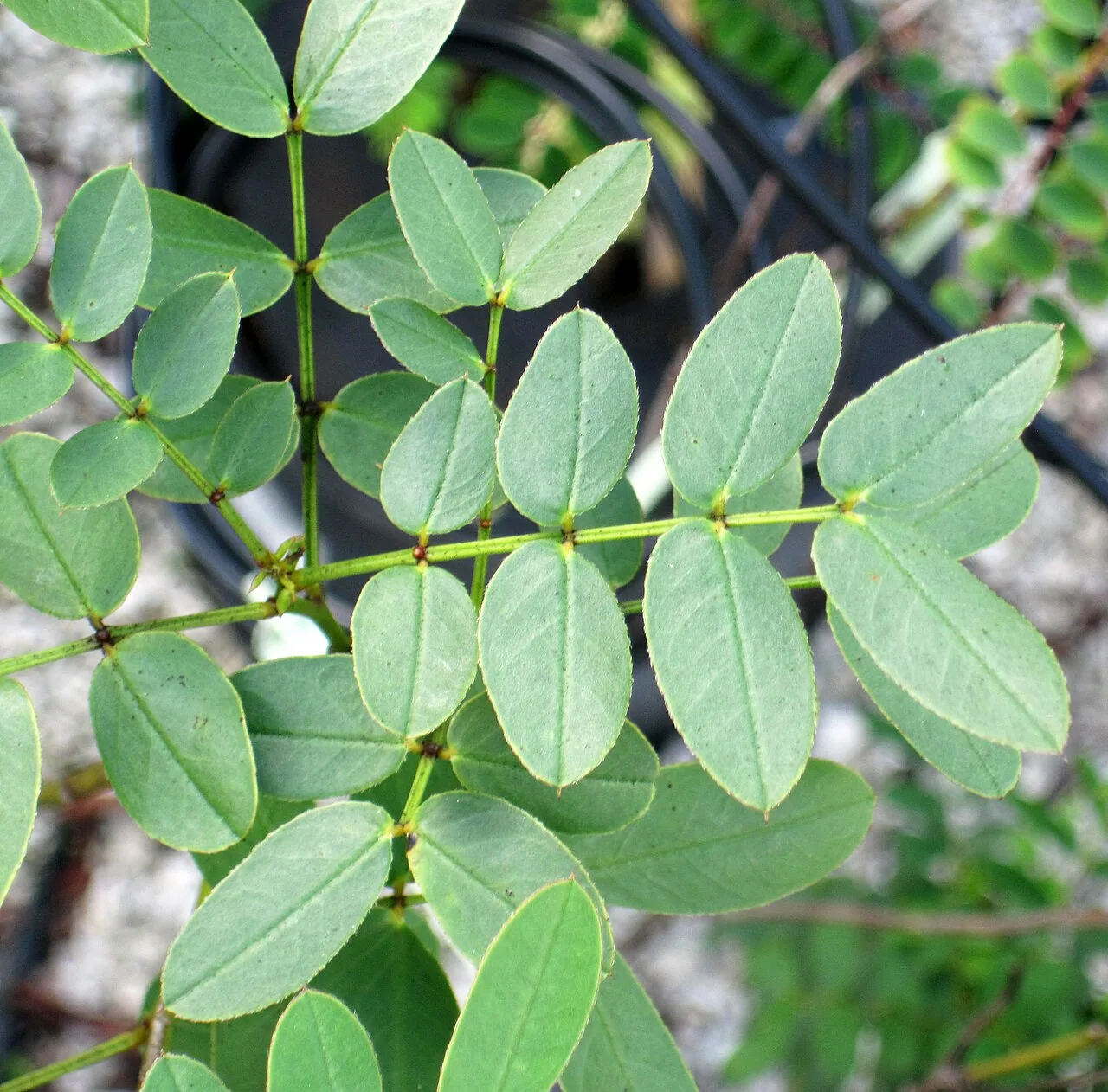
Yellow flowers for pollinator-oriented beds. Best considered for a sunny native butterfly garden.
Read plant guide →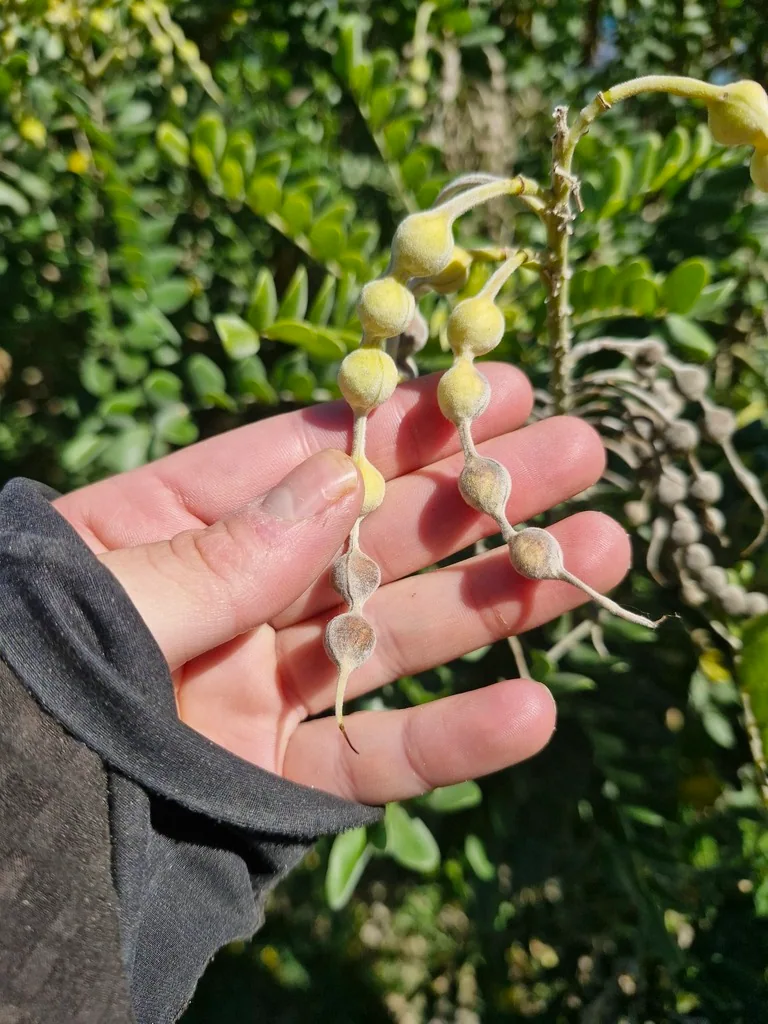
Yellow pea-like flowers and distinctive pods. Best considered for a coastal-influenced native planting.
Read plant guide →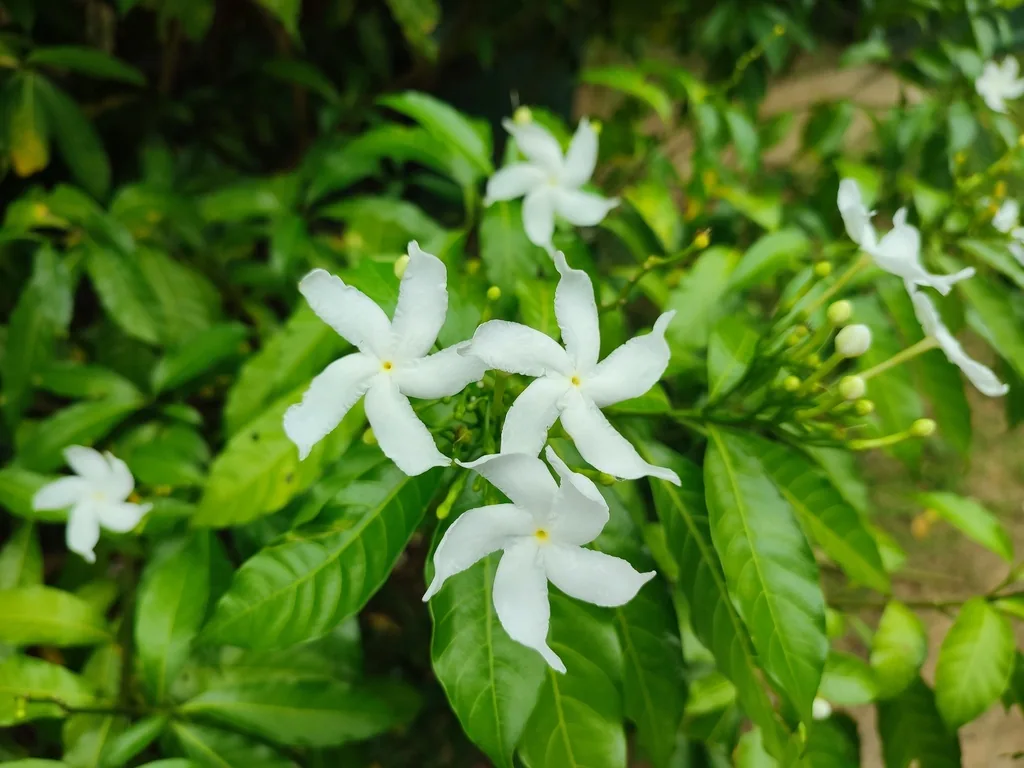
White pinwheel-shaped flowers and glossy leaves. Best considered for a protected scent garden near a patio.
Read plant guide →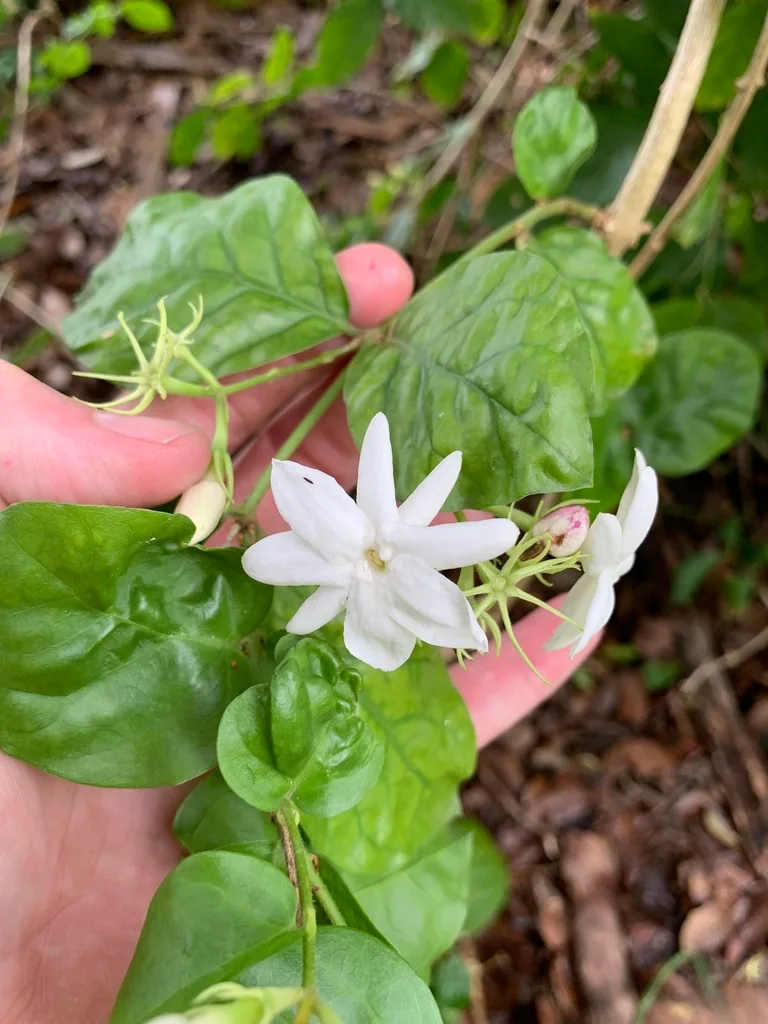
Small intensely fragrant white flowers. Best considered for a patio container or protected entry bed.
Read plant guide →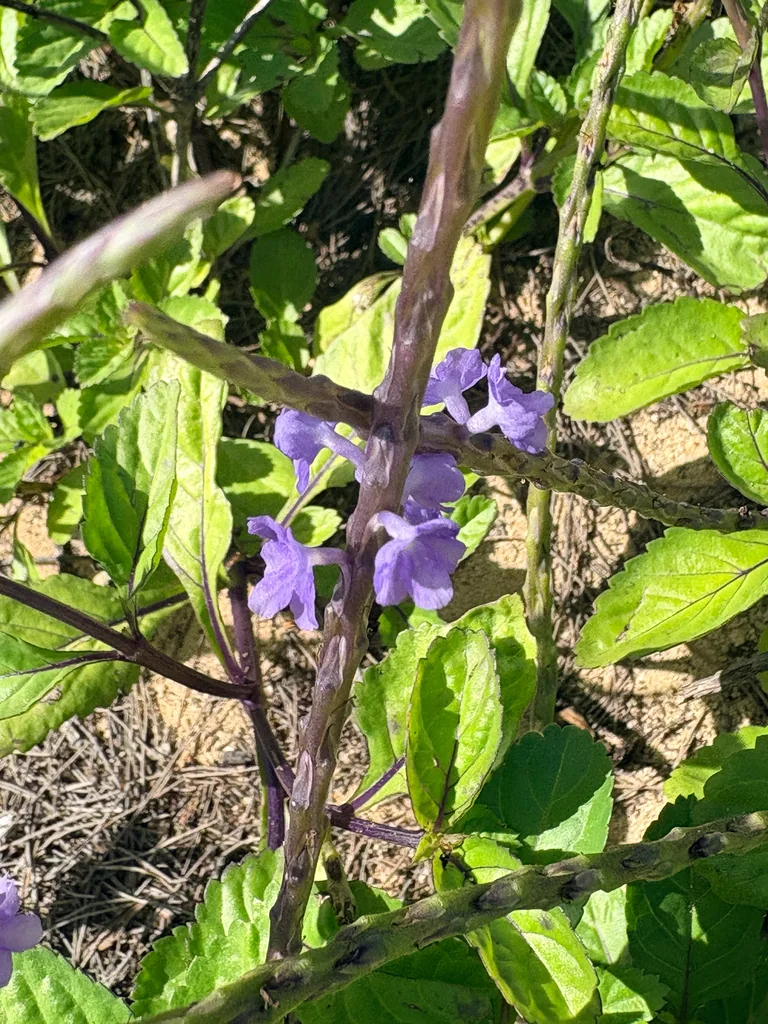
Slender blue-violet flowering spikes visited by butterflies. Best considered for a pollinator border where spreading is welcome.
Read plant guide →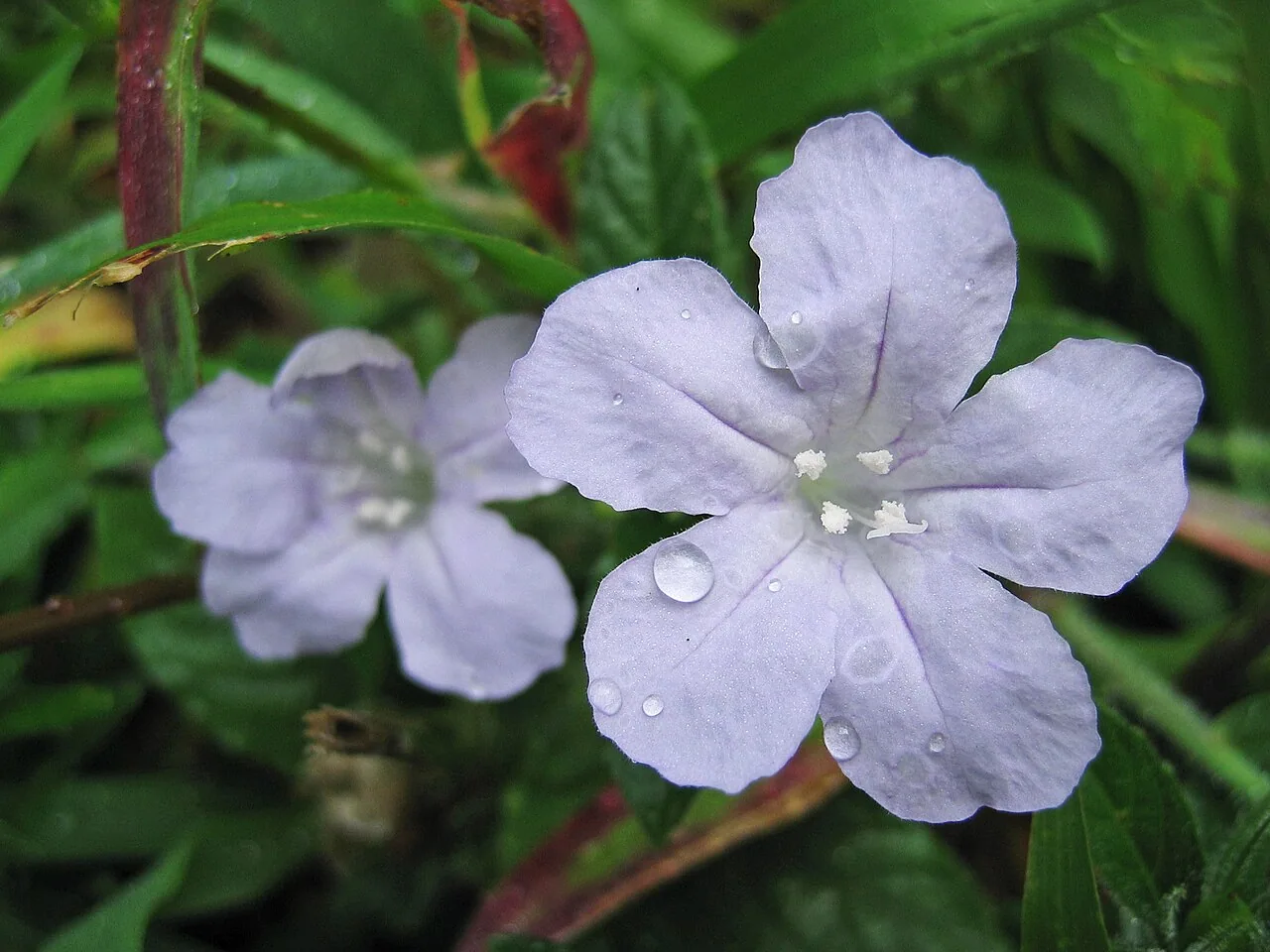
Soft purple flowers on a modest native perennial. Best considered for a naturalistic mixed flowering bed.
Read plant guide →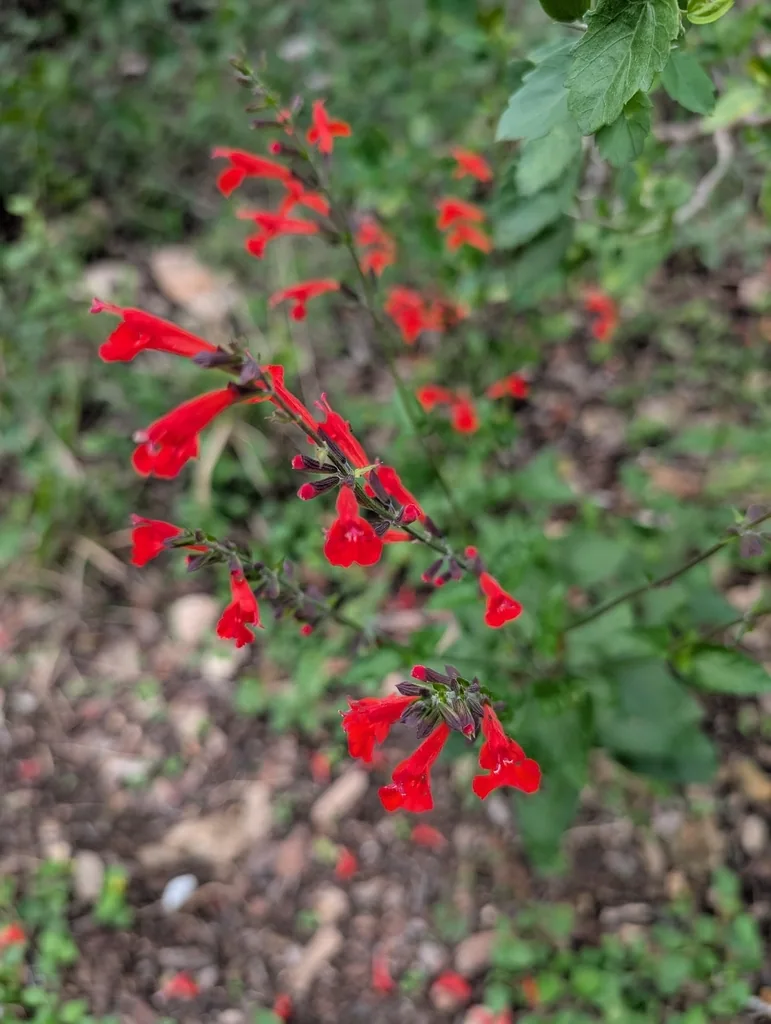
Small red, pink, or white flowers loved by hummingbirds. Best considered for an informal butterfly and pollinator border.
Read plant guide →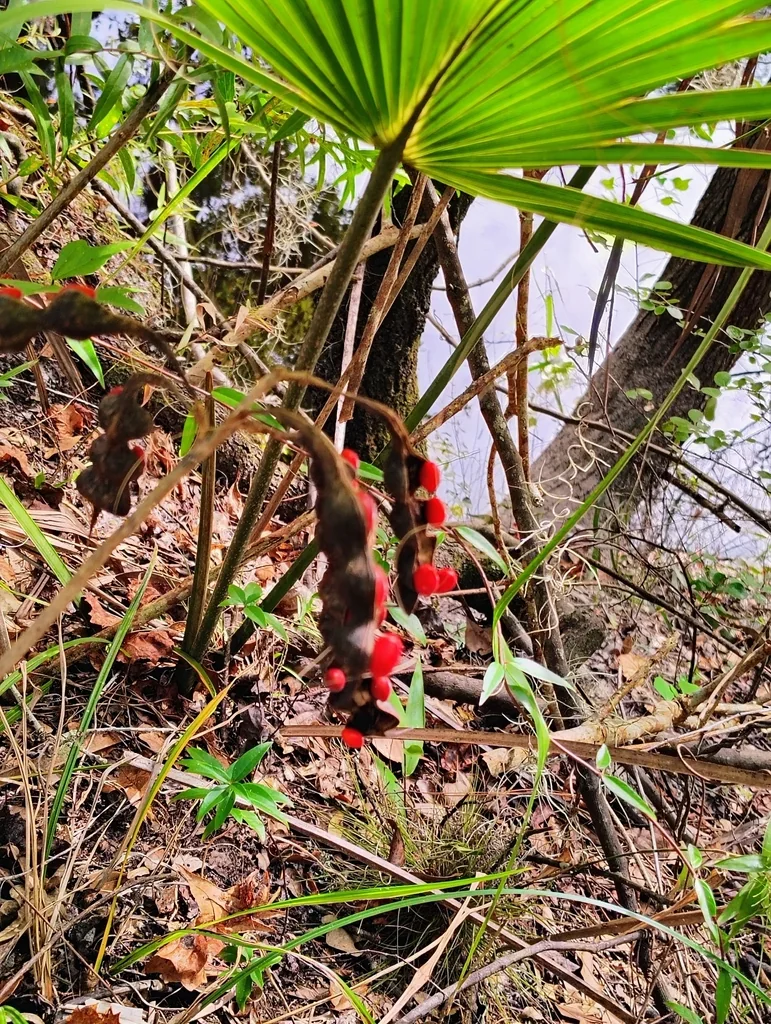
Showy scarlet flower spikes and unusual seedpods. Best considered for a wildlife-focused accent away from play areas.
Read plant guide →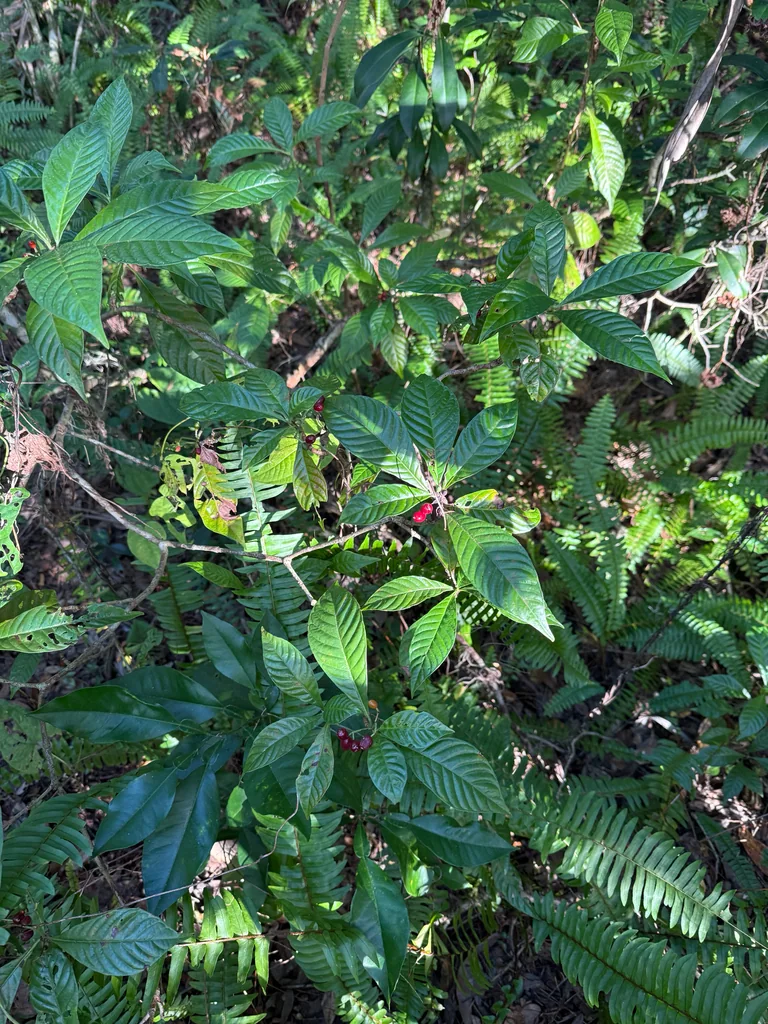
Glossy strongly veined leaves and small red berries. Best considered for a leafy, sheltered shade garden.
Read plant guide →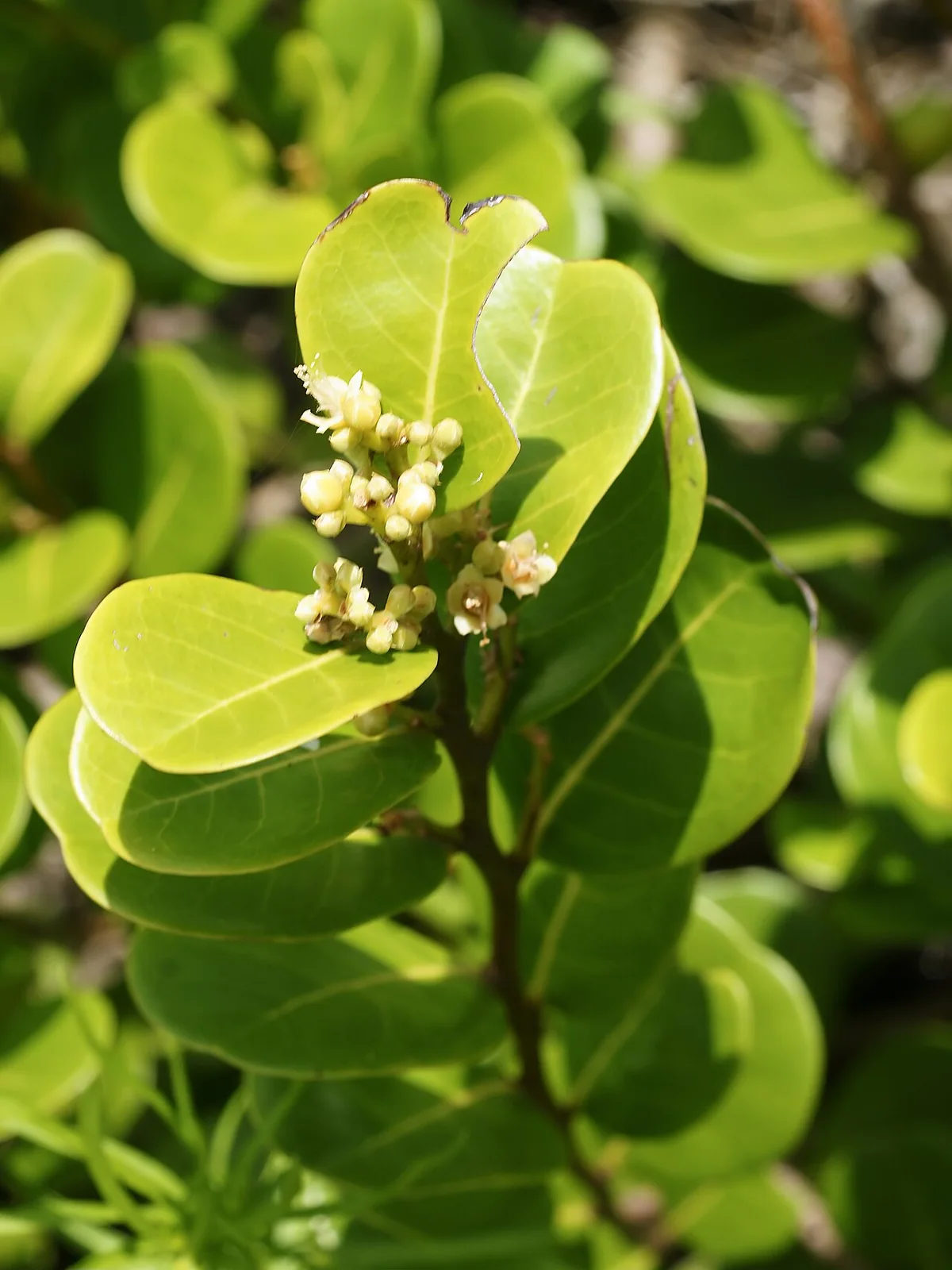
Dense evergreen foliage and edible fruit on some forms. Best considered for a rounded privacy hedge or foundation anchor.
Read plant guide →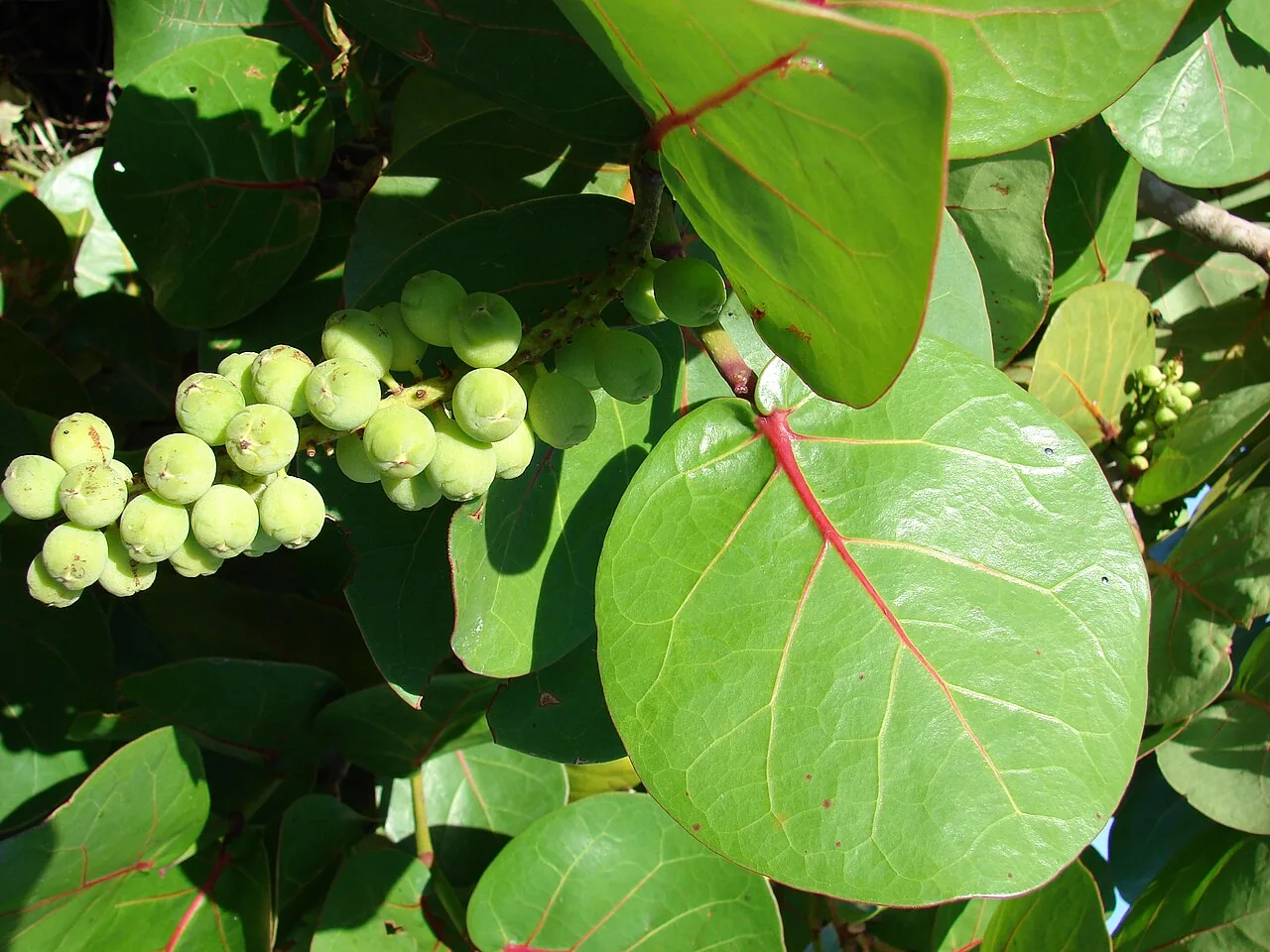
Huge rounded leaves and strong coastal character. Best considered for a roomy focal point or wind-tolerant landscape.
Read plant guide →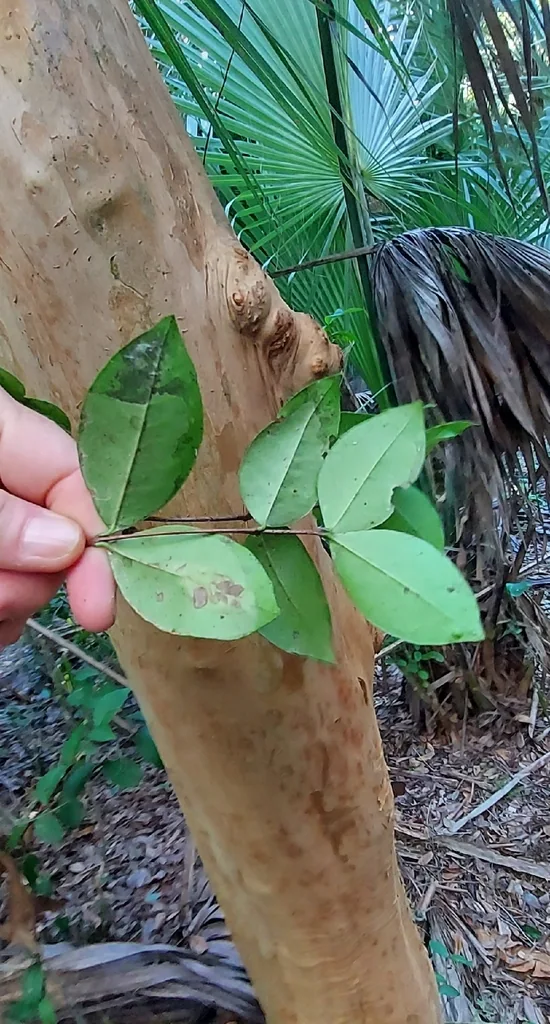
Small glossy leaves, fragrant flowers, and colorful fruit. Best considered for a refined native hedge or specimen shrub.
Read plant guide →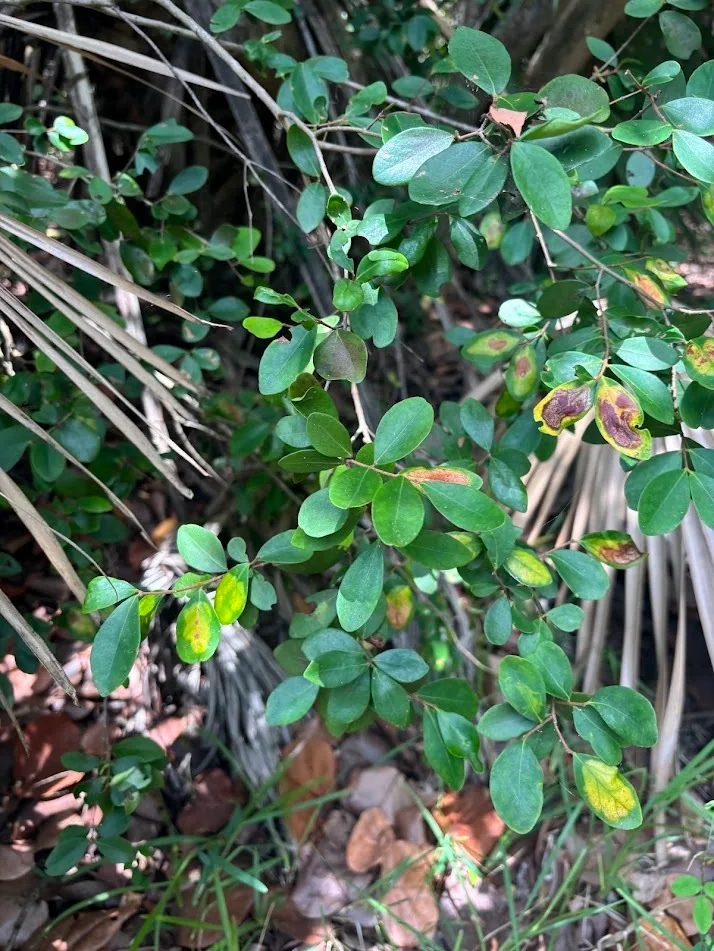
Compact evergreen foliage and small fruit. Best considered for a smaller native privacy border.
Read plant guide →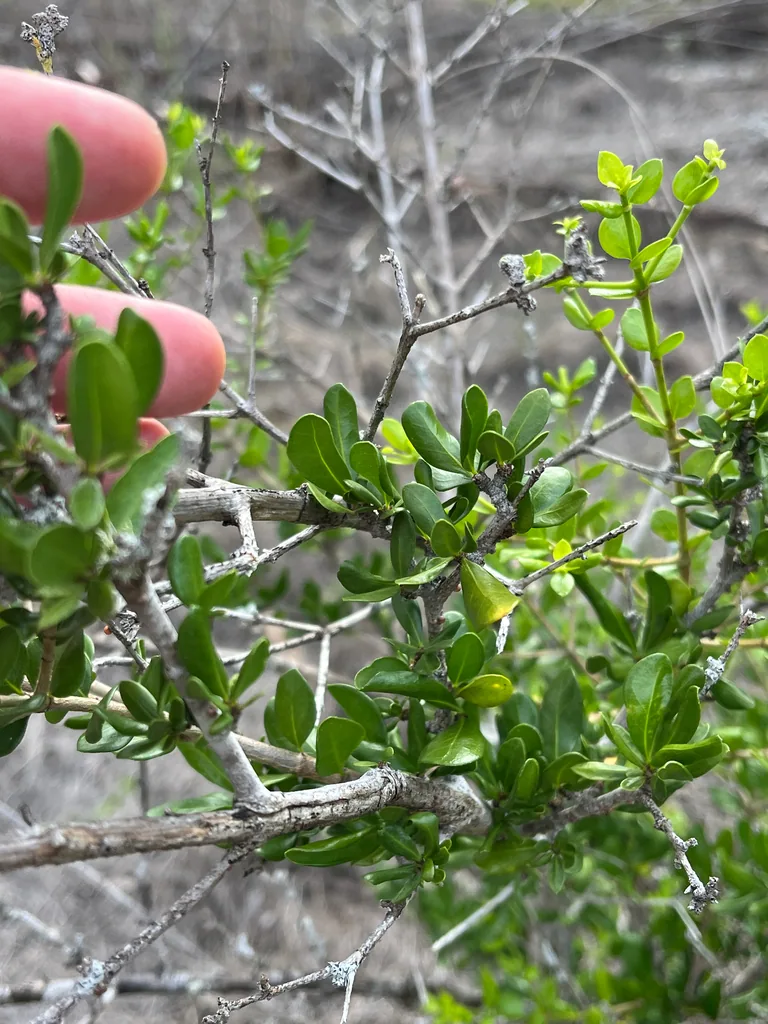
Small leaves, white flowers, and berries. Best considered for a hardy native wildlife planting.
Read plant guide →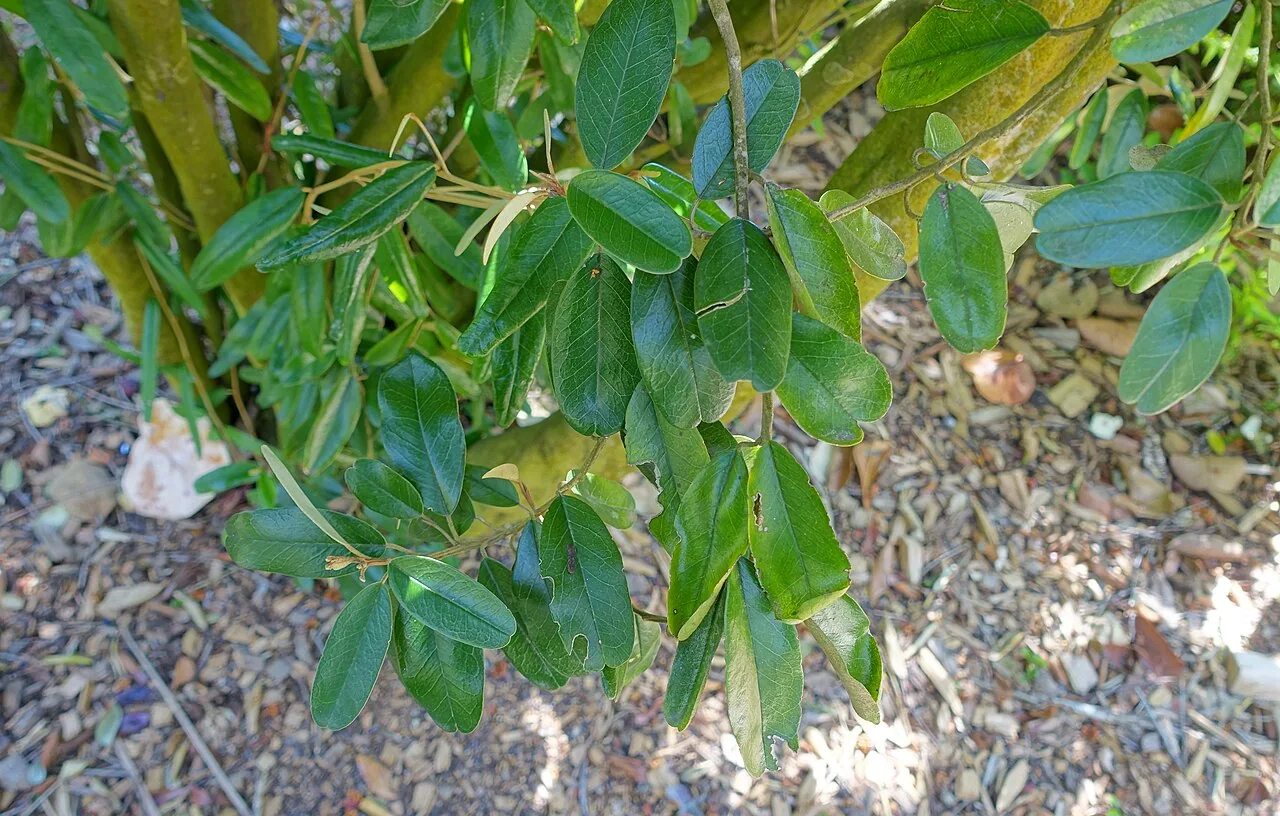
Interesting bronze new leaves and showy flowers. Best considered for an architectural small-tree or tall-shrub accent.
Read plant guide →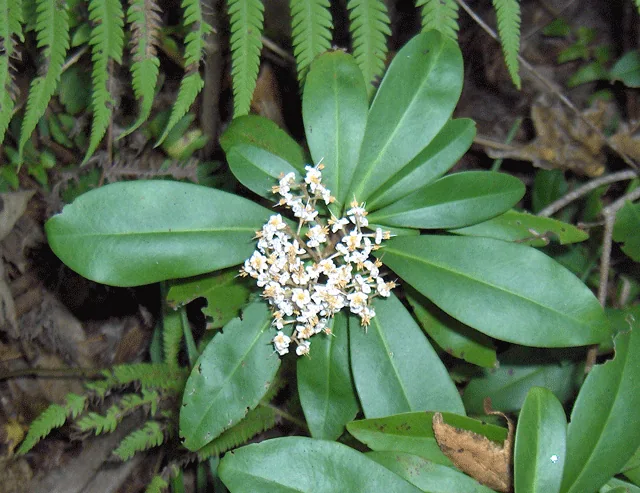
Dark evergreen leaves and red fruit that darkens. Best considered for a woodland-style native foundation bed.
Read plant guide →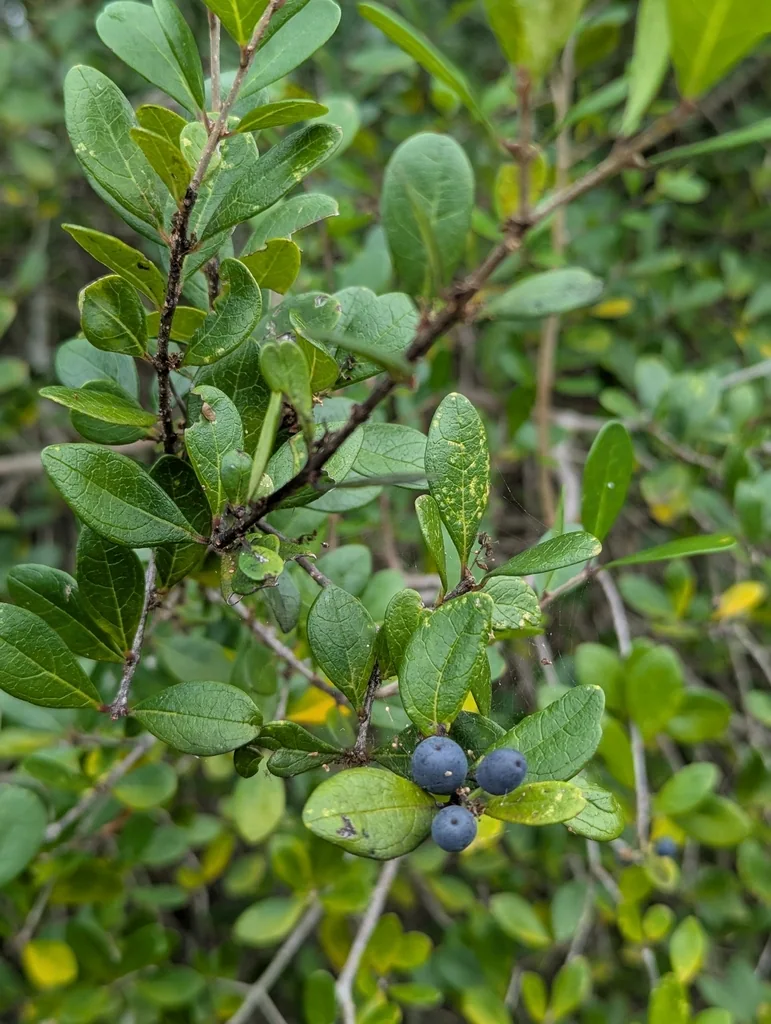
Fine foliage and adaptable hedge growth. Best considered for a native privacy screen or wildlife edge.
Read plant guide →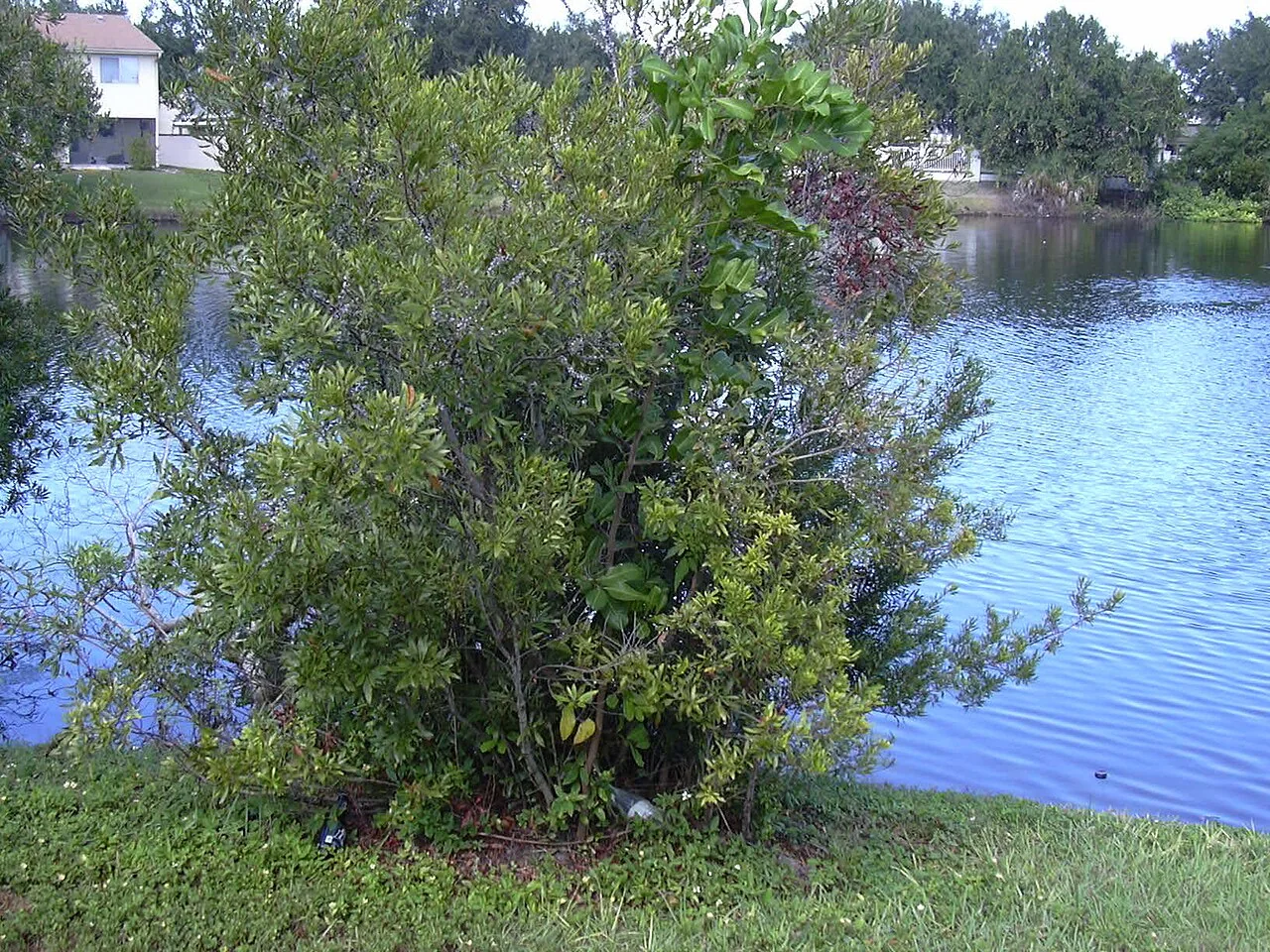
Aromatic evergreen foliage and bird-friendly berries. Best considered for a loose native screen with room to grow.
Read plant guide →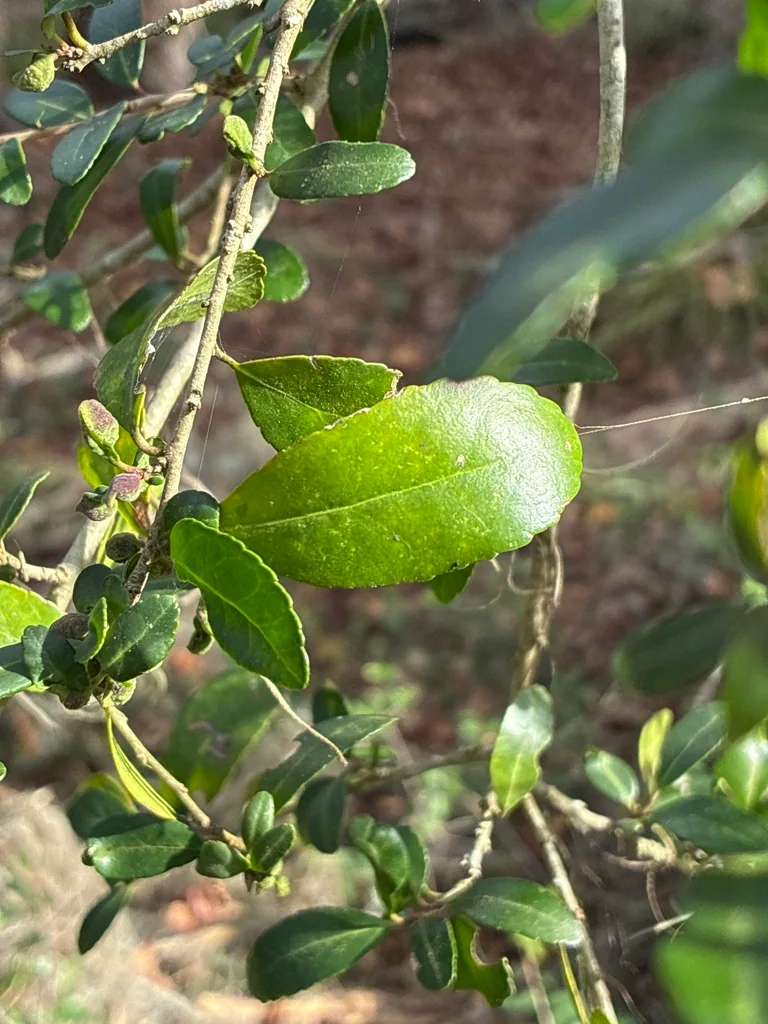
Dense small leaves and red berries on female plants. Best considered for a formal native hedge or shaped specimen.
Read plant guide →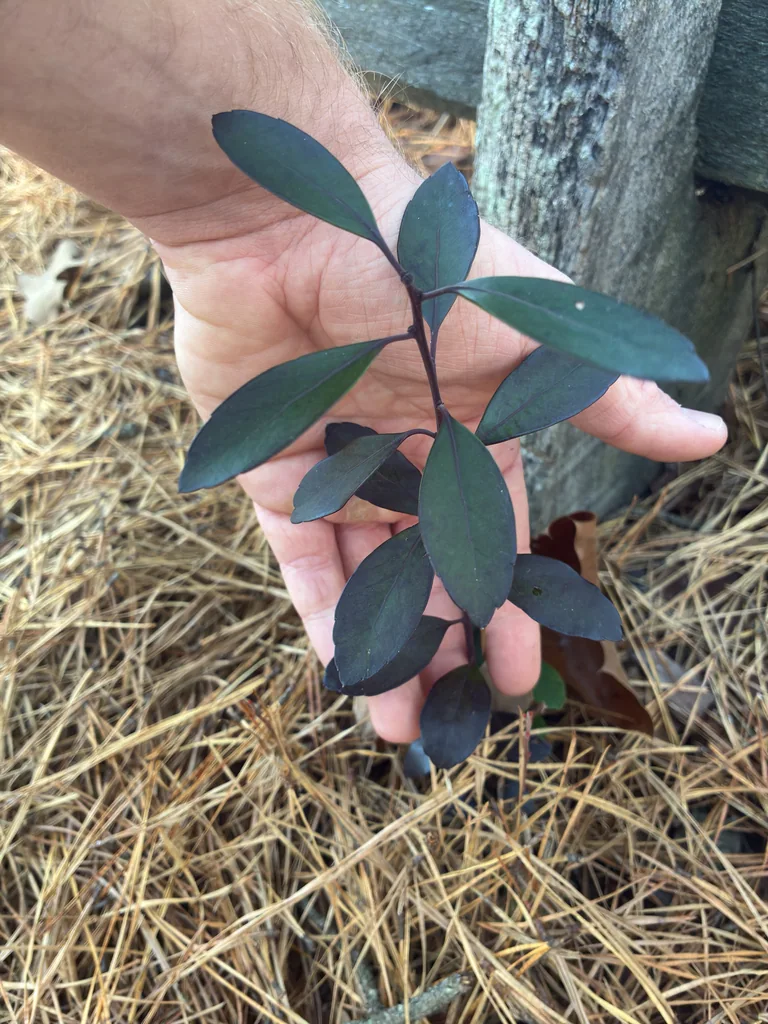
Dense evergreen foliage for a naturalistic hedge. Best considered for a moist, acidic part of the yard.
Read plant guide →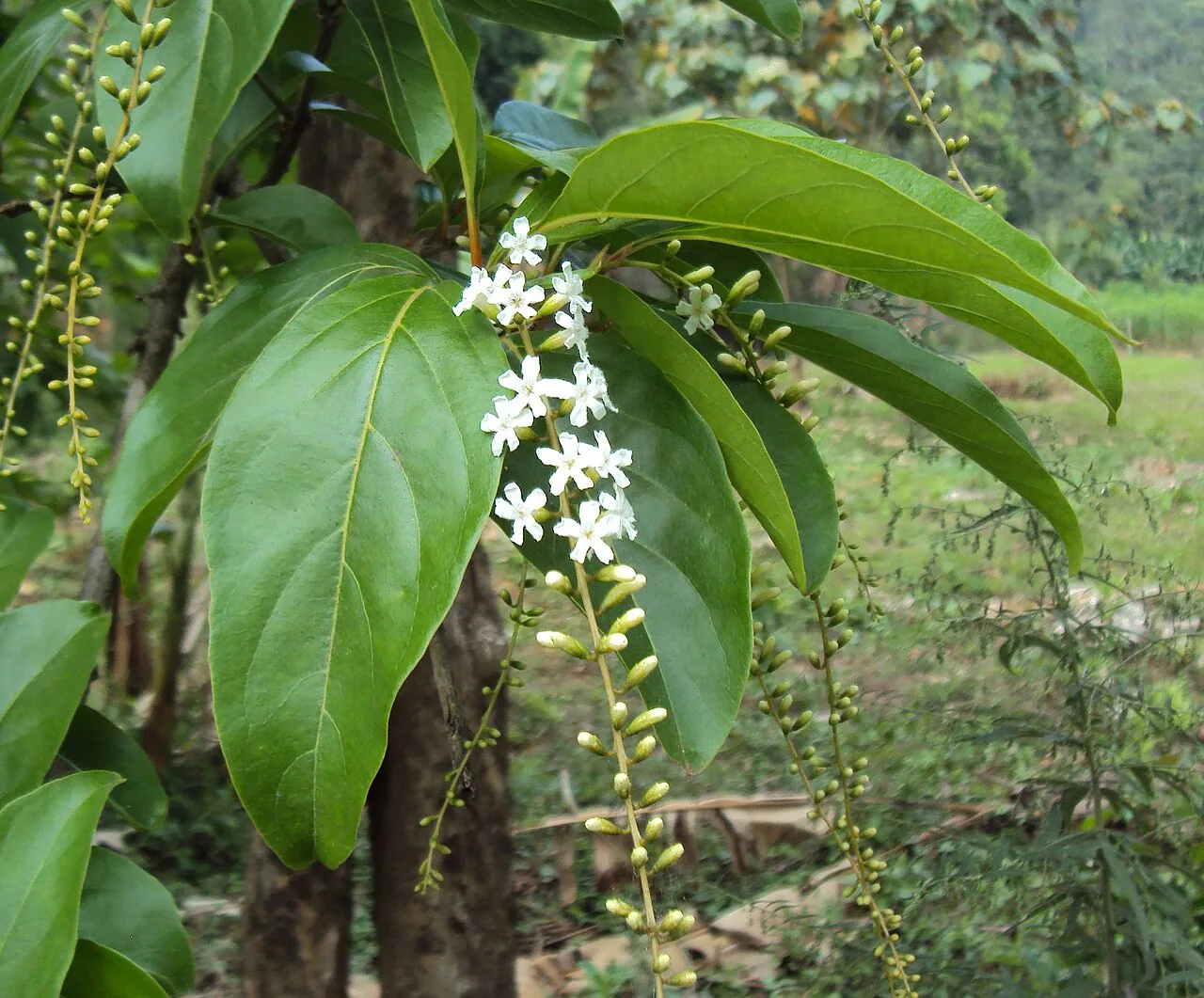
Shiny leaves, white flowers, and orange fruit. Best considered for a tall screen or small-tree accent.
Read plant guide →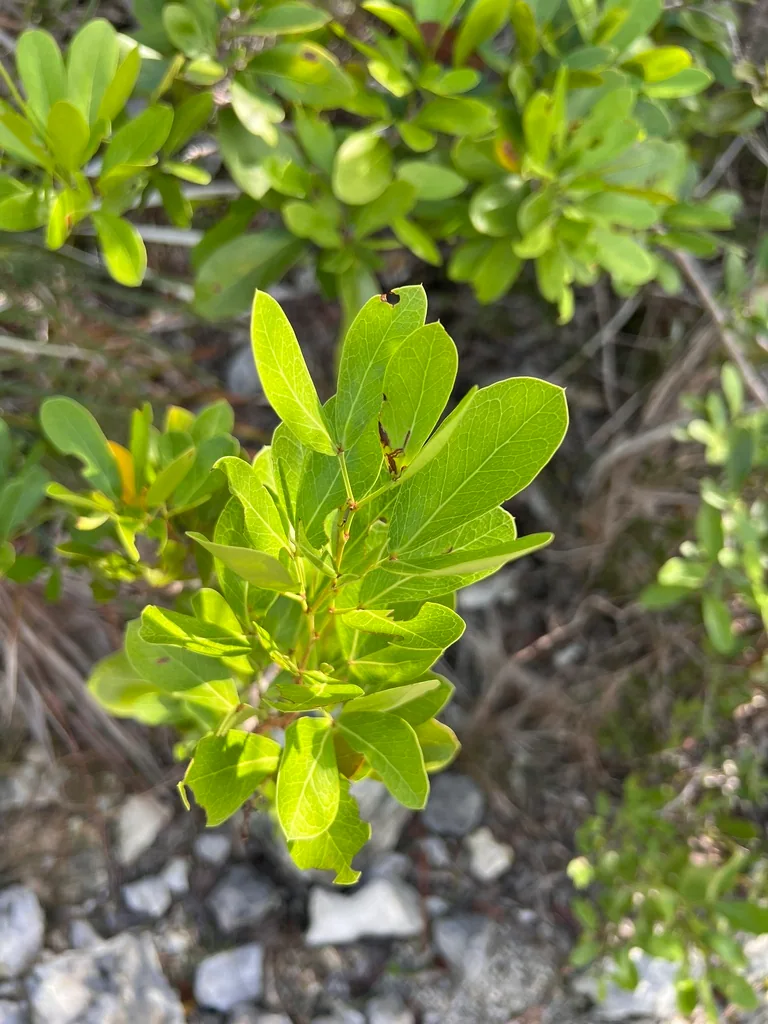
Fine foliage and curling seedpods. Best considered for a native coastal-style specimen grouping.
Read plant guide →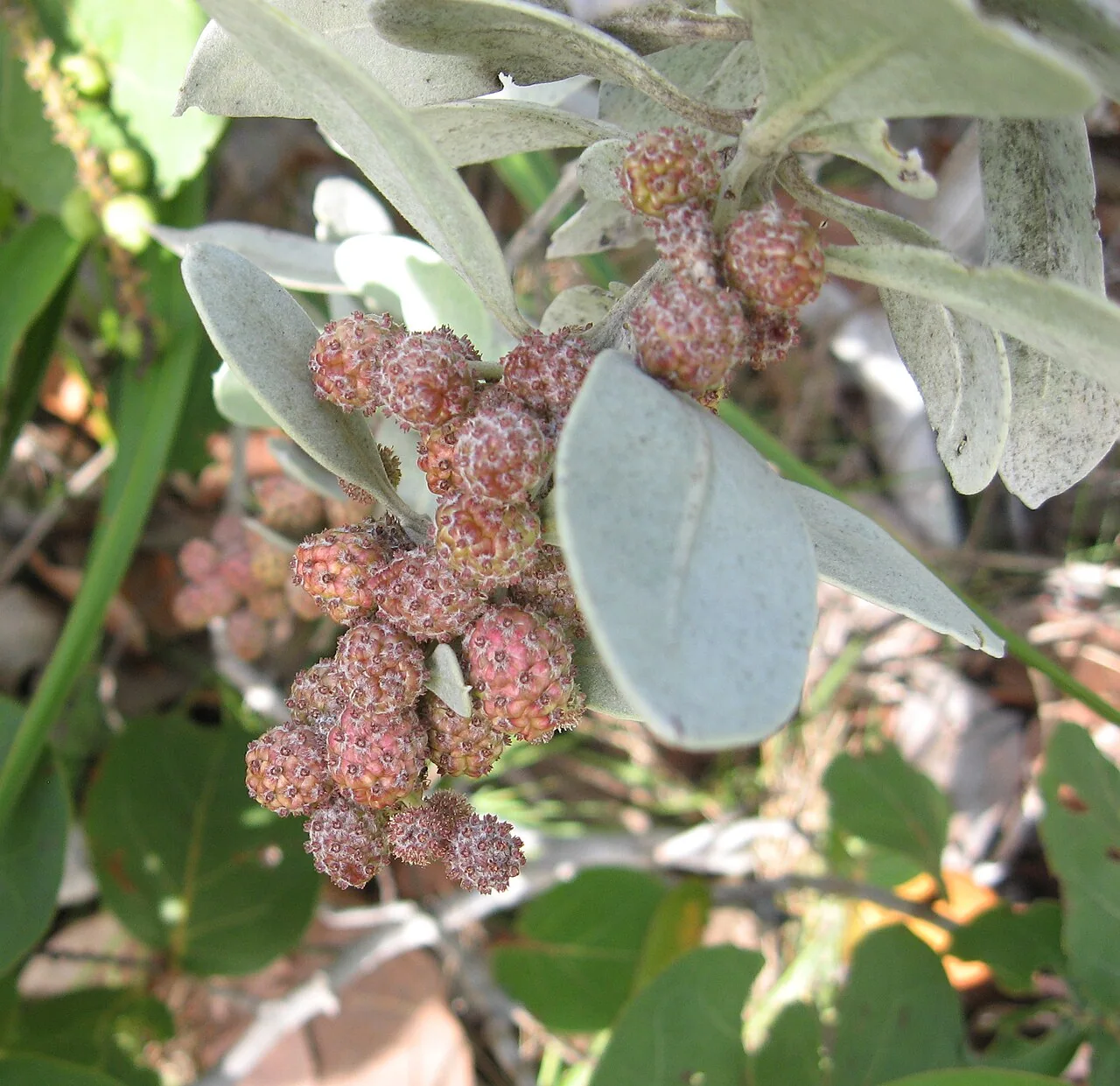
Silvery foliage on the ornamental silver-leaf form. Best considered for a light-colored focal point in a sunny bed.
Read plant guide →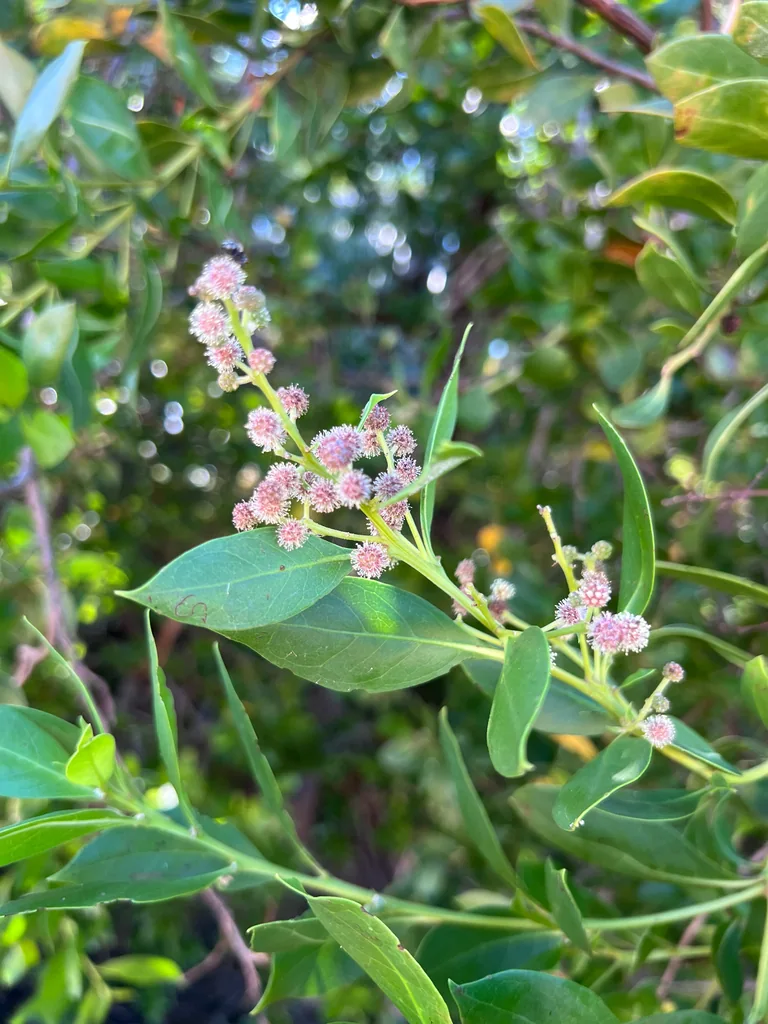
Tough glossy green foliage and coastal character. Best considered for a sunny hedge or screening border.
Read plant guide →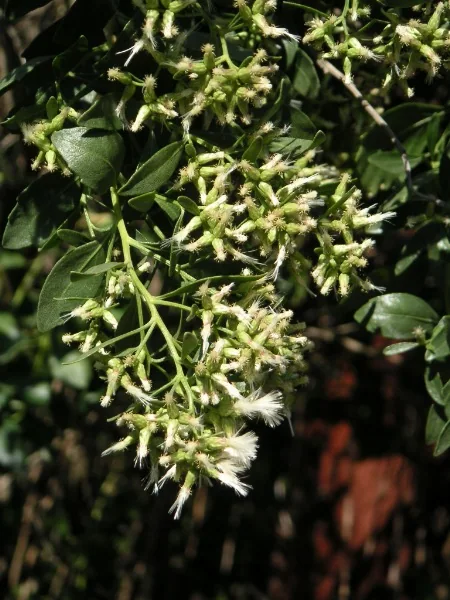
Late-season white flower heads valued by insects. Best considered for a naturalistic buffer or wildlife garden.
Read plant guide →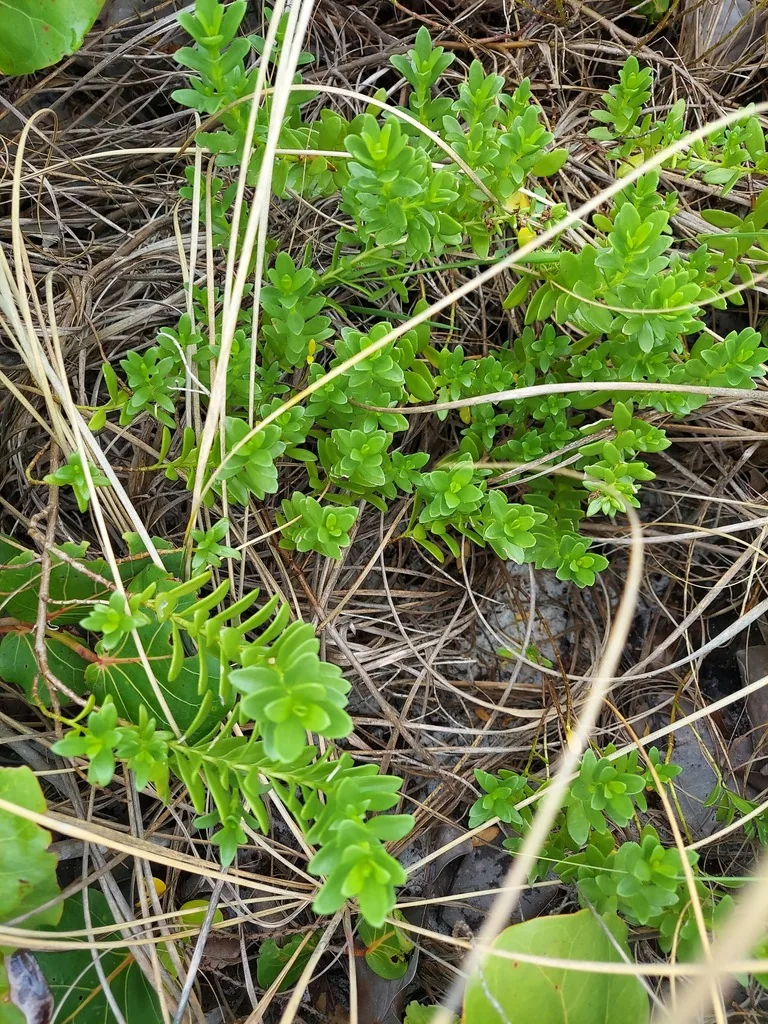
Fleshy foliage that helps stabilize coastal sand. Best considered for a sandy dune-inspired demonstration bed.
Read plant guide →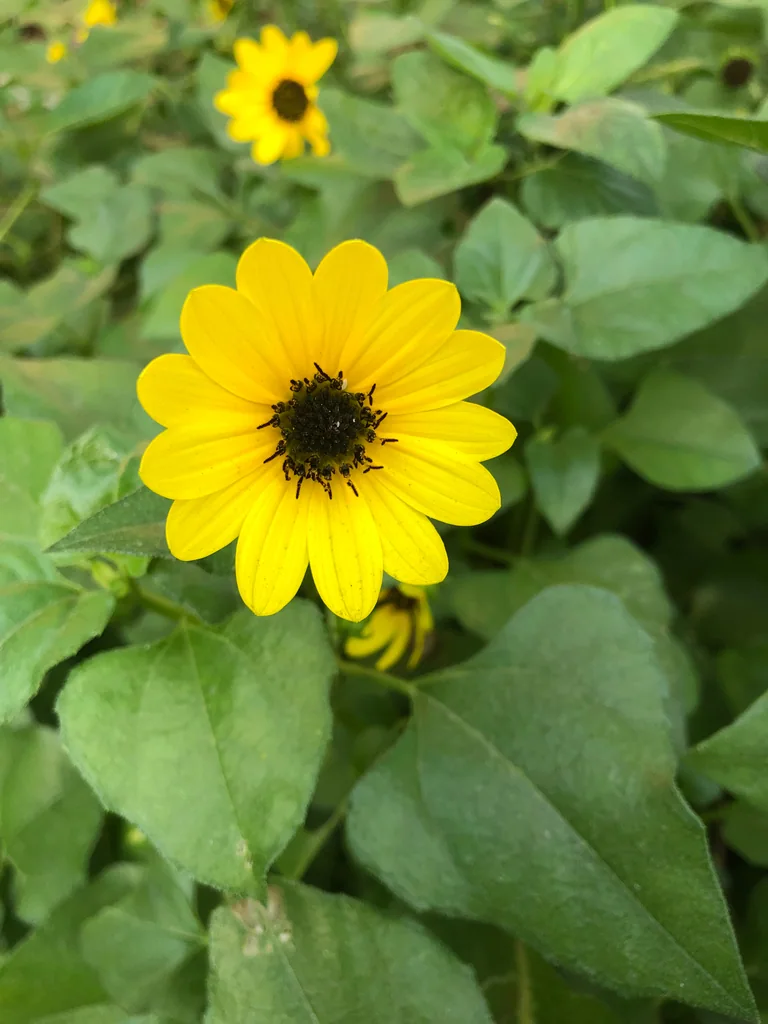
Sunny yellow daisy-like flowers and sprawling growth. Best considered for a broad front-yard flower drift.
Read plant guide →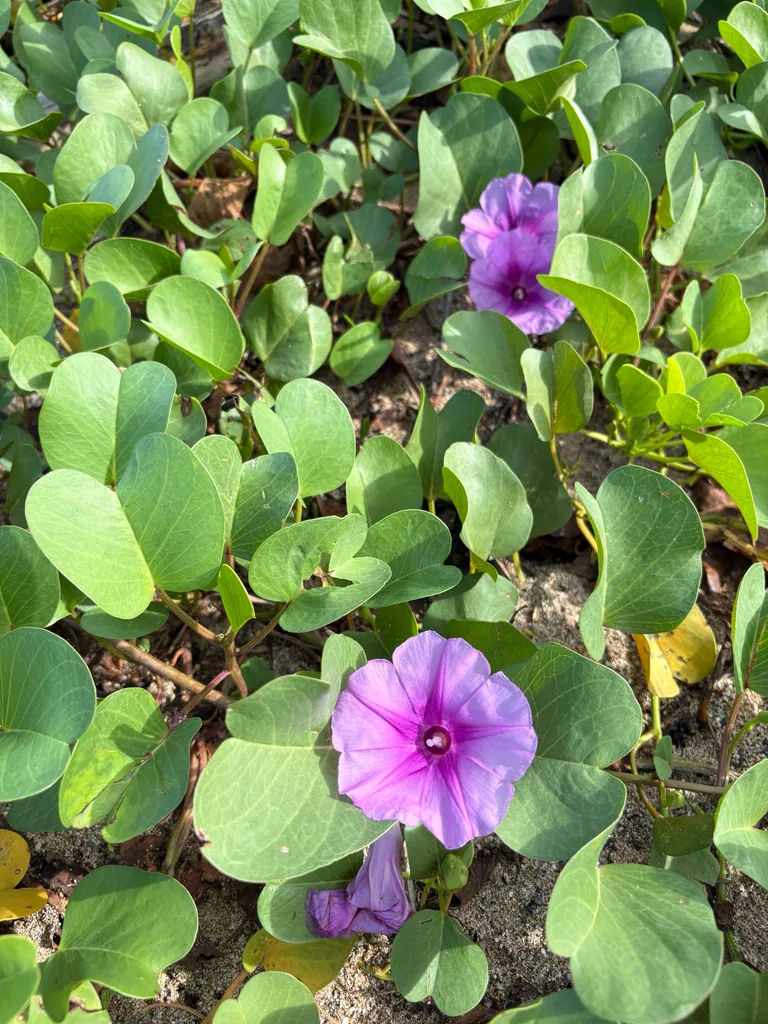
Purple-pink flowers on sprawling beach vines. Best considered for a roomy sandy coastal-themed area.
Read plant guide →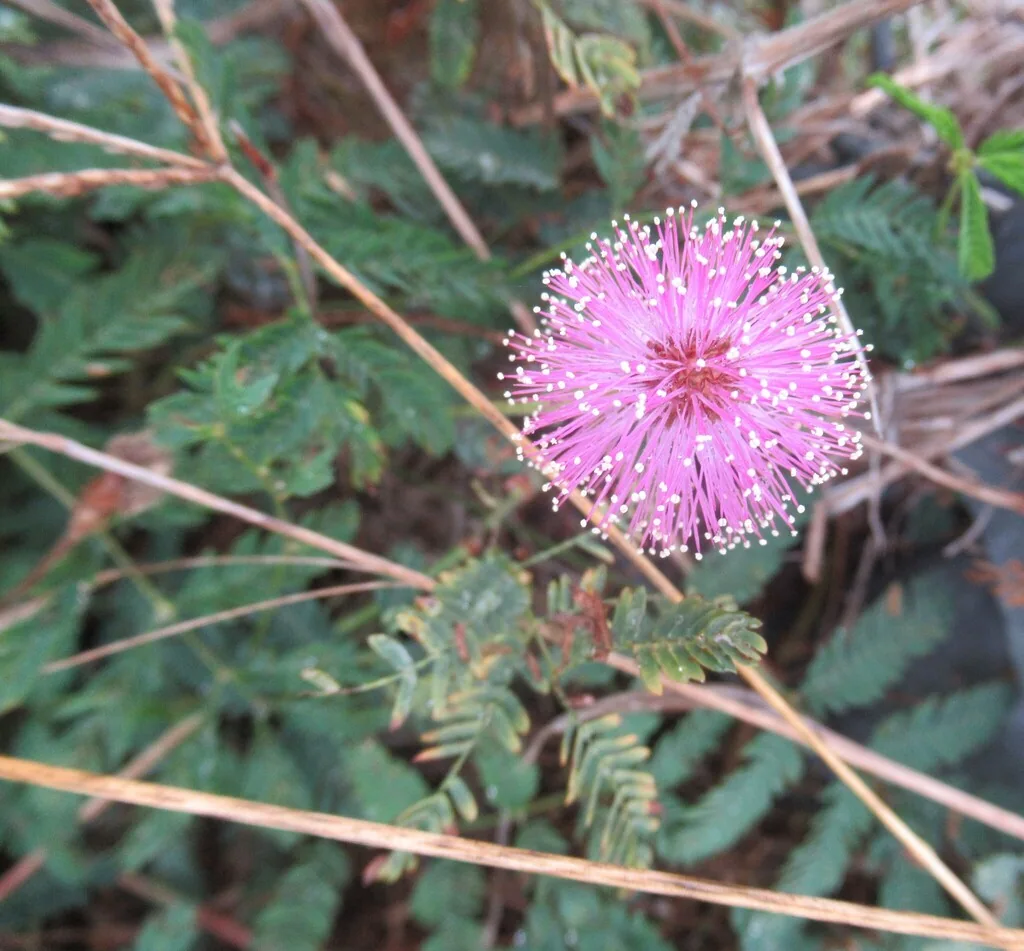
Pink powder-puff blooms above a low spreading mat. Best considered for a lawn-alternative patch where foot traffic is light.
Read plant guide →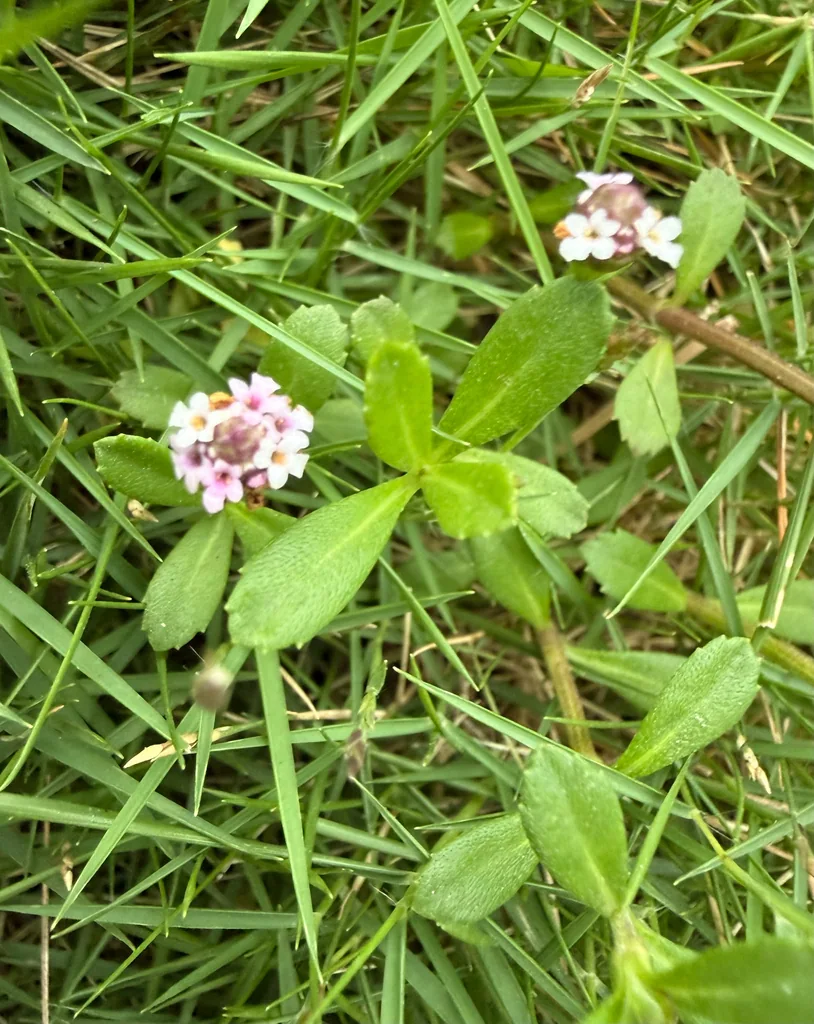
Tiny flower clusters used by butterflies and pollinators. Best considered for a low-growing pollinator lawn alternative.
Read plant guide →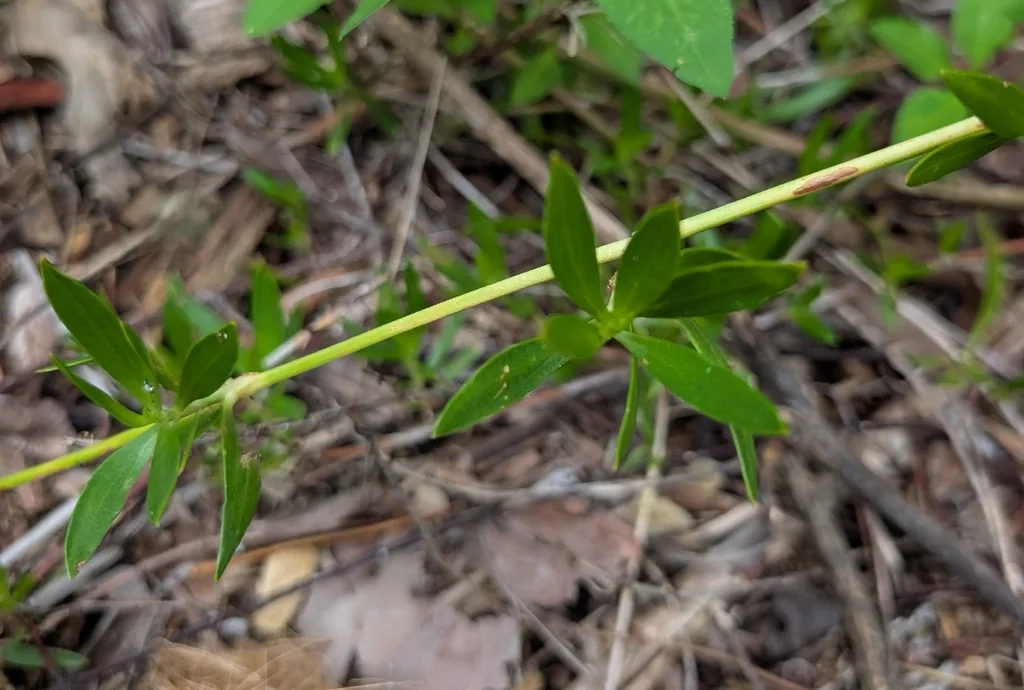
Small leaves on spreading stems with high salt tolerance. Best considered for a coastal-inspired groundcover or sunny sandy edge.
Read plant guide →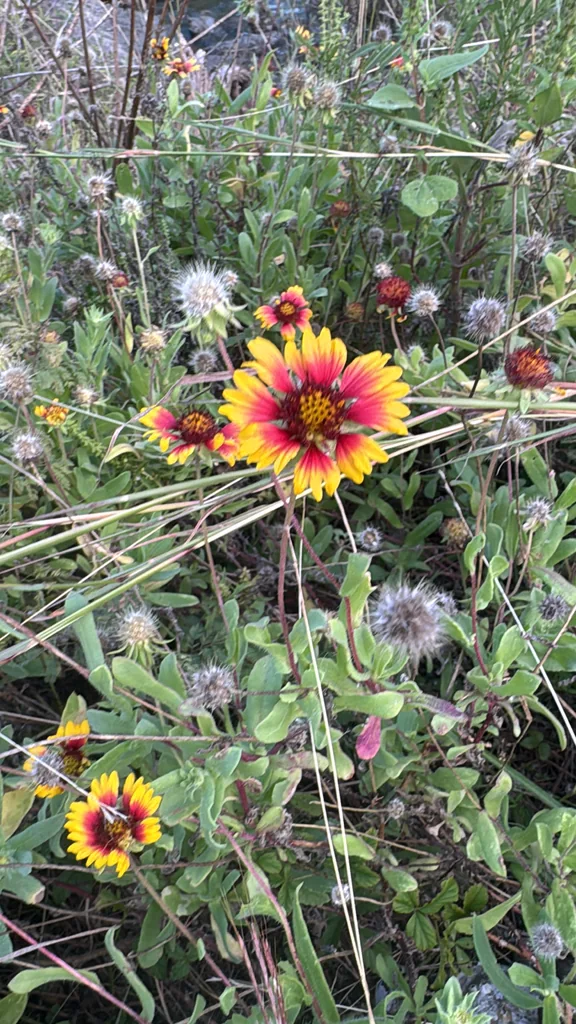
Red-and-yellow daisy-like flowers. Best considered for a bright flowering bed in sandy soil.
Read plant guide →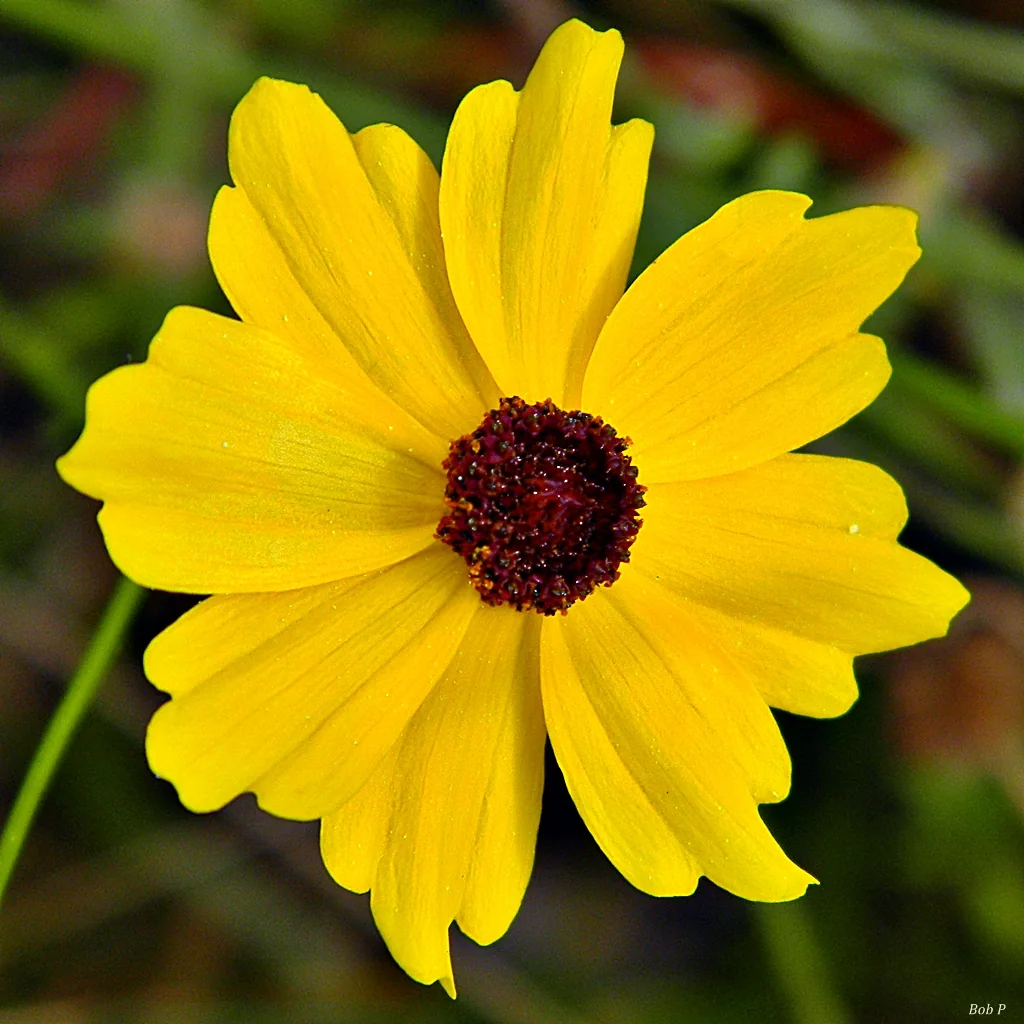
Fine yellow flowers on airy stems. Best considered for a cheerful native wildflower pocket.
Read plant guide →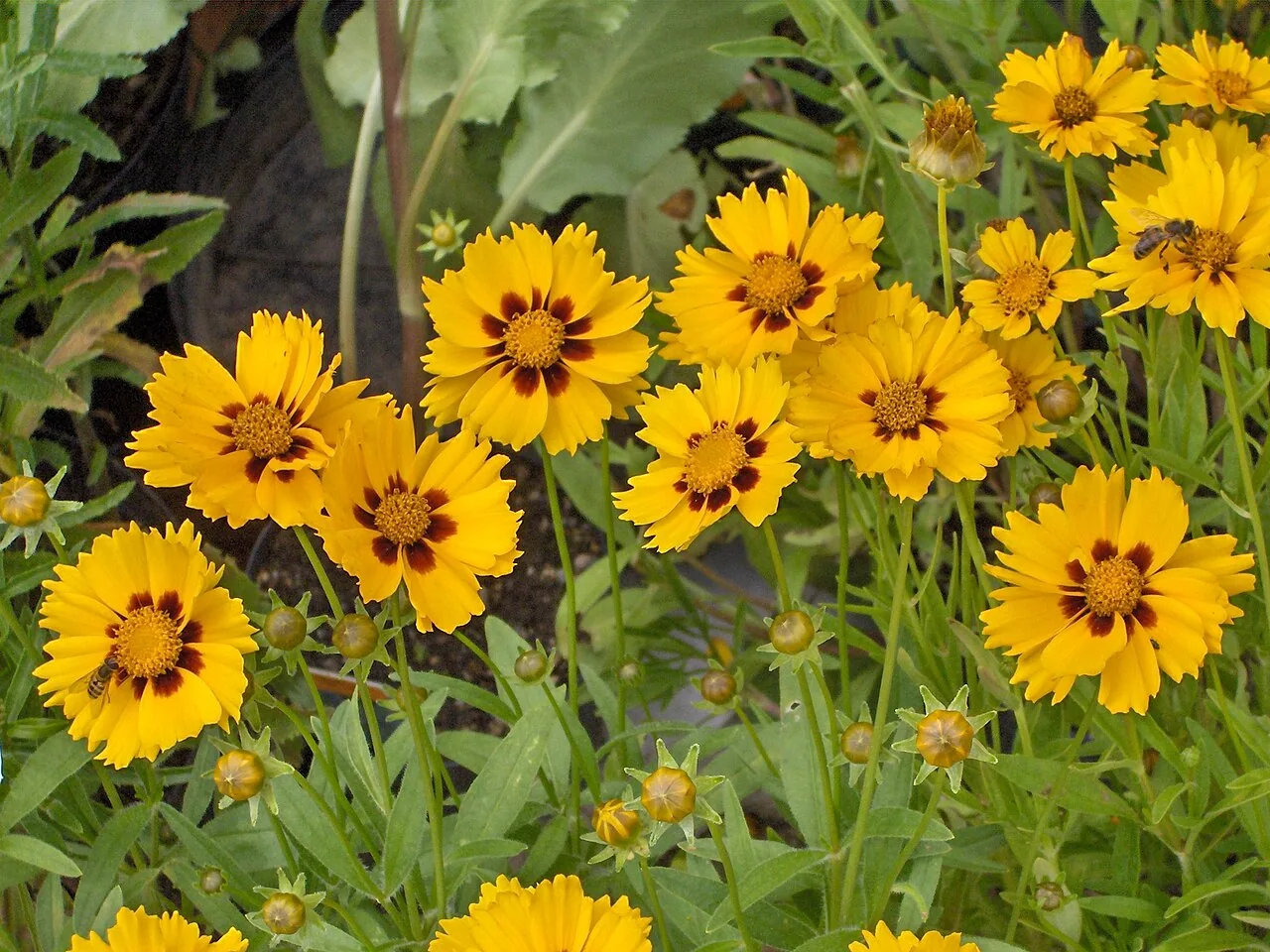
Golden daisy flowers and slender leaves. Best considered for a loose naturalistic perennial grouping.
Read plant guide →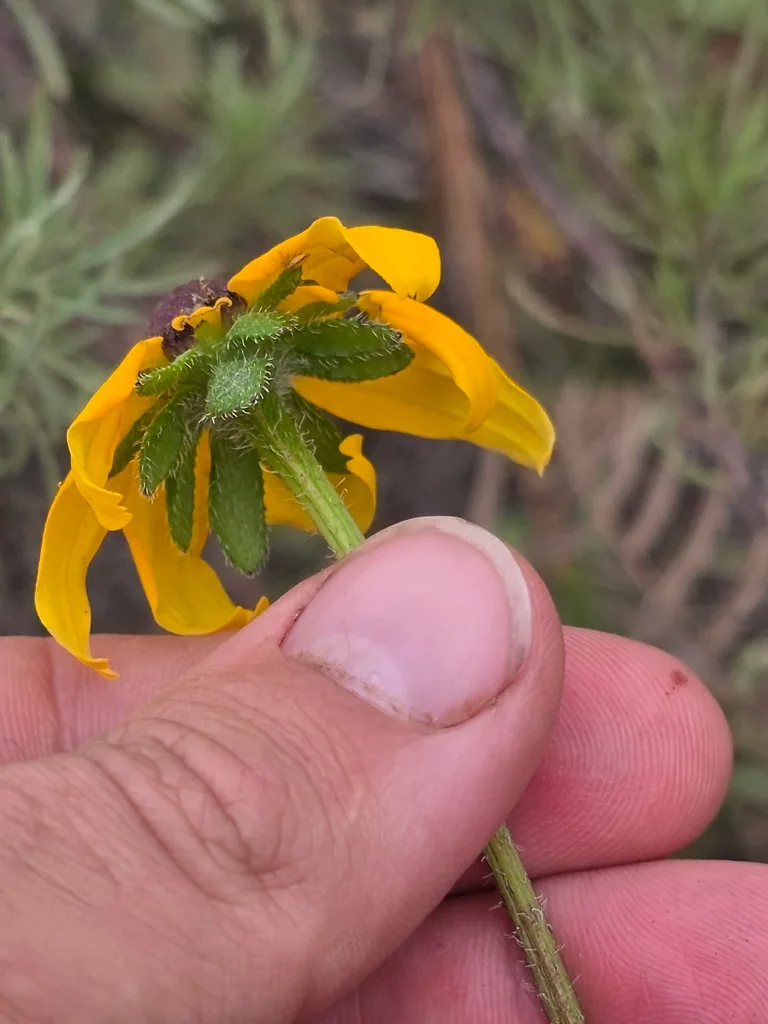
Yellow petals and dark central cones. Best considered for a seasonal native flower display.
Read plant guide →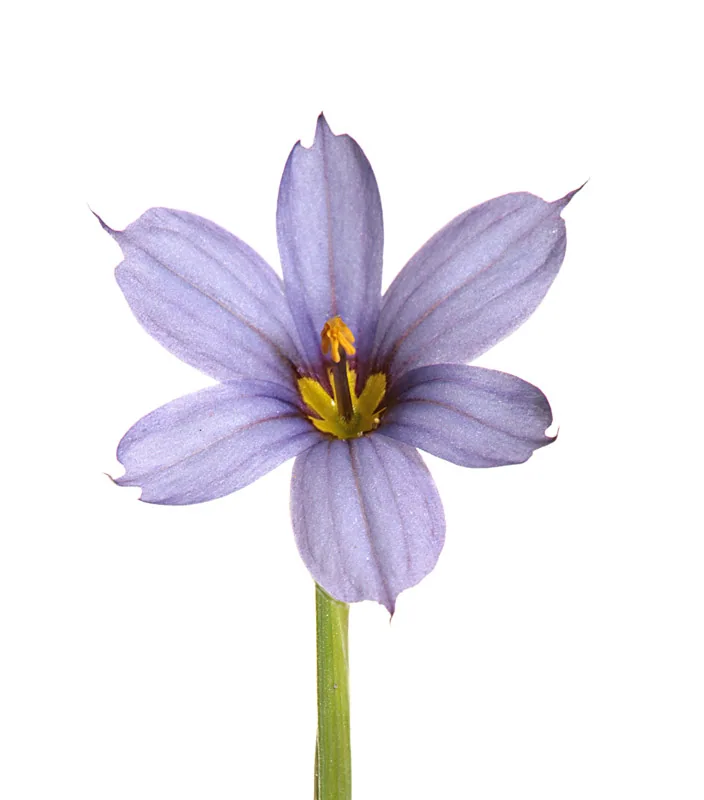
Delicate blue-violet flowers above grasslike leaves. Best considered for the front edge of a moderately moist garden.
Read plant guide →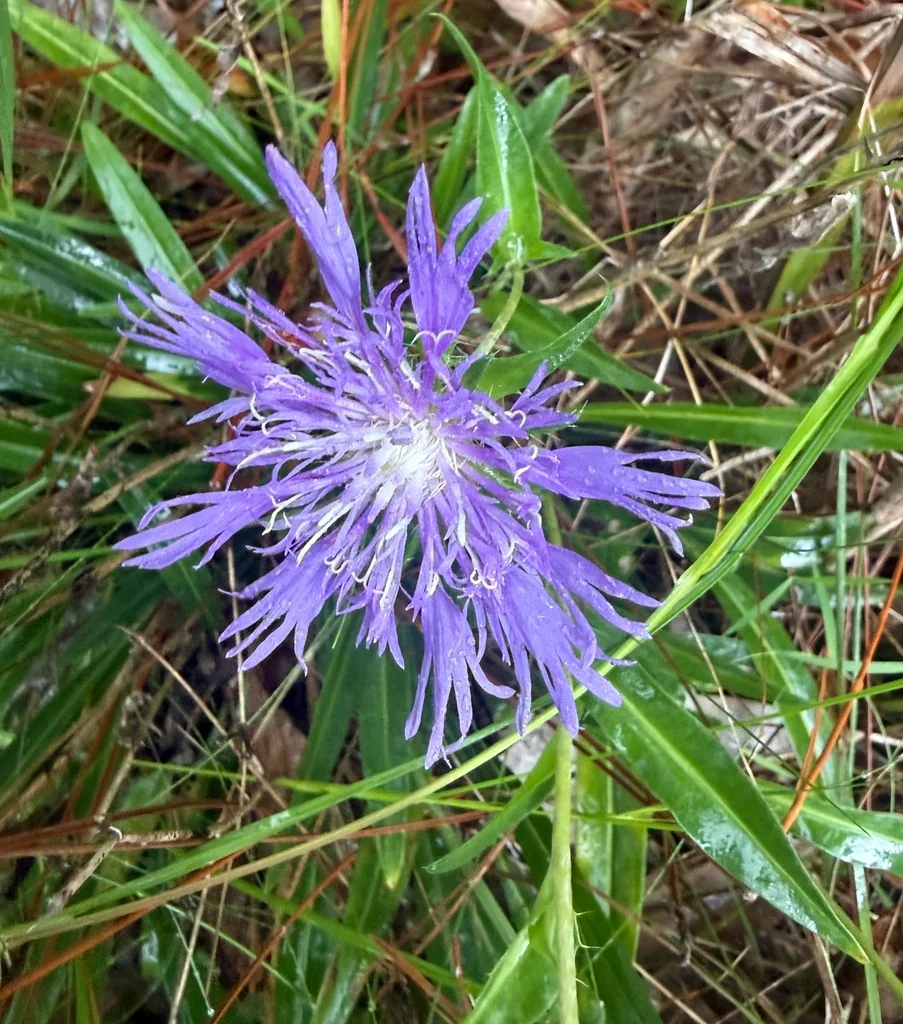
Large lavender-blue fringed flowers. Best considered for a sunny-to-light-shade perennial border.
Read plant guide →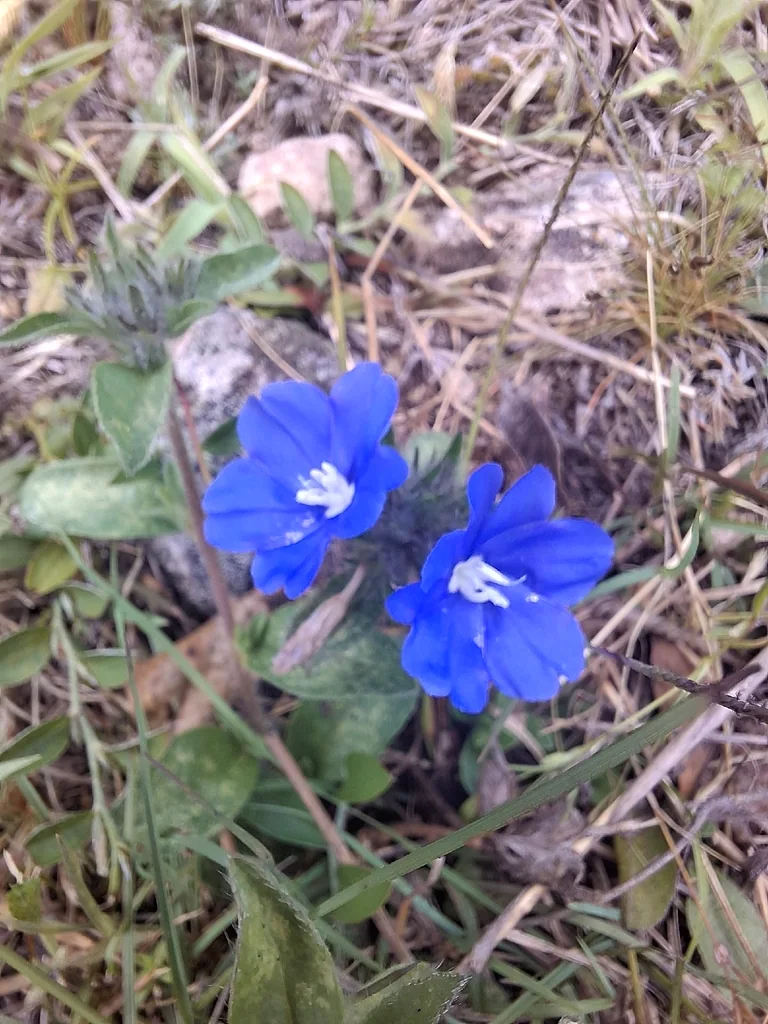
Clear blue flowers over a low silver-green mat. Best considered for a bright border or hanging planter.
Read plant guide →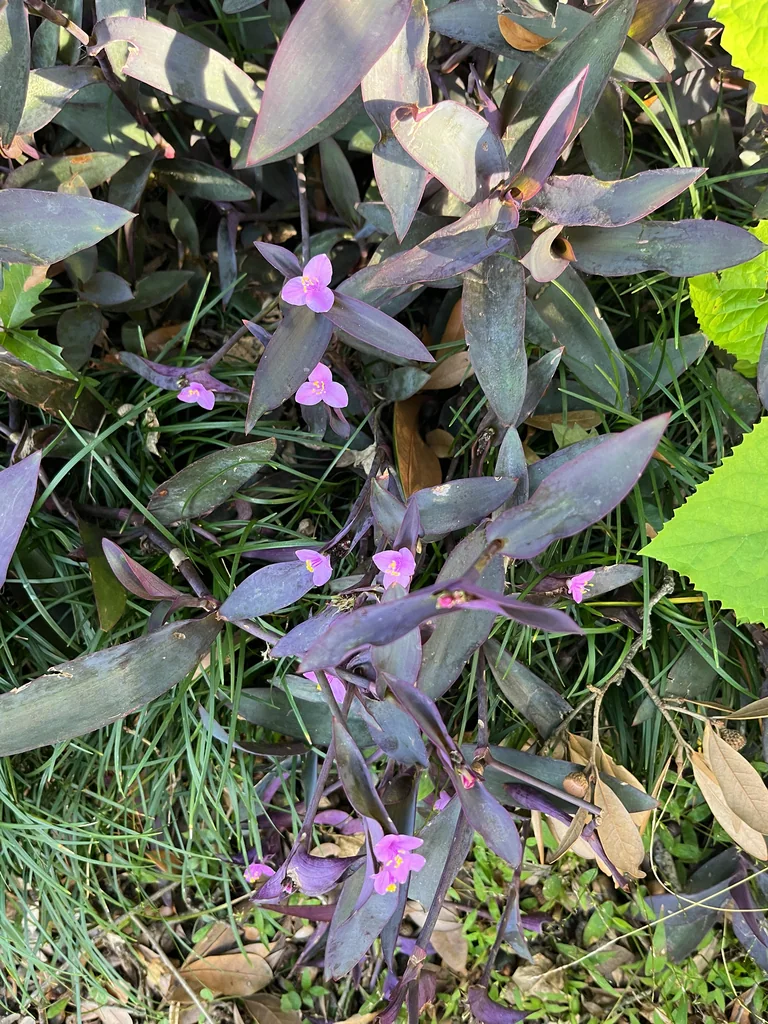
Deep purple trailing foliage and small pink blooms. Best considered for a contained accent strip or planter.
Read plant guide →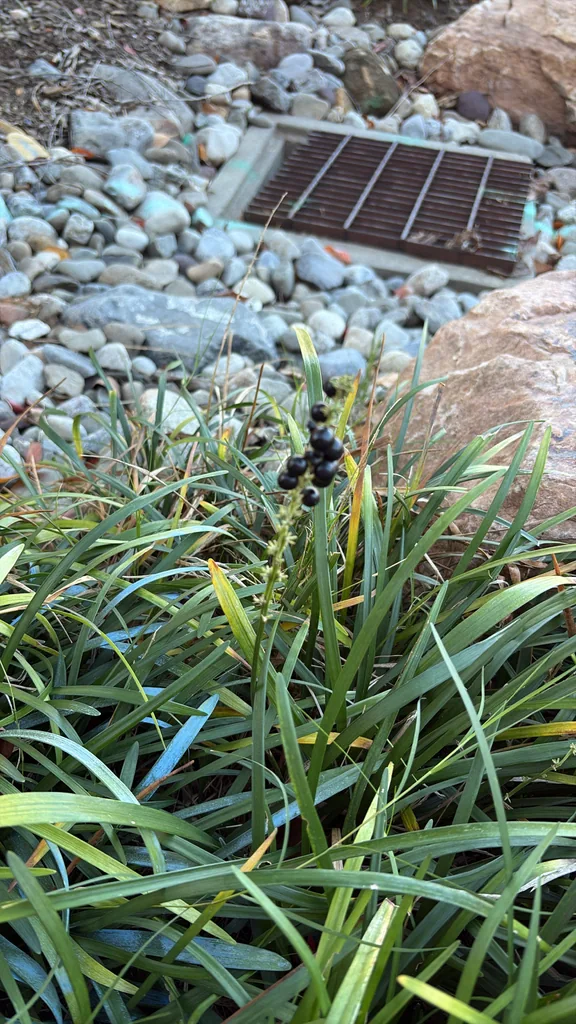
Tidy straplike leaves and occasional purple flower spikes. Best considered for a neat walkway border outside standing water.
Read plant guide →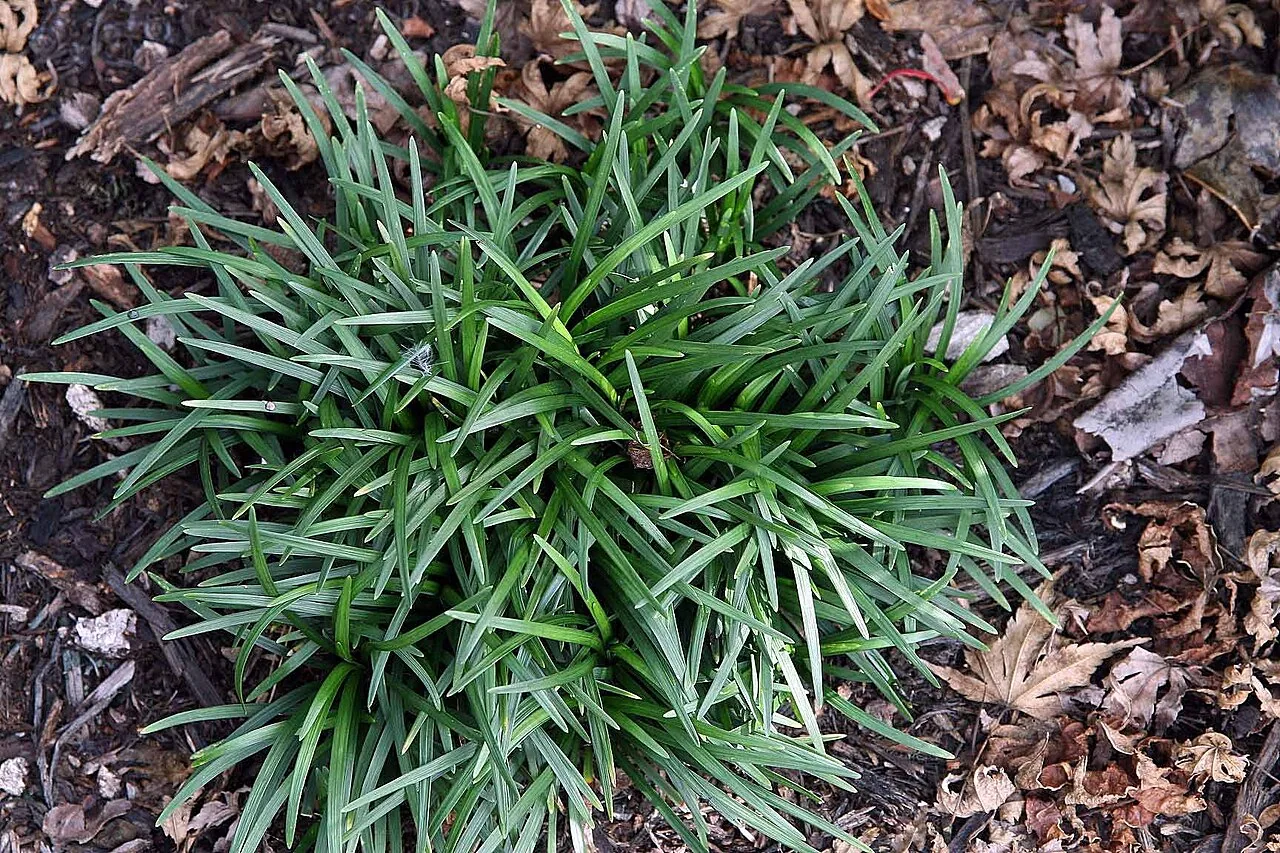
Short narrow dark-green evergreen leaves. Best considered for a shaded border between pavers and shrubs.
Read plant guide →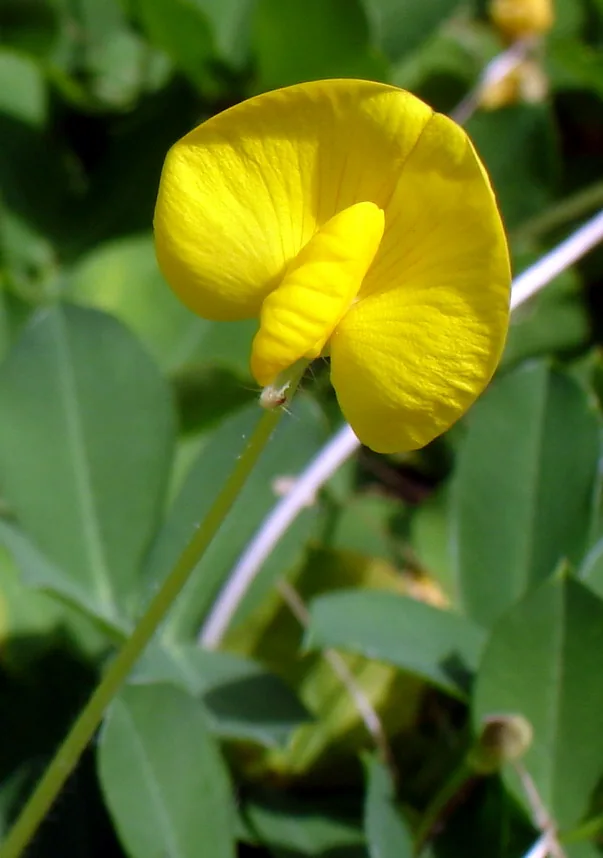
Yellow pea-like flowers above dense spreading foliage. Best considered for a sunny alternative to some turf or mulch areas.
Read plant guide →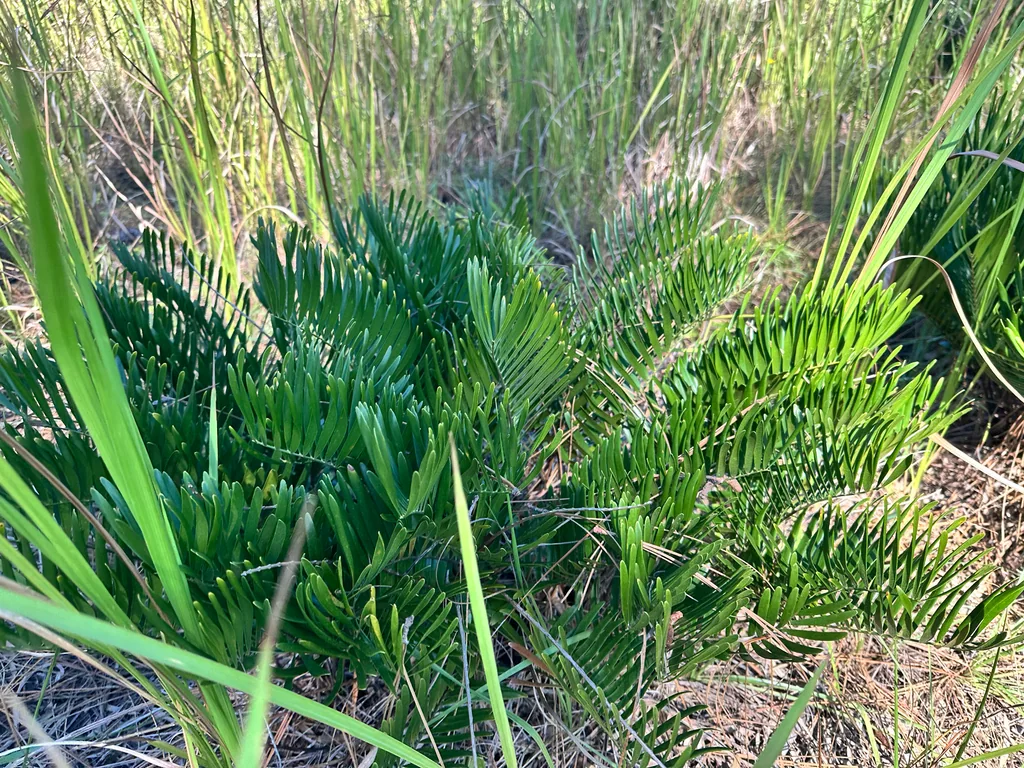
Glossy fernlike leaves on a compact native cycad. Best considered for a specimen mound or grouped native foundation planting.
Read plant guide →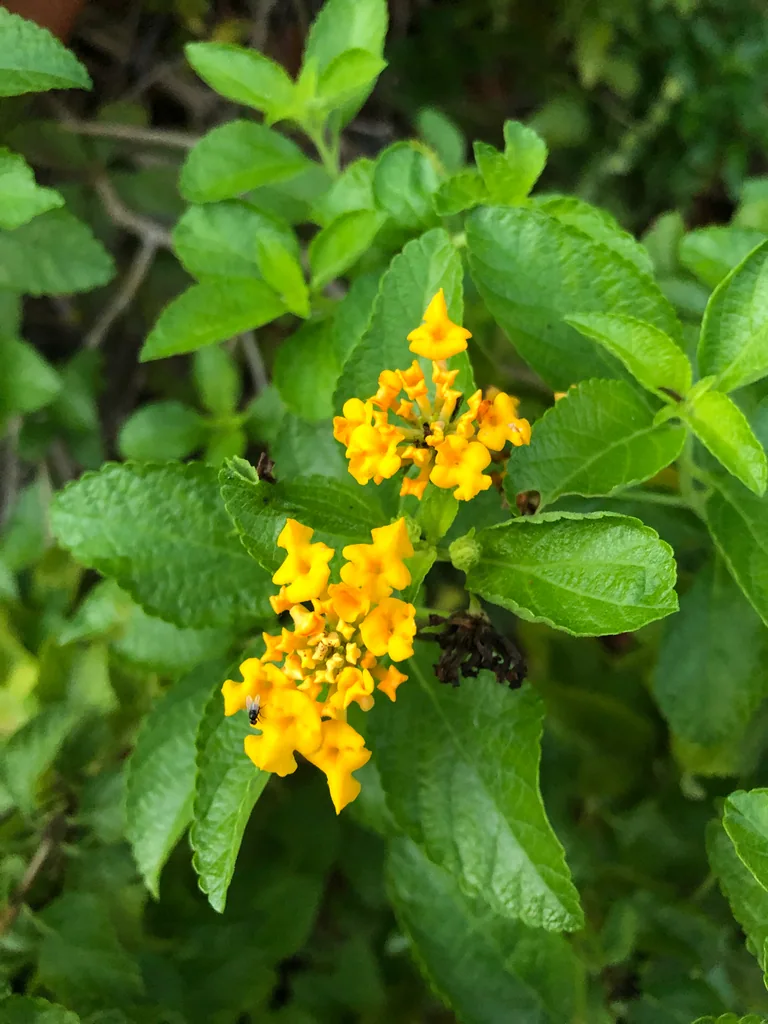
Yellow flowers on a native shrubby groundcover. Best considered for a sunny butterfly-friendly native bed.
Read plant guide →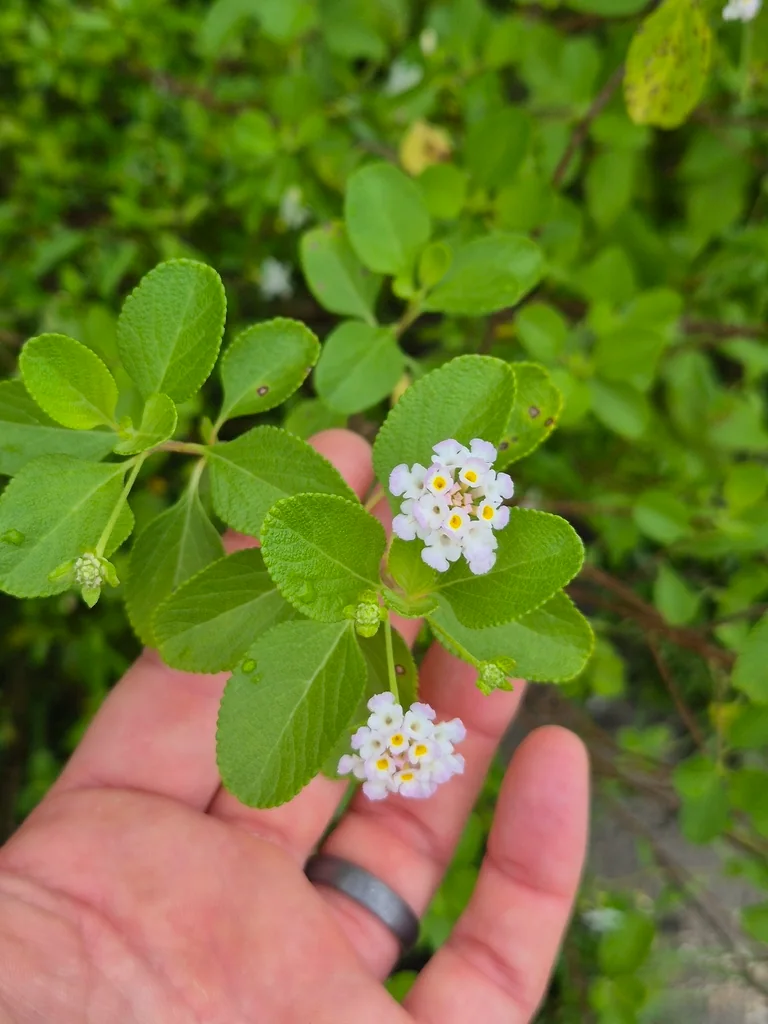
Pale clusters of aromatic small flowers. Best considered for a sunny native pollinator garden.
Read plant guide →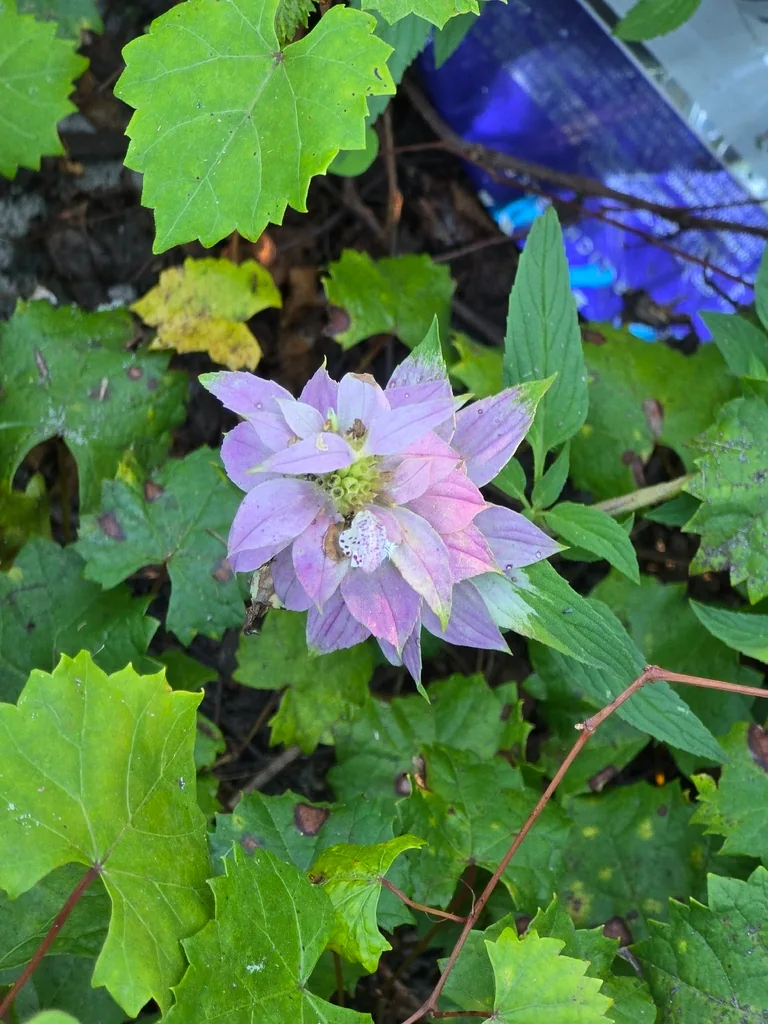
Whorled pale bracts and spotted tubular flowers. Best considered for a sandy native wildflower bed.
Read plant guide →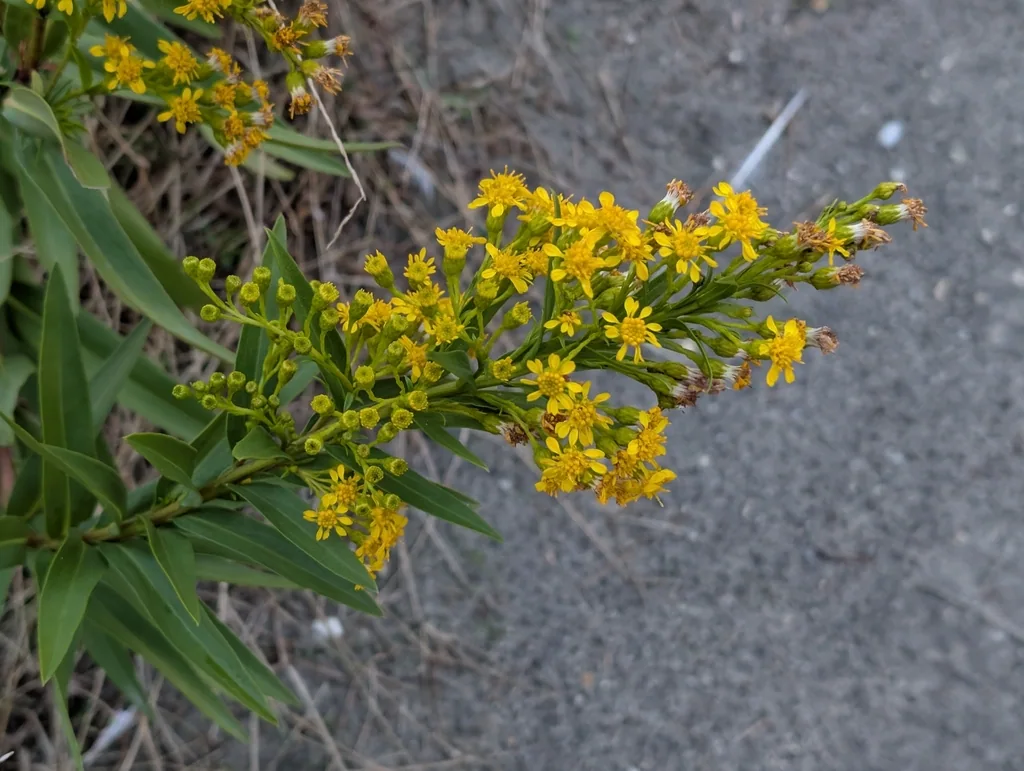
Tall golden late-season flower sprays. Best considered for the back of a pollinator planting.
Read plant guide →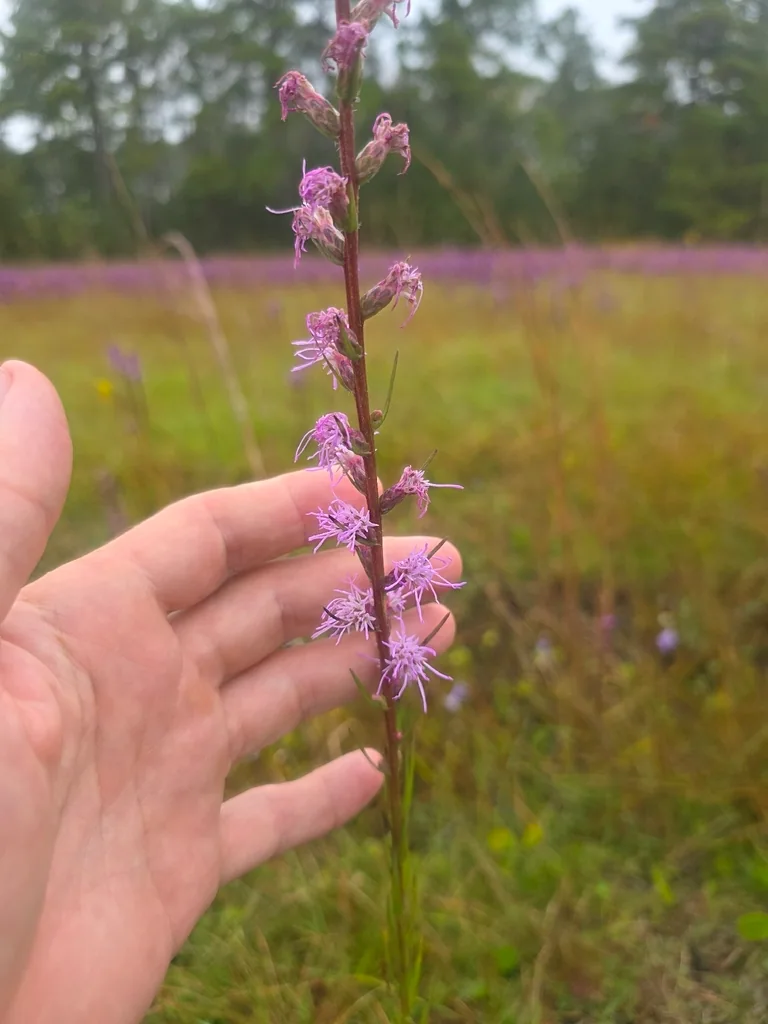
Upright purple flower spikes. Best considered for a seasonally colorful meadow-style bed.
Read plant guide →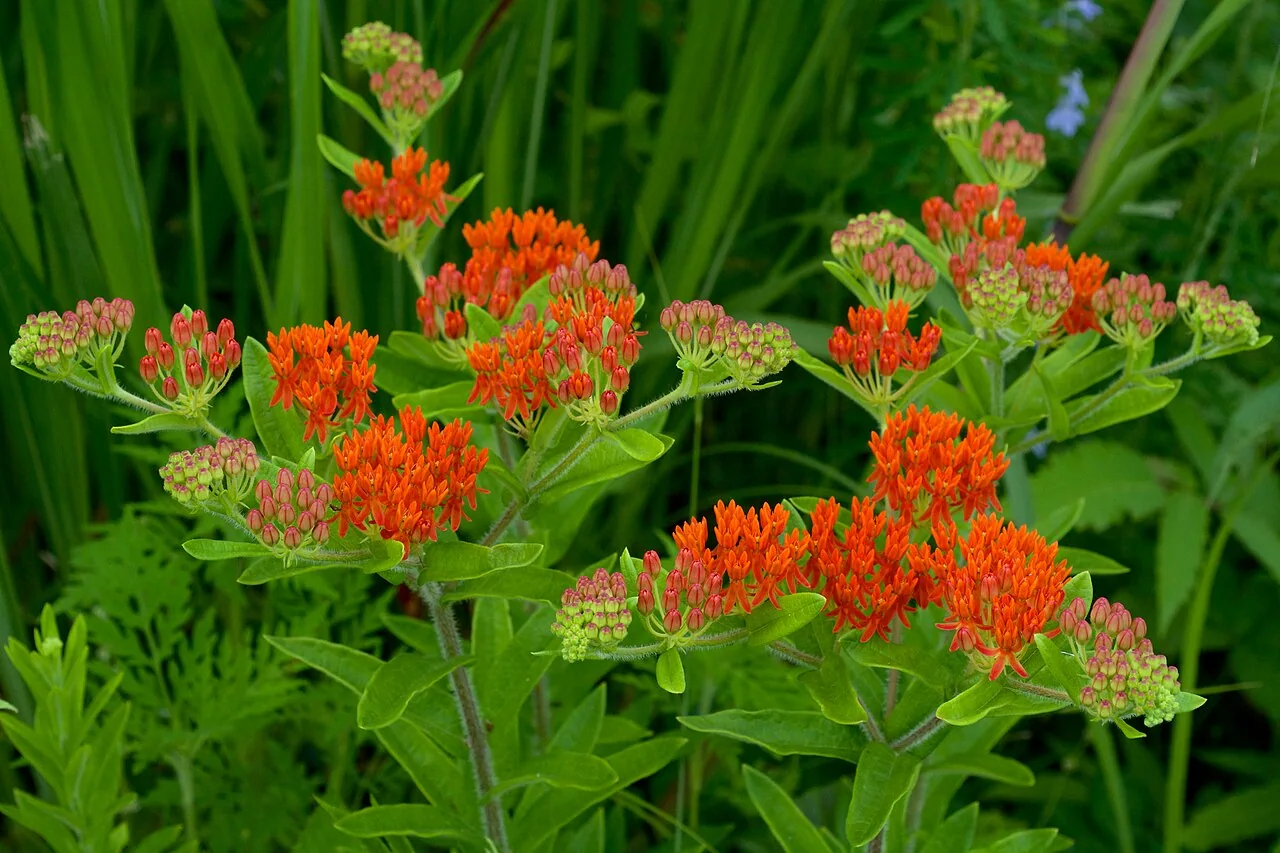
Orange flowers that support butterflies. Best considered for a dry sunny native pollinator bed.
Read plant guide →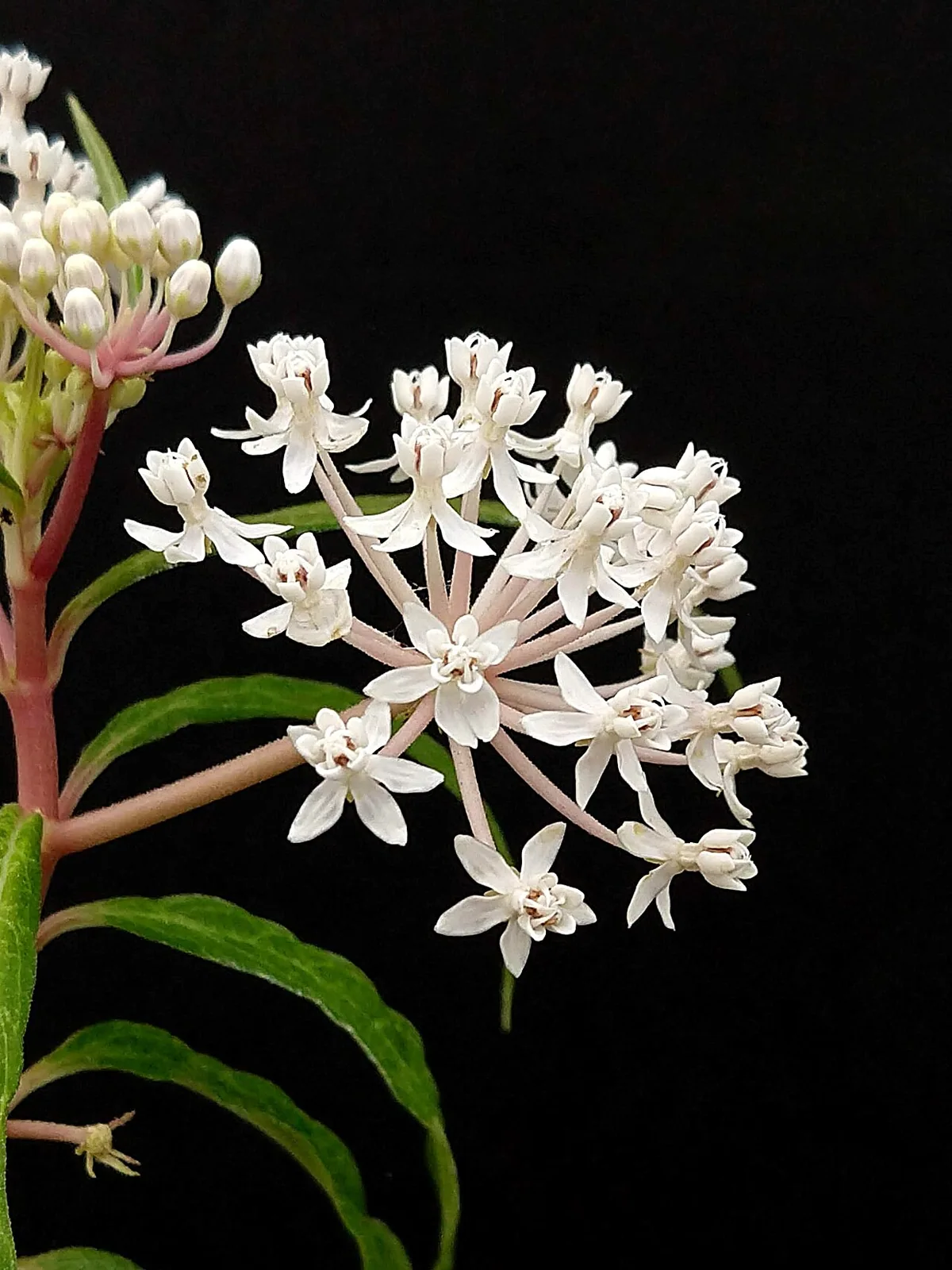
Small white flowers and monarch host foliage. Best considered for a rain-garden edge that stays damp.
Read plant guide →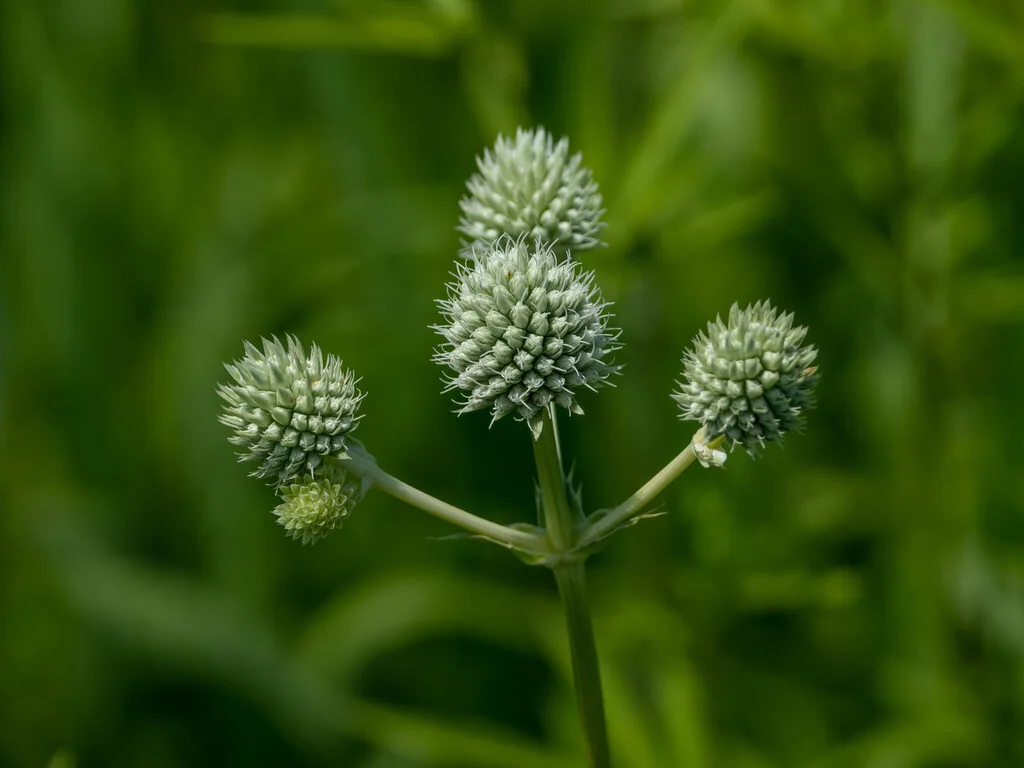
Architectural narrow leaves and round flowerheads. Best considered for a striking native accent in a sunny border.
Read plant guide →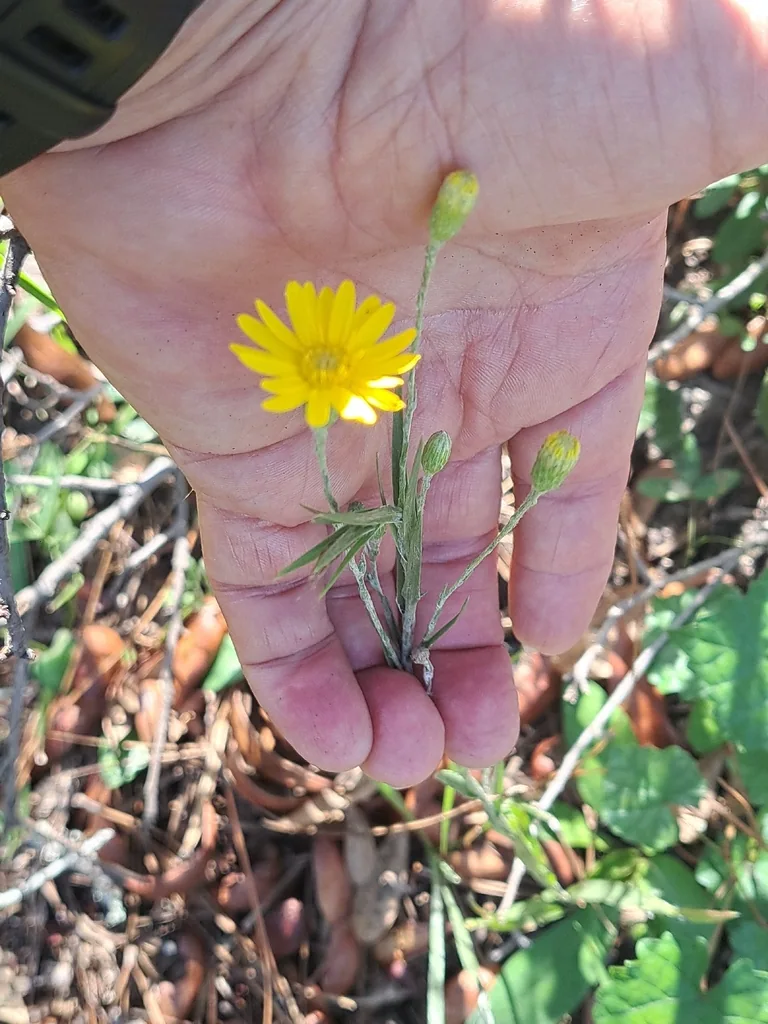
Silver-green blades and bright yellow flowers. Best considered for a sandy naturalistic native groundcover.
Read plant guide →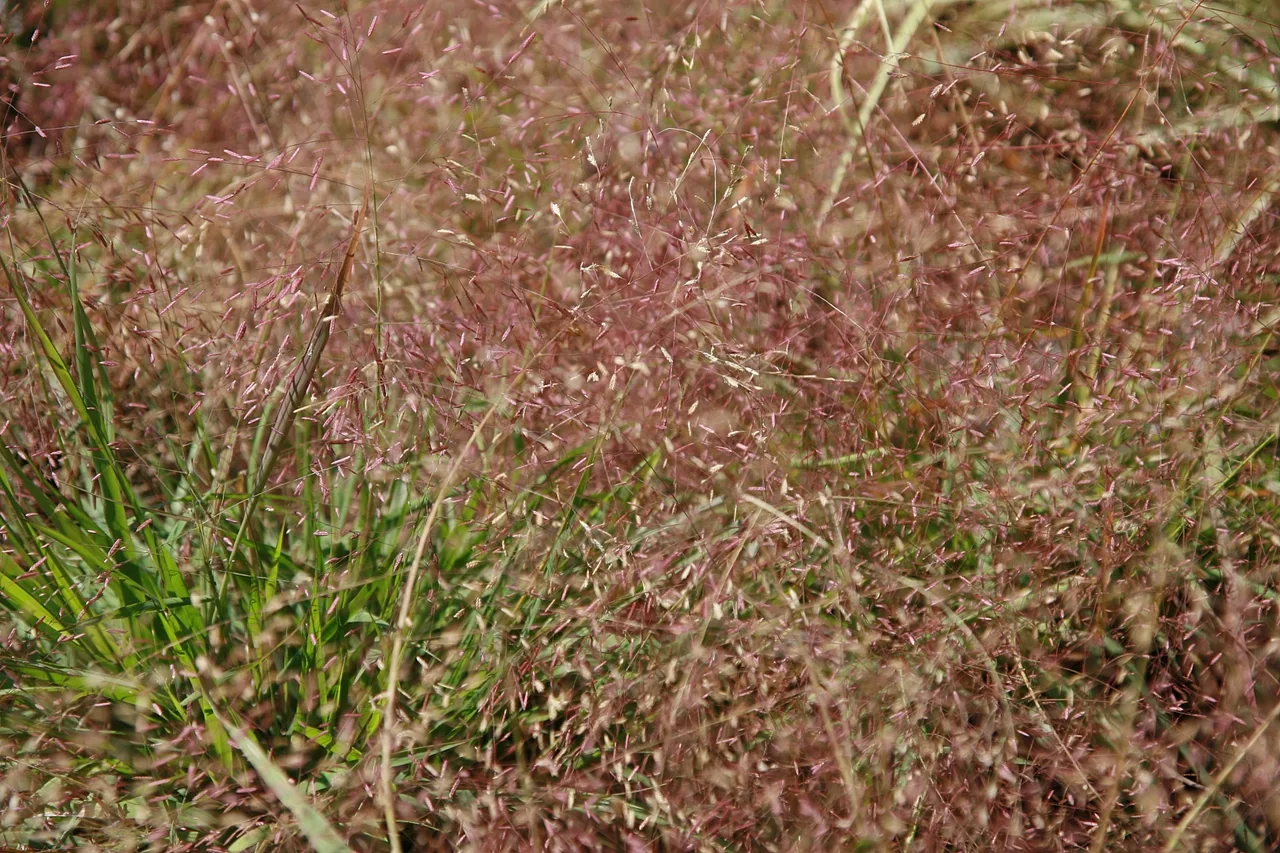
Airy purple-pink seedheads in season. Best considered for a meadow-inspired edge with room to move.
Read plant guide →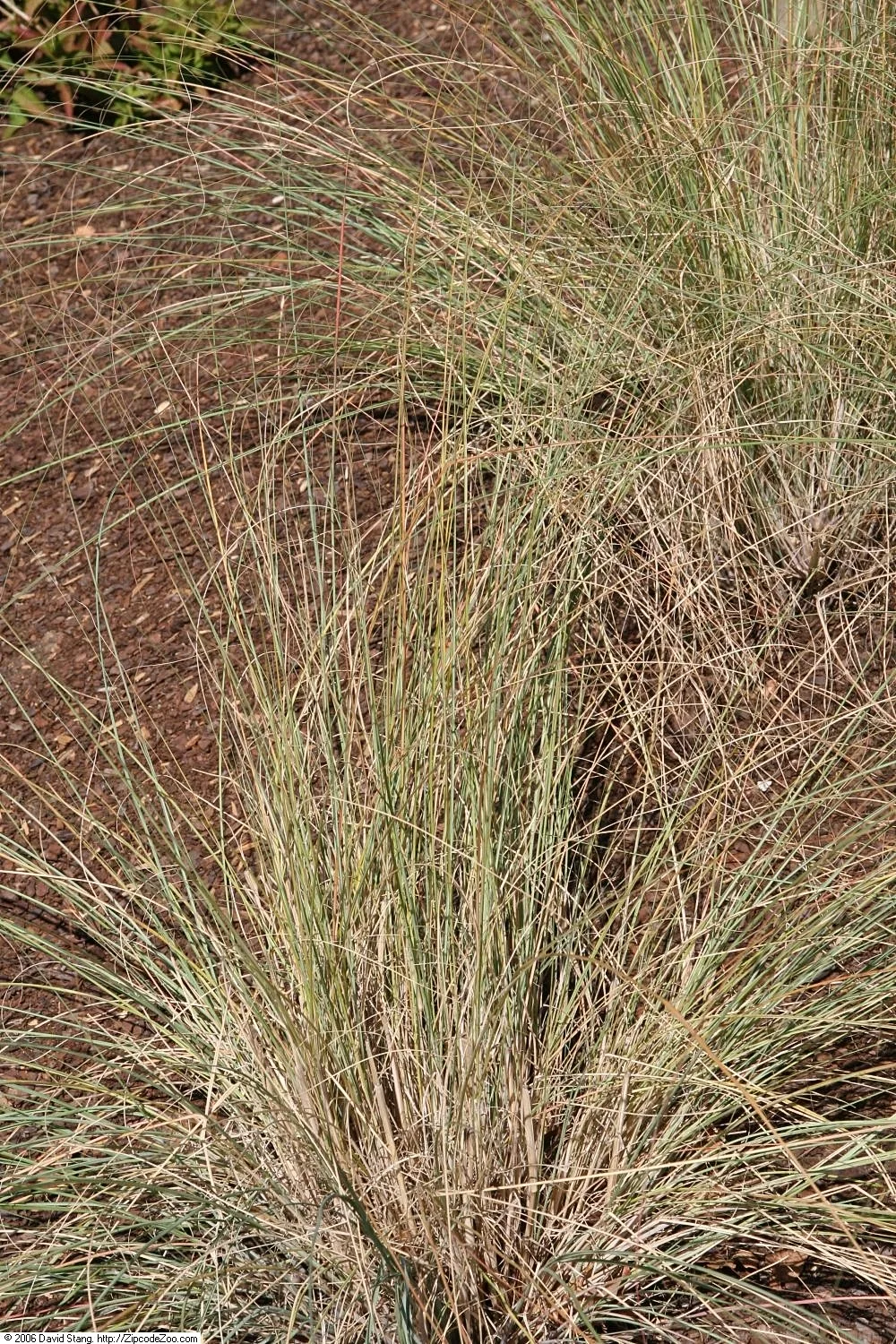
Fine bluish foliage and open seedheads. Best considered for a low-maintenance native grass grouping.
Read plant guide →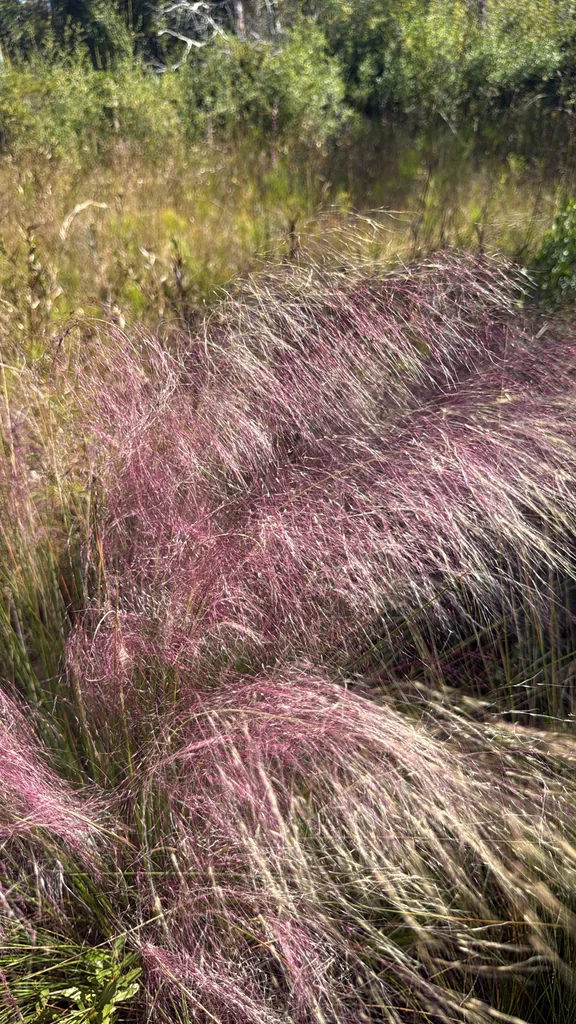
Clouds of pink fall seedheads. Best considered for a repeated ornamental border near the driveway.
Read plant guide →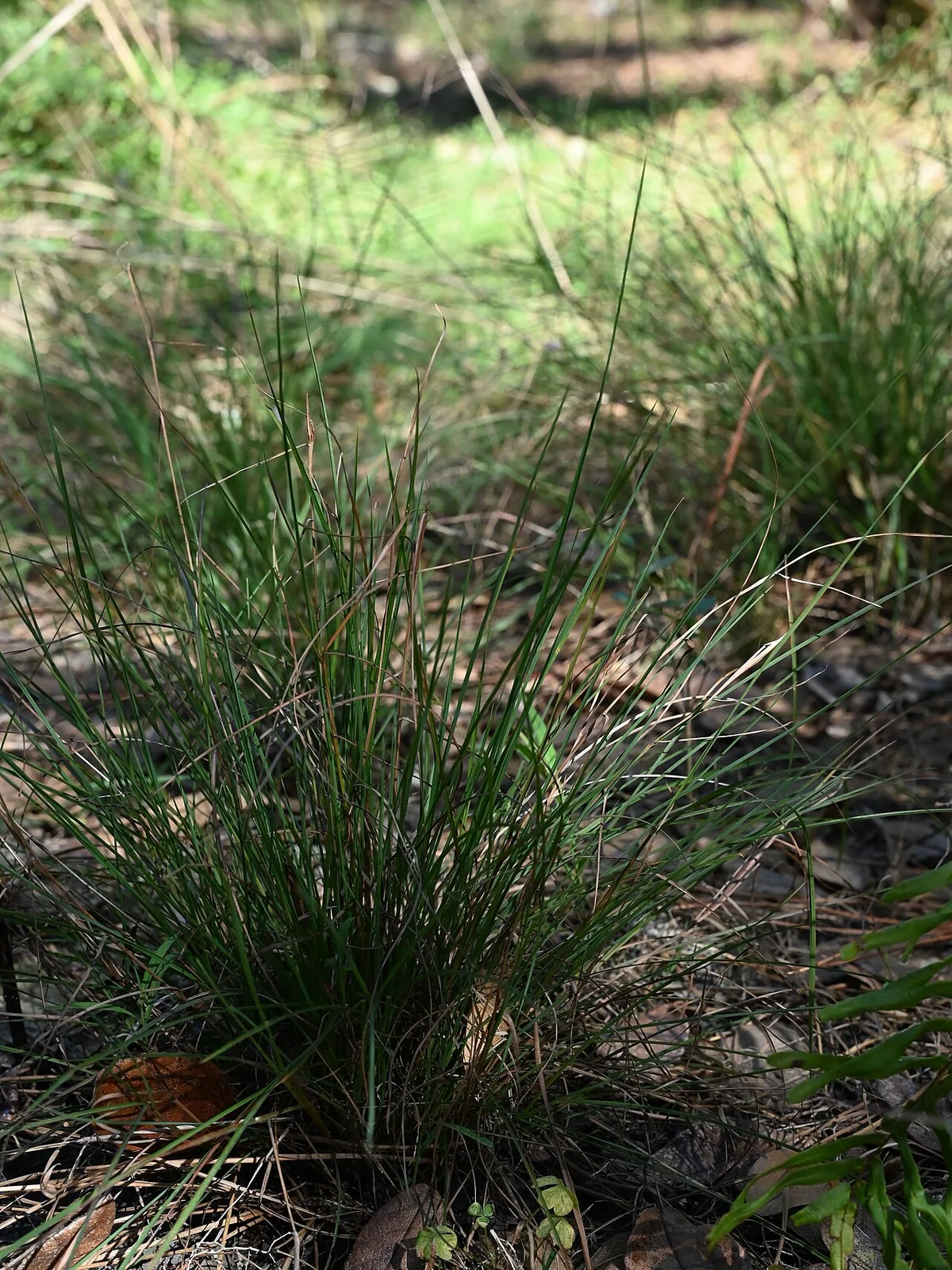
Bold arching native grass foliage. Best considered for a substantial accent beside a broad bed.
Read plant guide →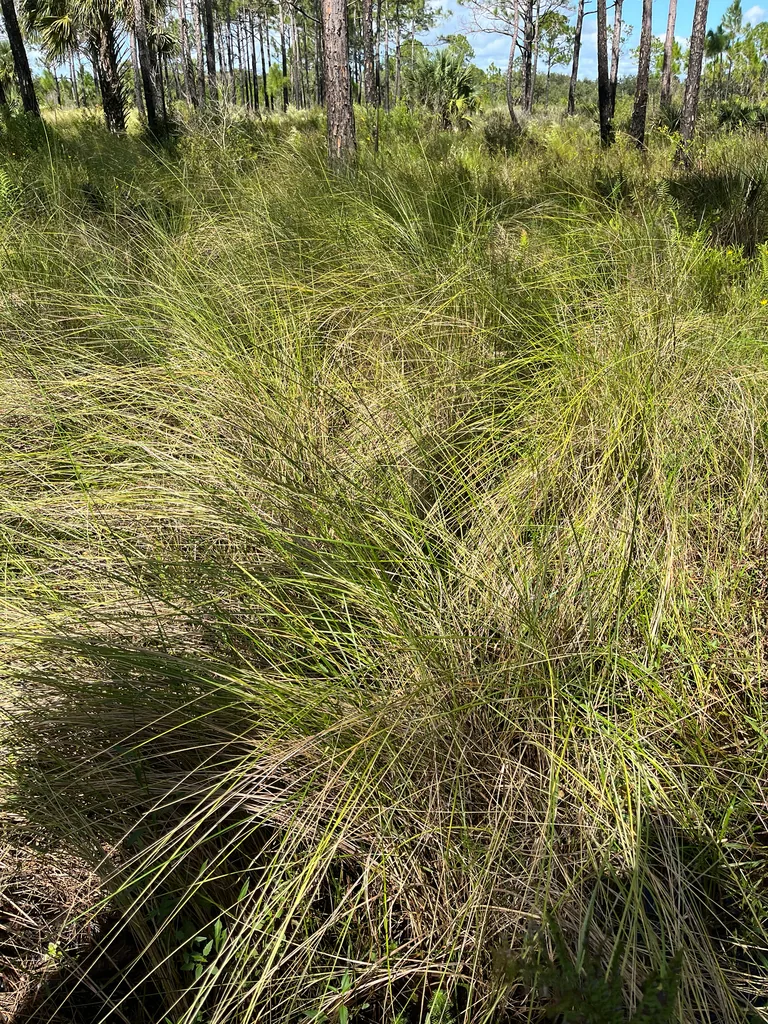
Dramatic fountain-like clumps. Best considered for a large rain-garden edge or wet area.
Read plant guide →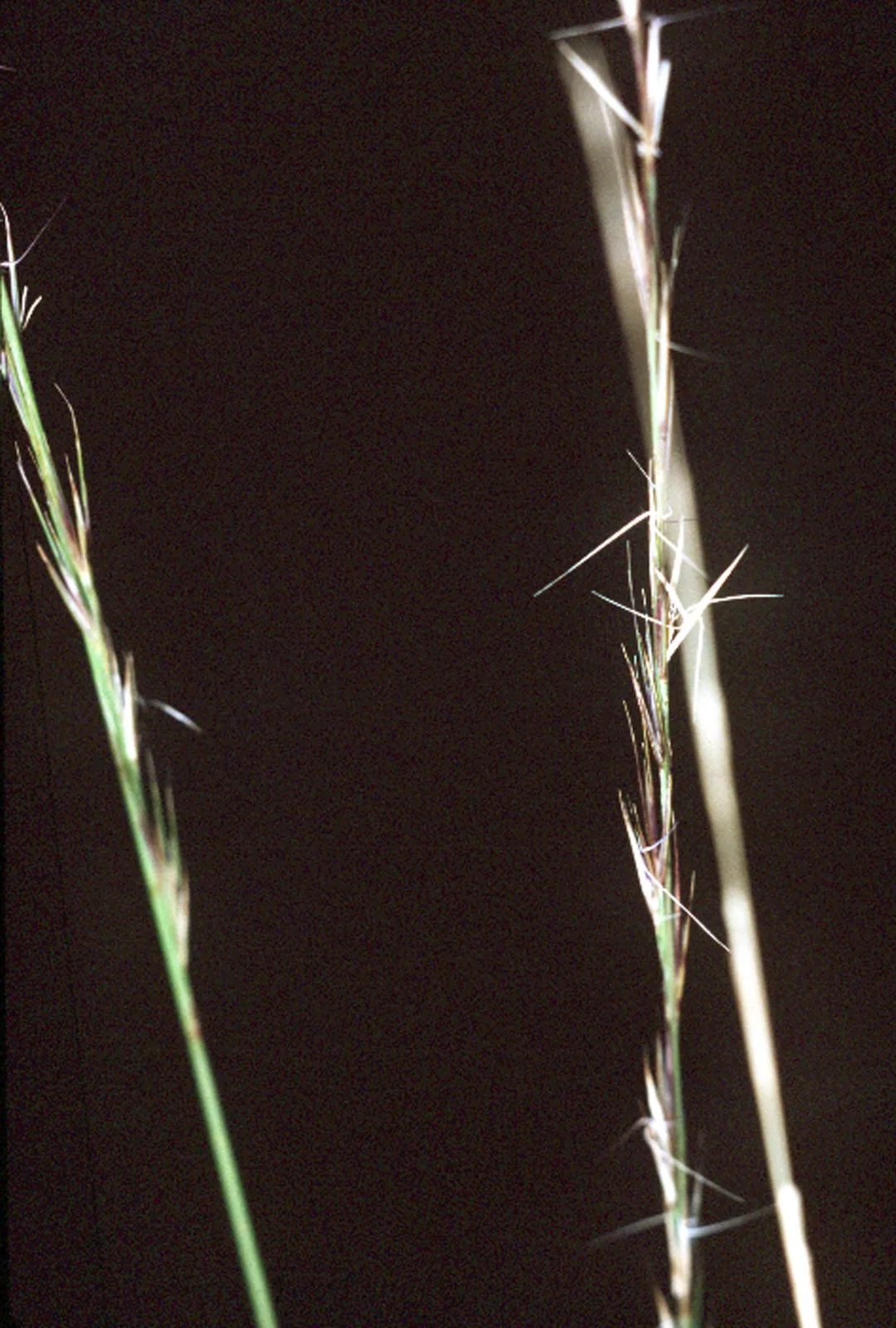
Fine bunchgrass texture in native sandhill designs. Best considered for a sunny naturalistic garden with excellent drainage.
Read plant guide →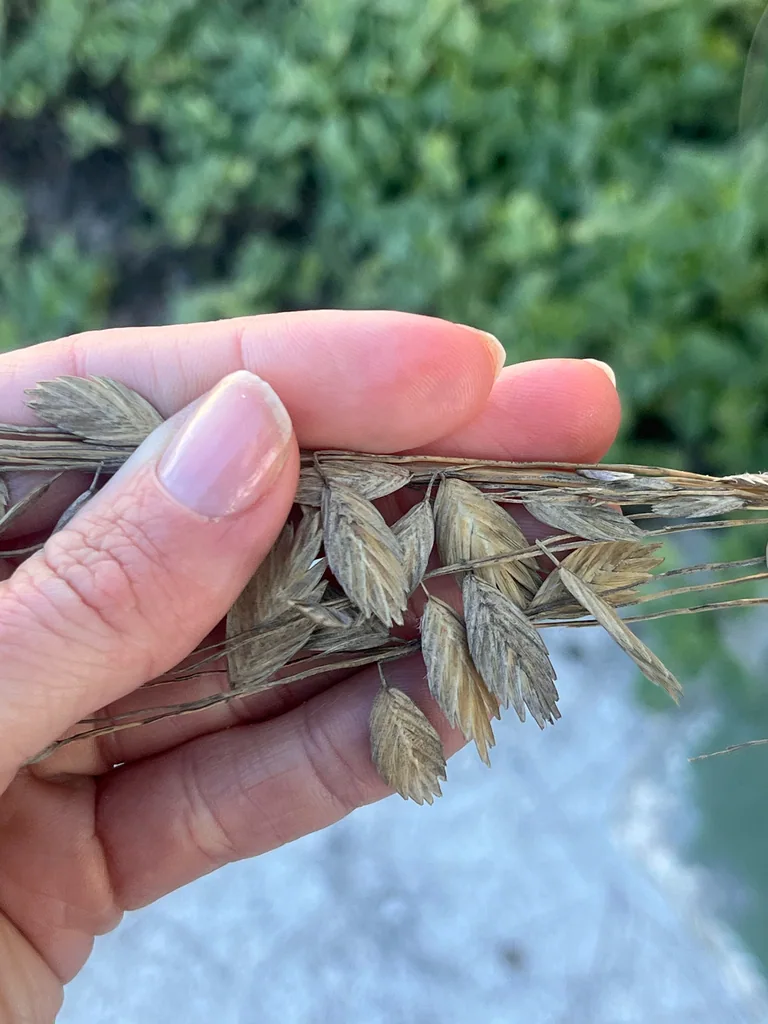
Tall arching golden seedheads. Best considered for a responsibly sourced coastal-style accent.
Read plant guide →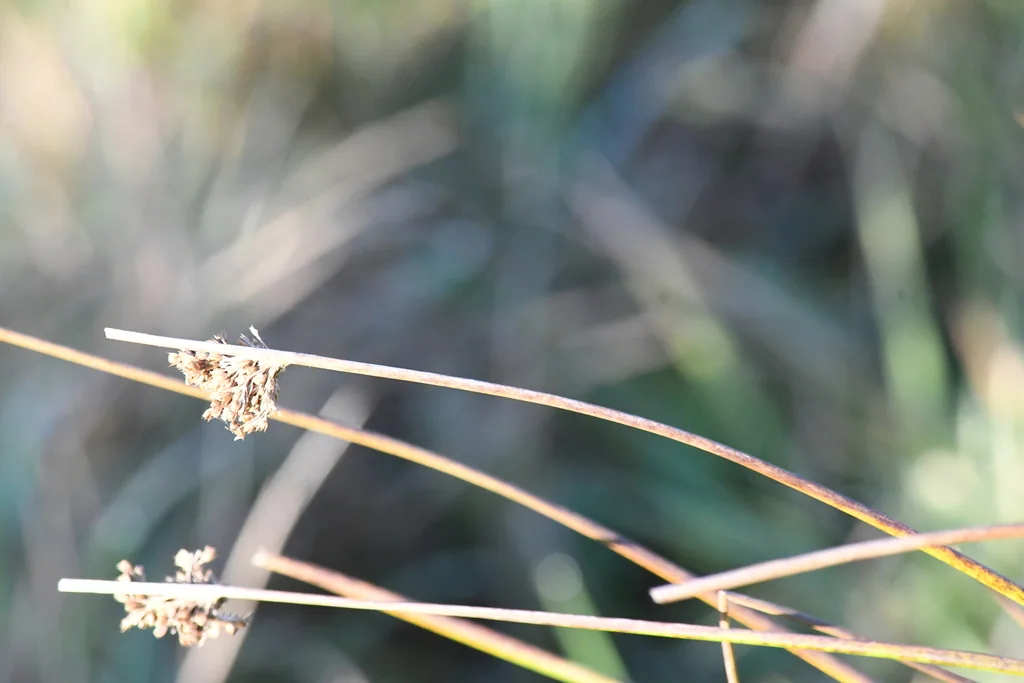
Upright cylindrical green stems. Best considered for a pond edge or rain garden.
Read plant guide →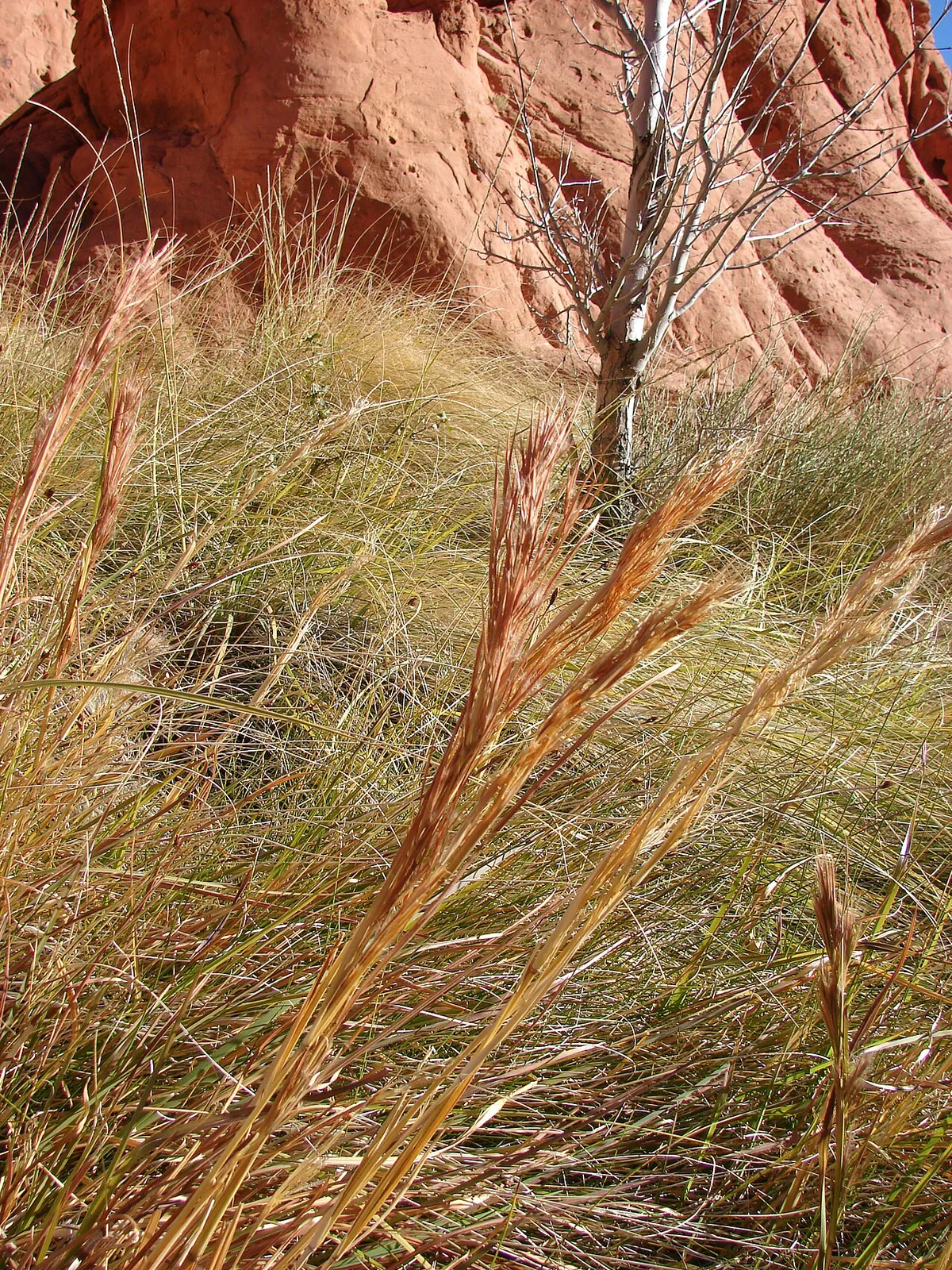
Fluffy silver-white fall seedheads. Best considered for a seasonal drainage-area planting.
Read plant guide →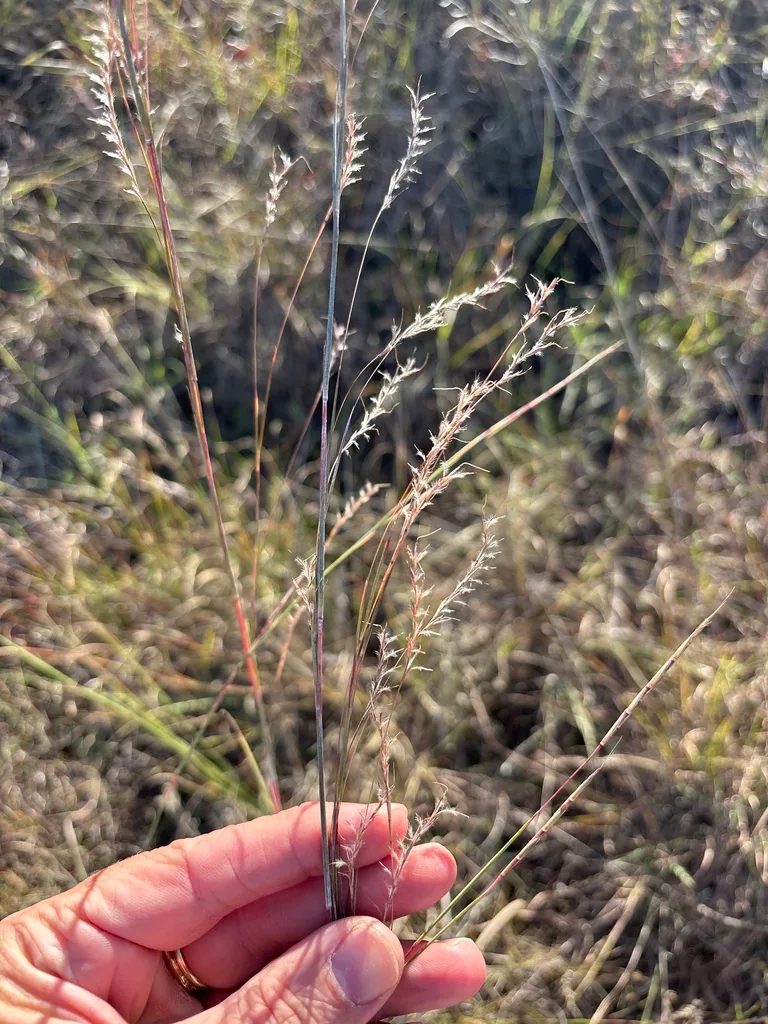
Blue-green stems that take copper tones later. Best considered for a dry sunny native grass grouping.
Read plant guide →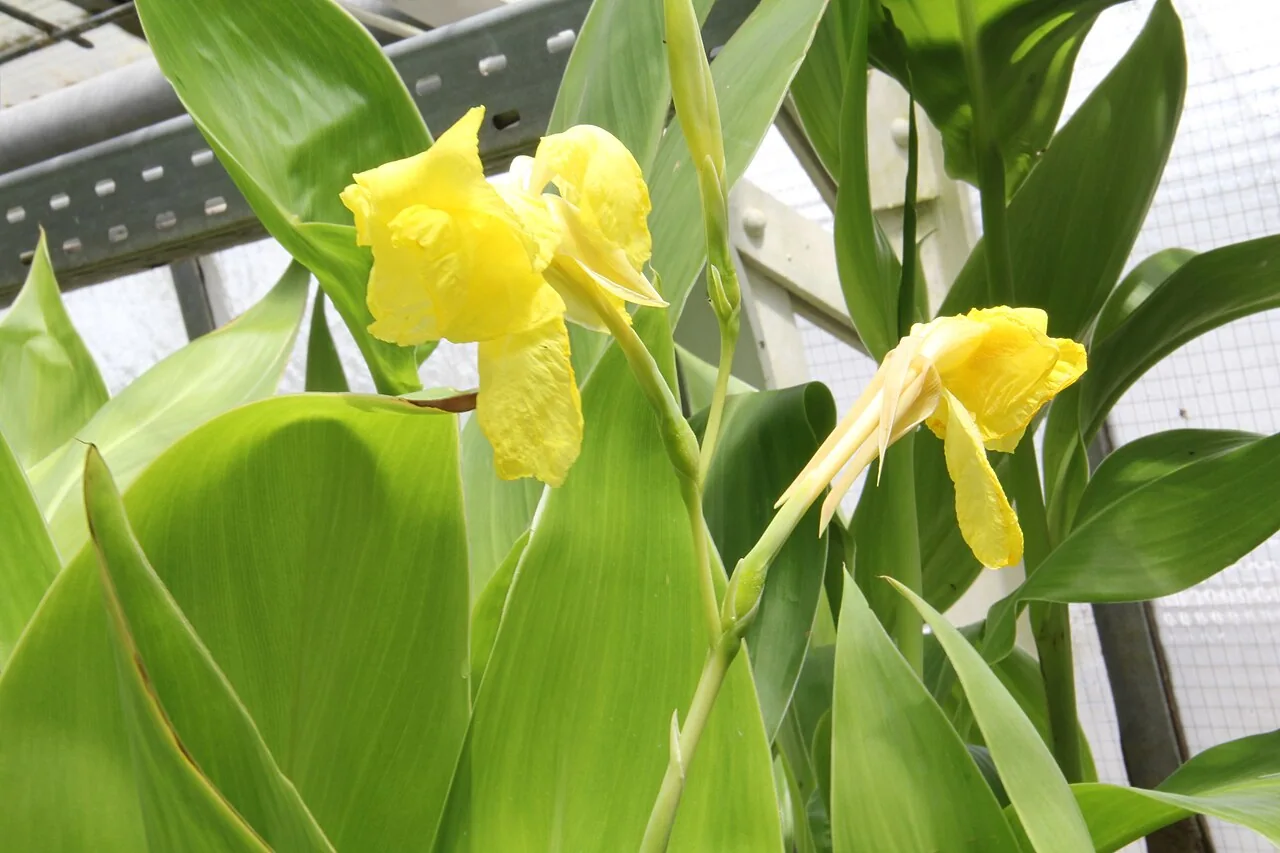
Large leaves and bright yellow native flowers. Best considered for a wet garden edge or rain garden.
Read plant guide →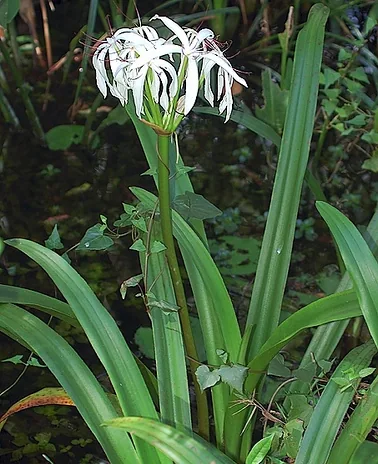
Fragrant white lily-like blooms above long leaves. Best considered for the margin of a pond or moist swale.
Read plant guide →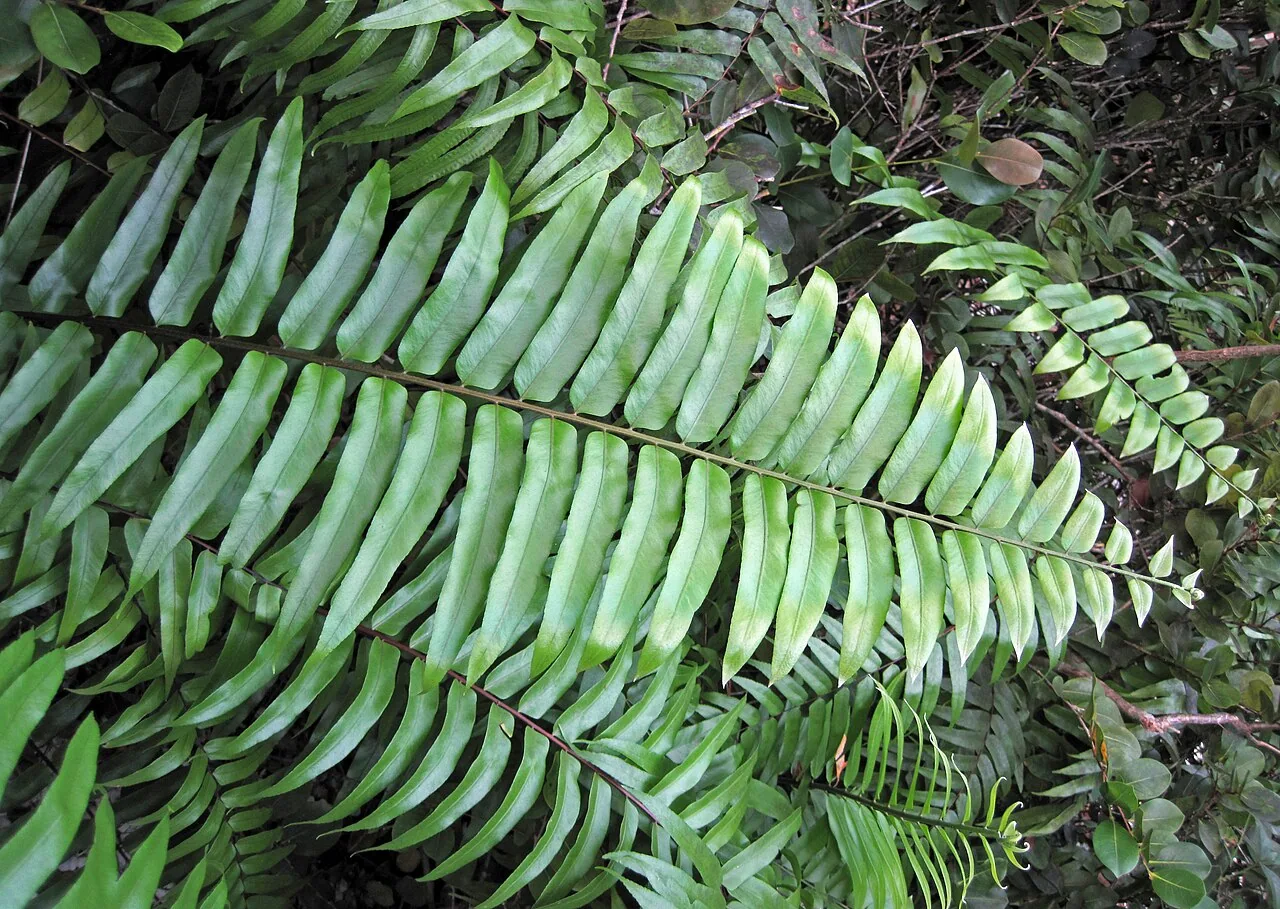
Very large arching tropical fern fronds. Best considered for a generously sized wetland-inspired accent.
Read plant guide →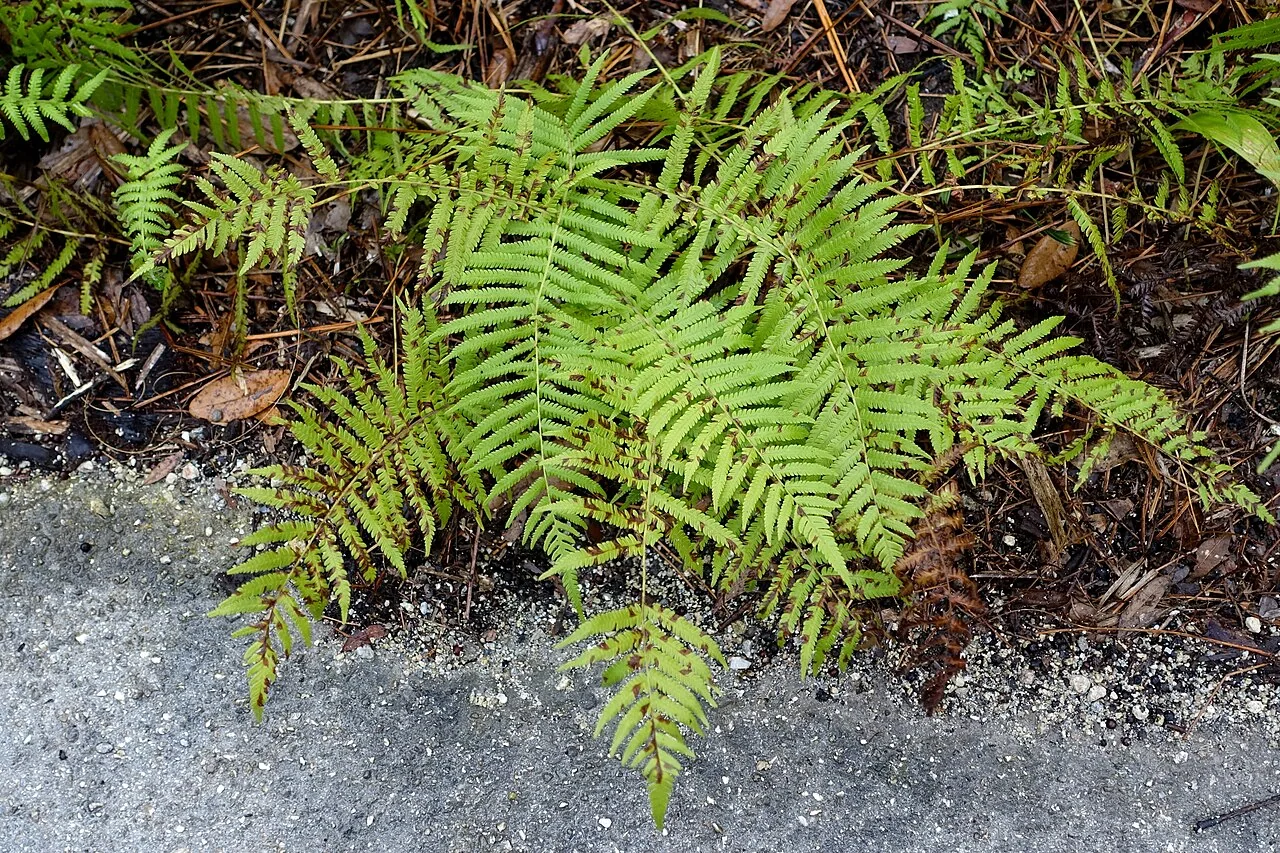
Fine soft green fronds in spreading clumps. Best considered for a sheltered north-side garden.
Read plant guide →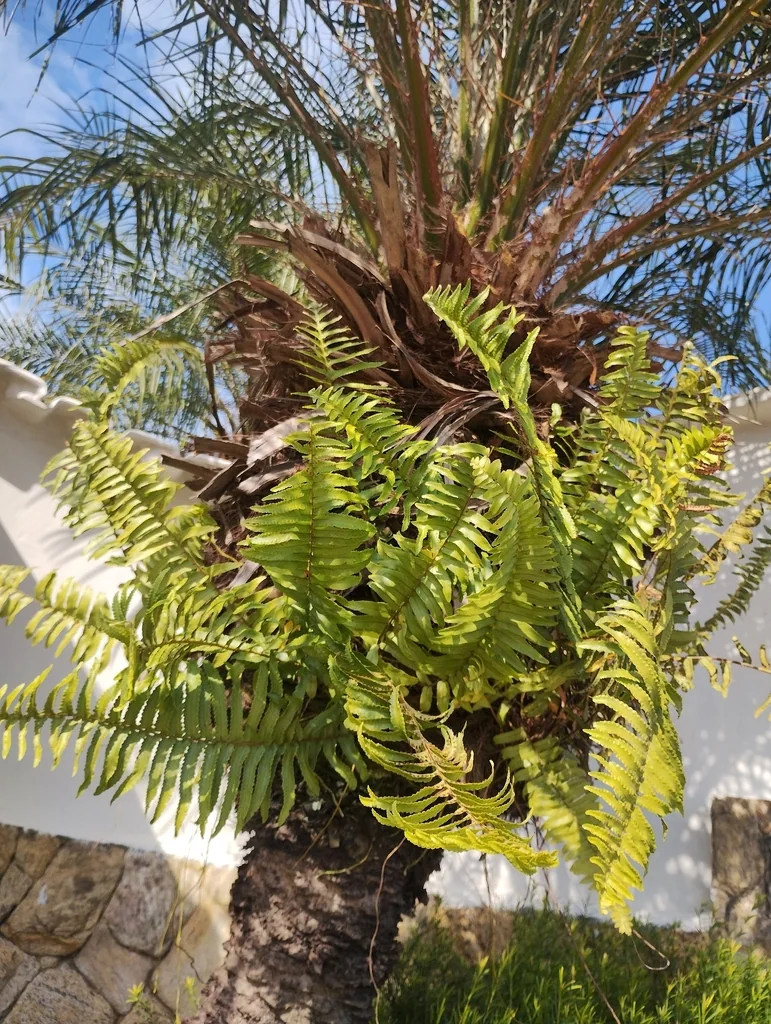
Lush arching feathery fronds. Best considered for a shaded hanging basket or sheltered bed.
Read plant guide →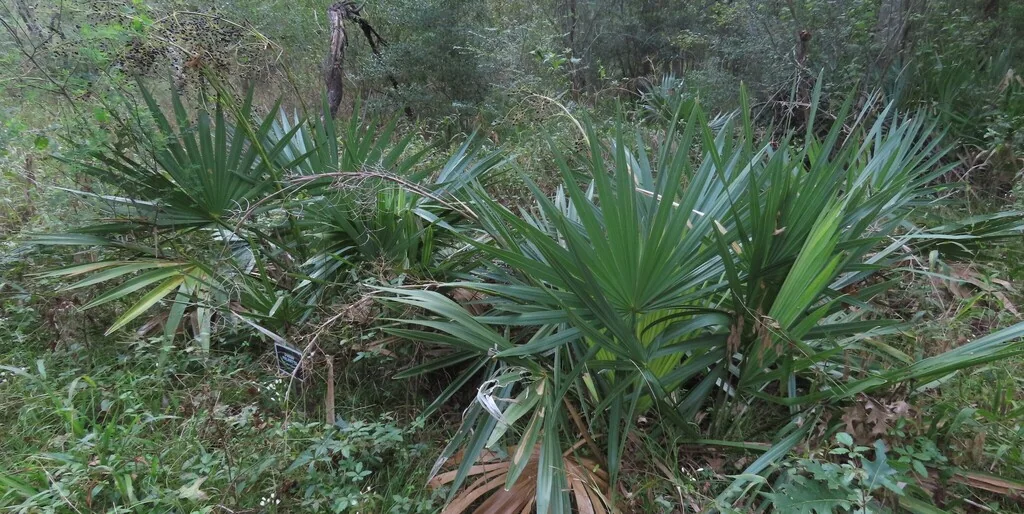
Low fan-shaped native palm leaves. Best considered for a layered native accent under taller canopy.
Read plant guide →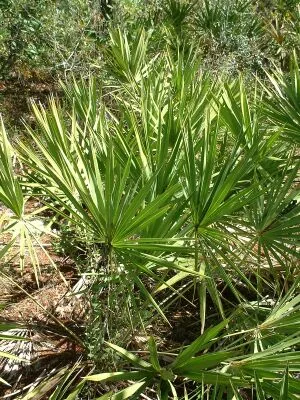
Strong native fan-shaped fronds and wildlife value. Best considered for a large naturalistic native planting.
Read plant guide →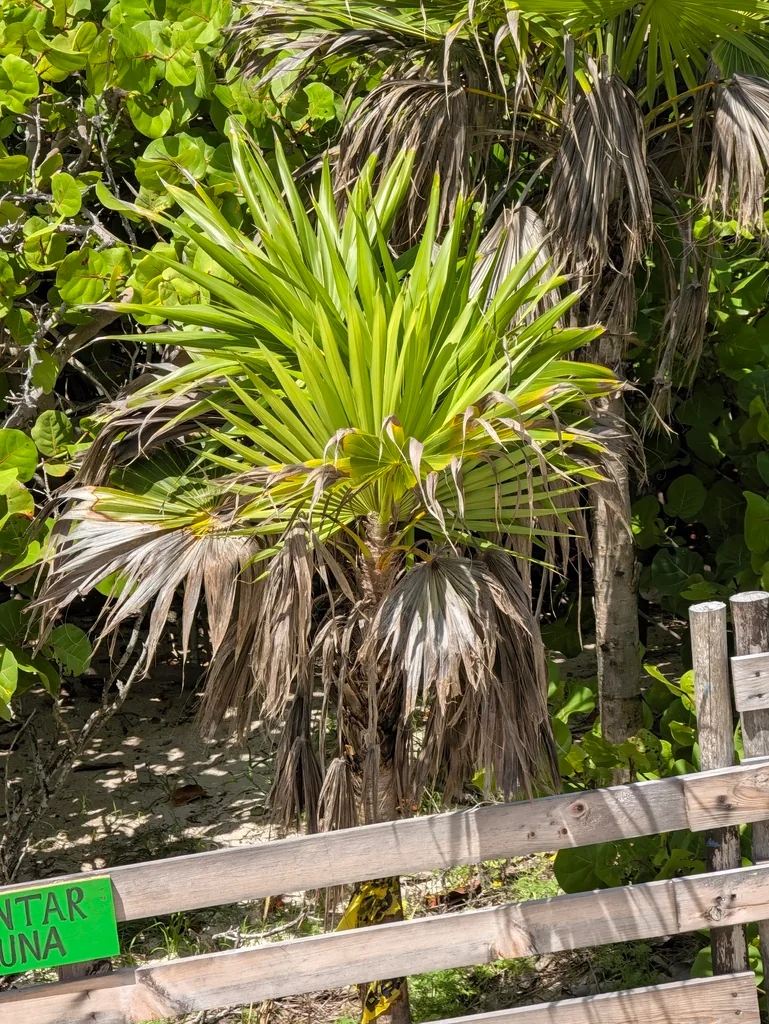
Slender trunk and finely divided fan leaves. Best considered for a protected tropical native focal point.
Read plant guide →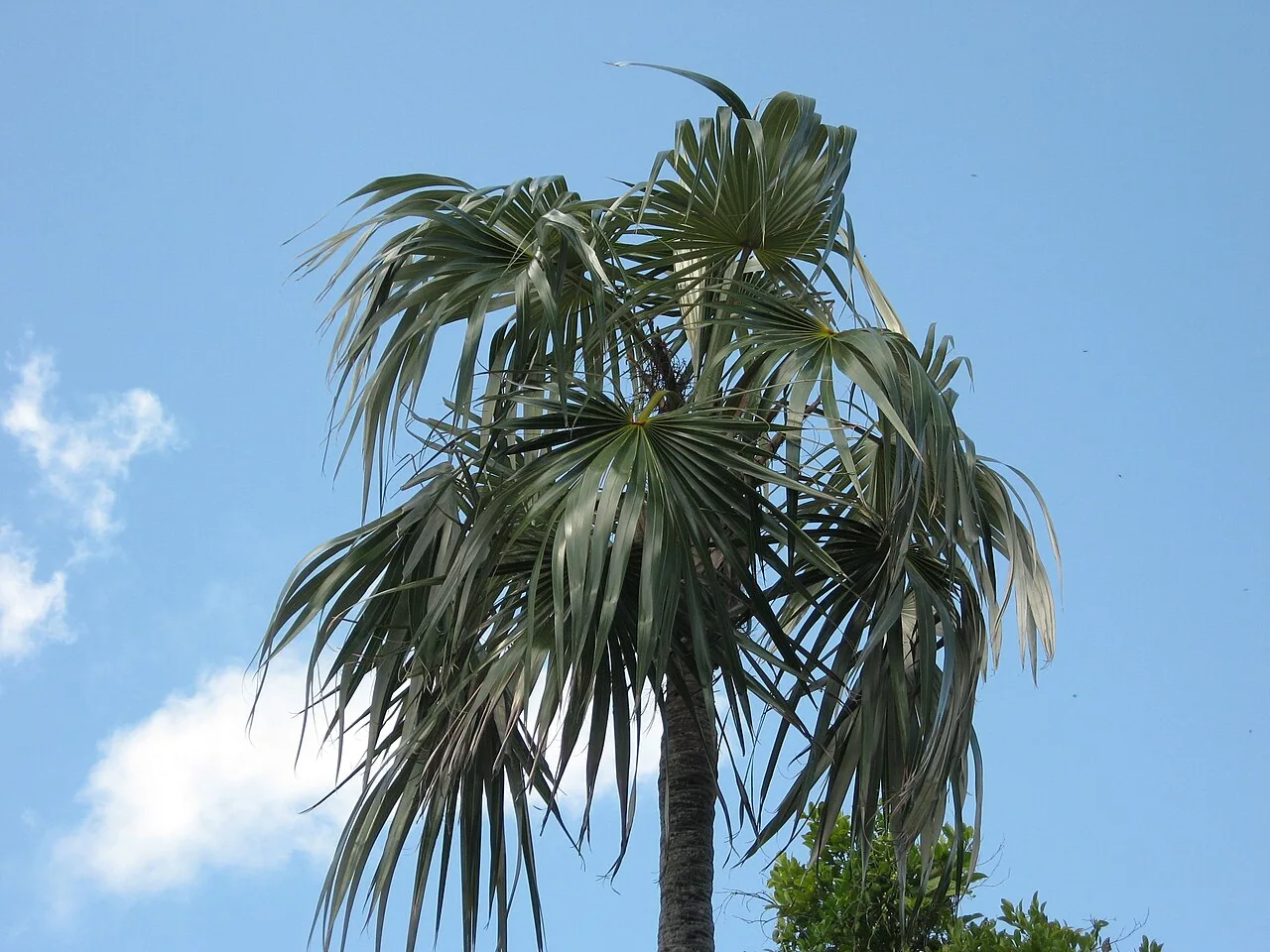
Slender fan leaves with silvery undersides. Best considered for a small tropical-style specimen bed.
Read plant guide →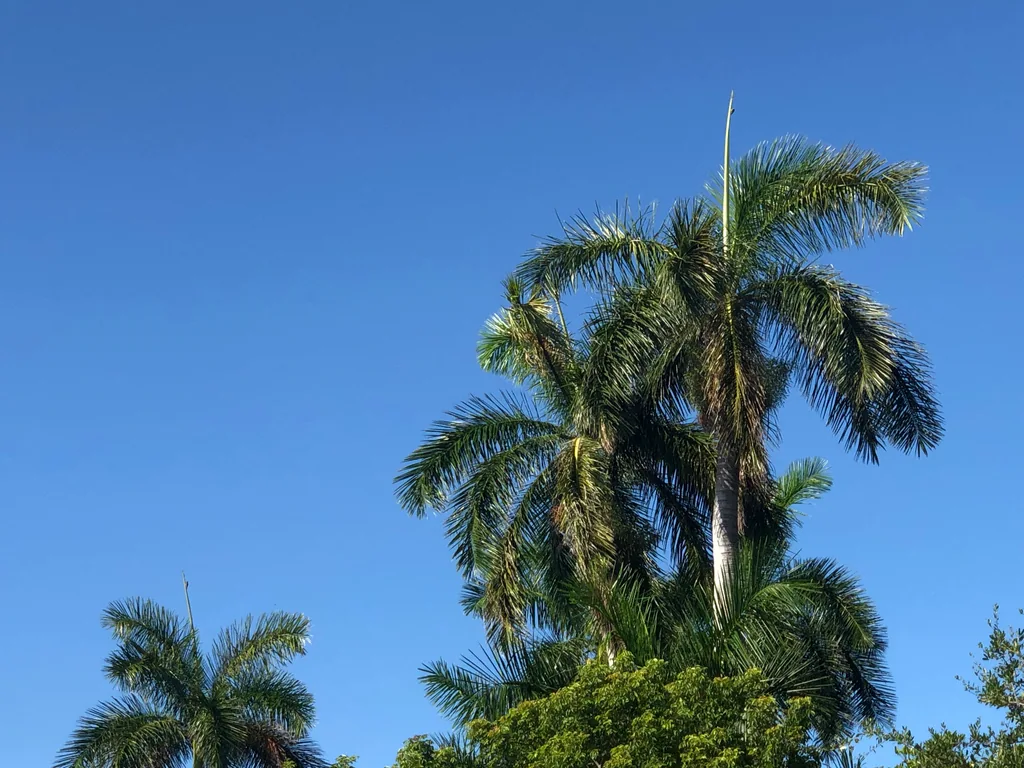
Stately tall trunk and big feathery crown. Best considered for a very large open property with generous setbacks.
Read plant guide →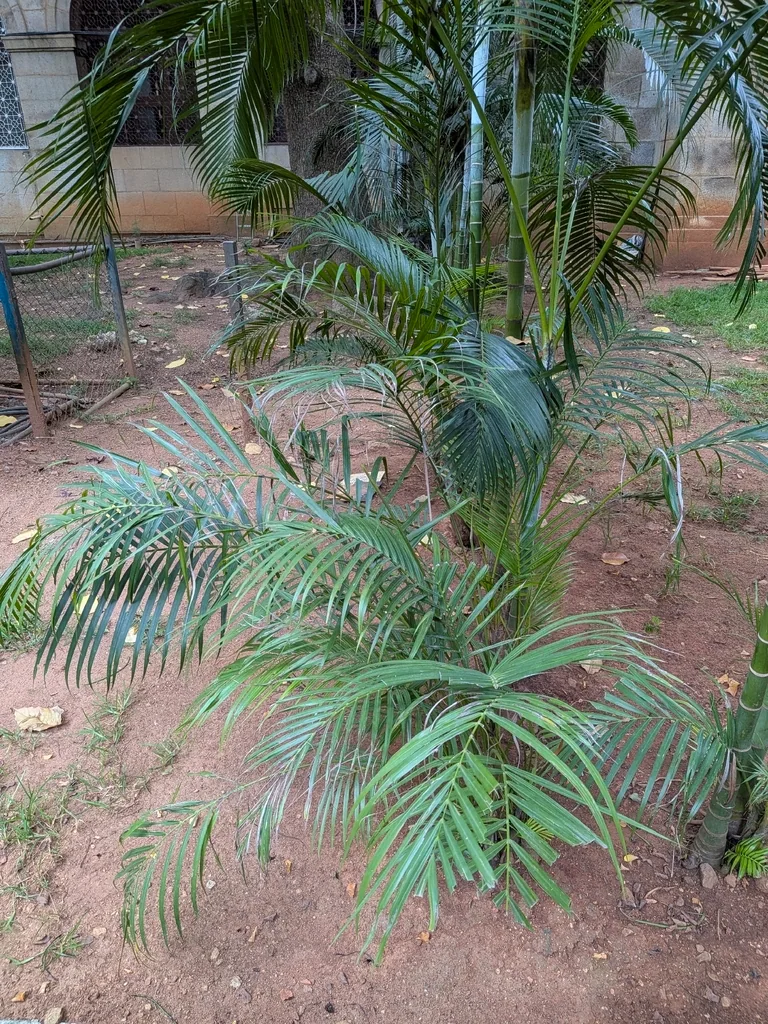
Feathery clustering stems for a tropical screen. Best considered for a sheltered privacy planting.
Read plant guide →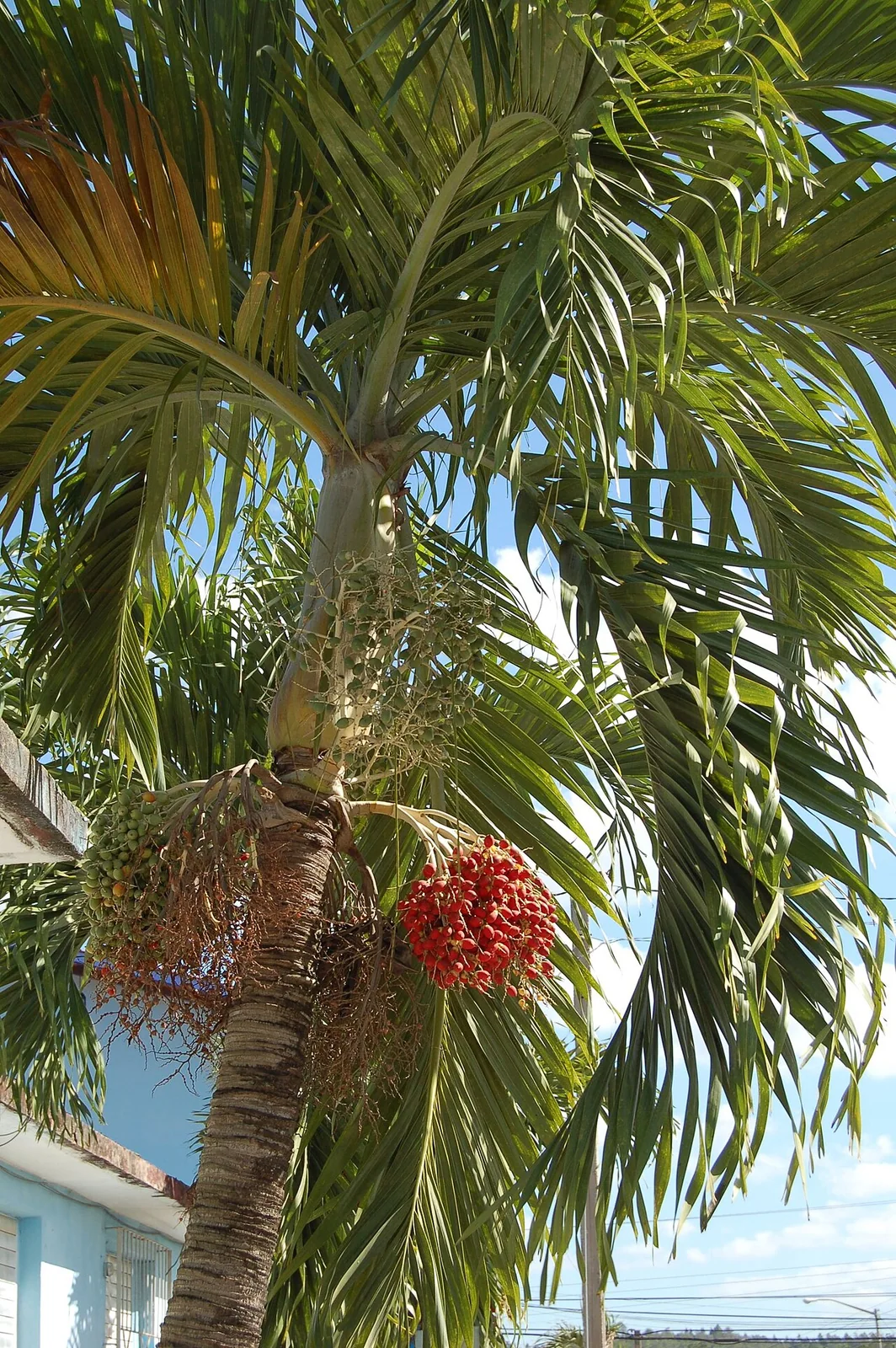
Compact feathery crown and colorful red fruit. Best considered for a warm protected small-yard accent.
Read plant guide →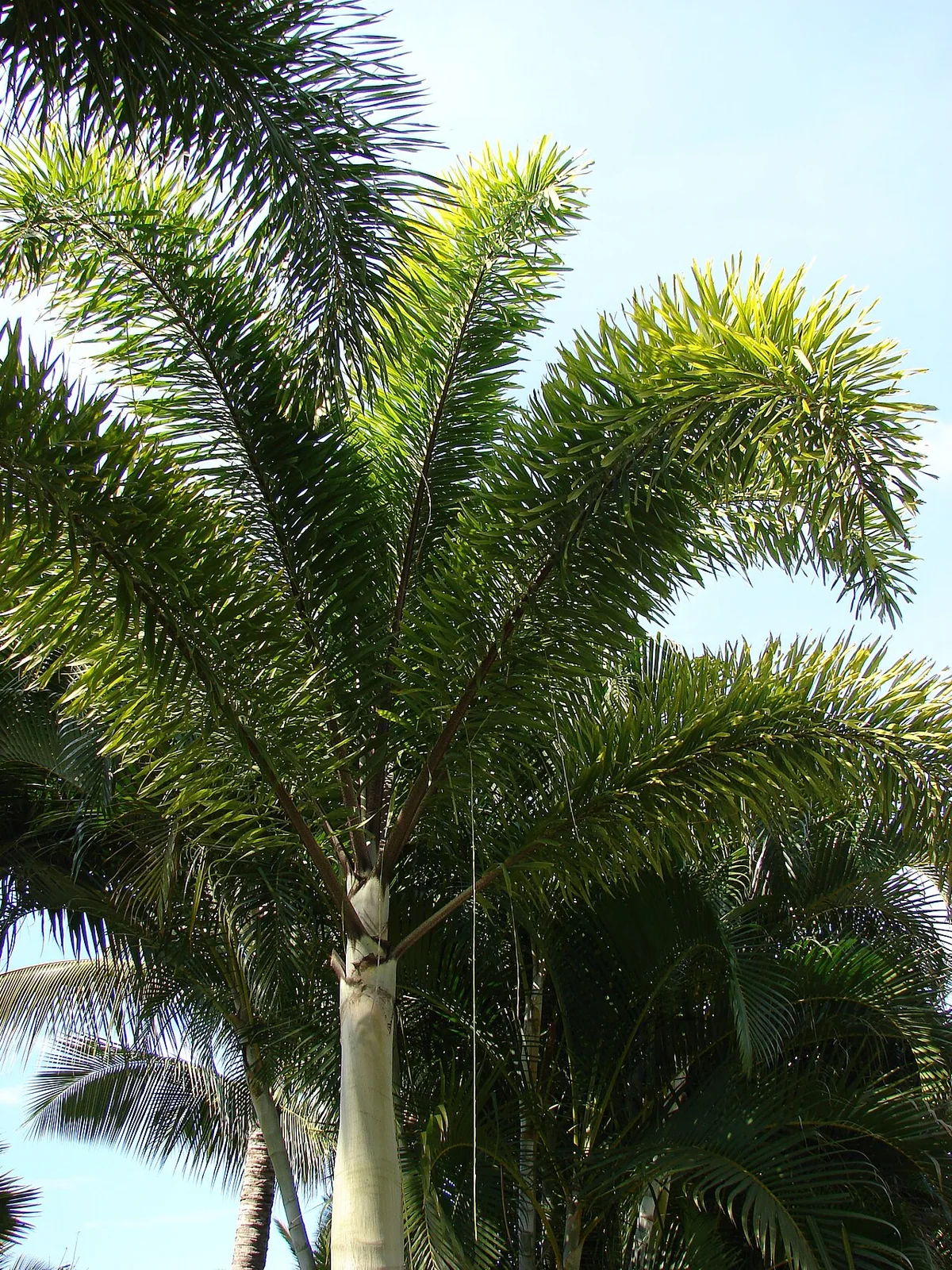
Full feathery fronds that resemble a fox tail. Best considered for a sunny ornamental palm feature.
Read plant guide →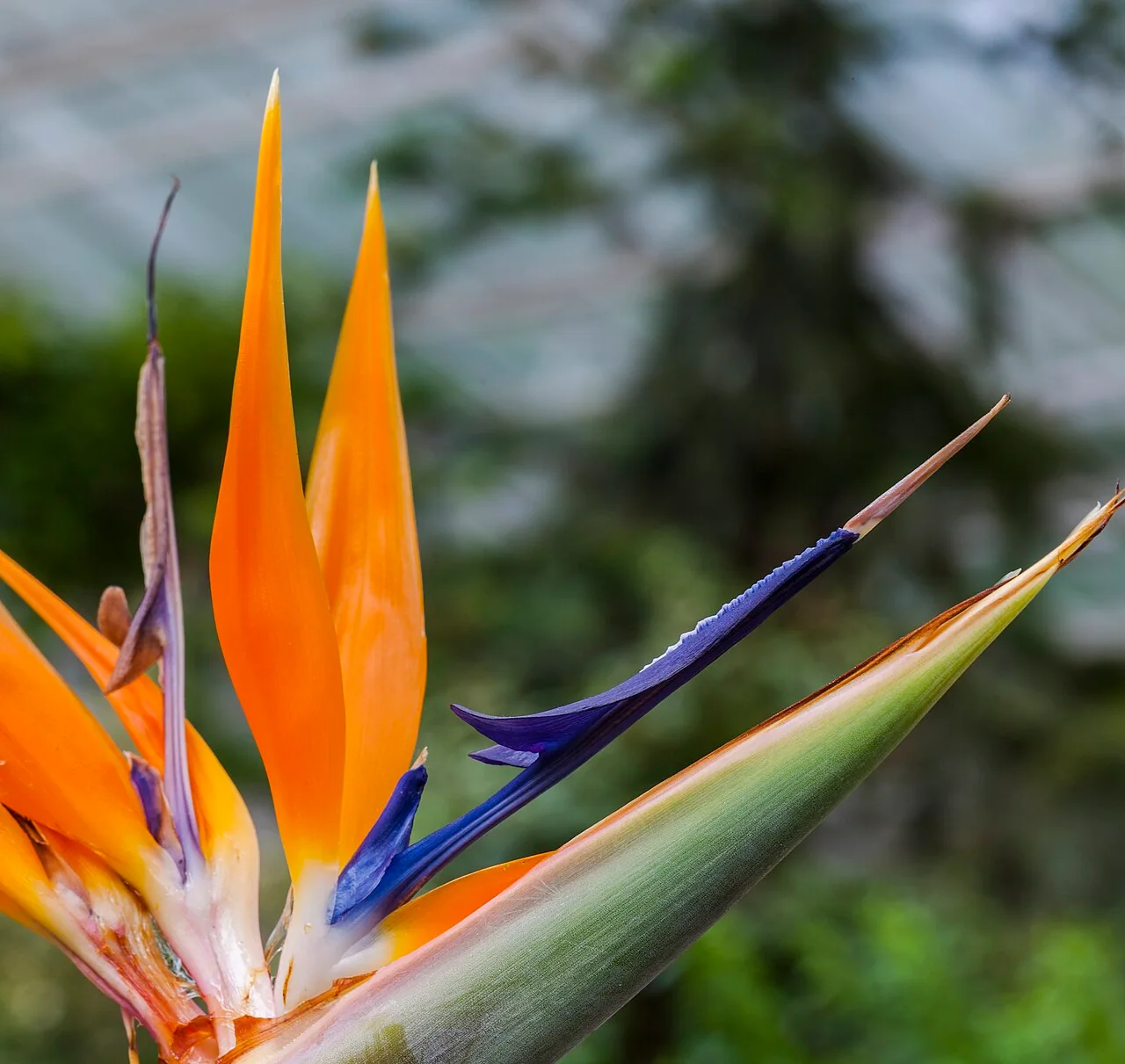
Orange-and-blue bird-shaped tropical flowers. Best considered for a sheltered ornamental focal point.
Read plant guide →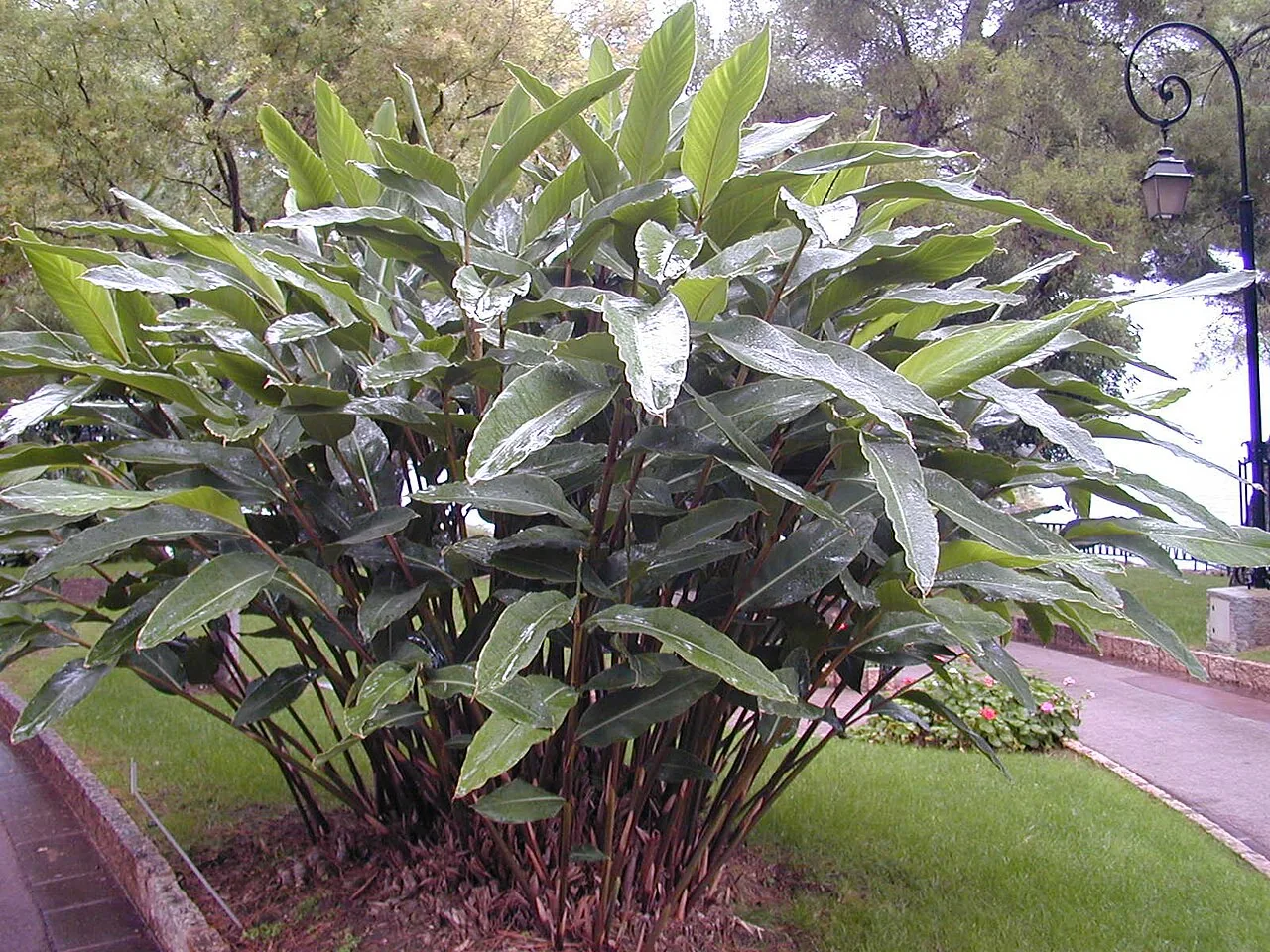
Large variegated or green tropical leaves and pendulous flowers. Best considered for a partly shaded tropical backdrop.
Read plant guide →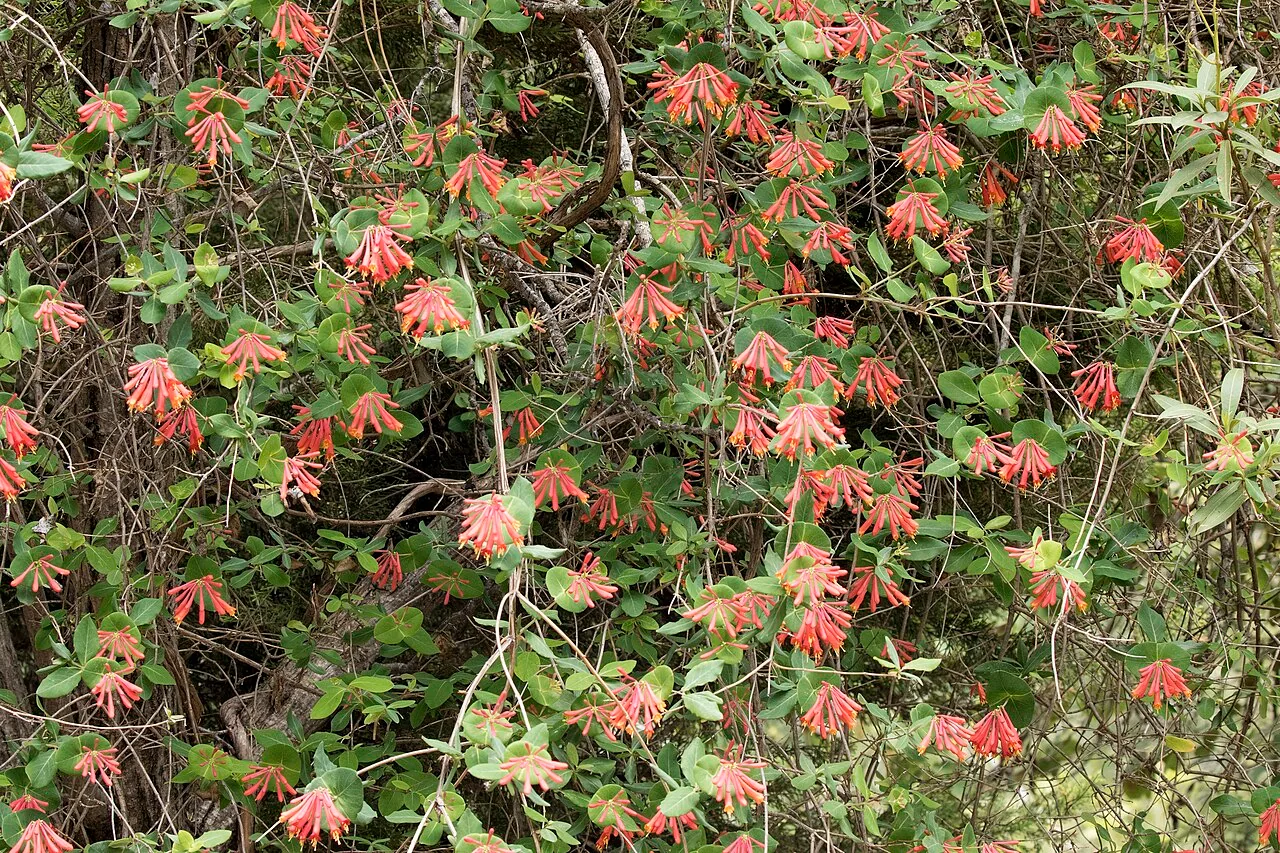
Clusters of red trumpet flowers loved by hummingbirds. Best considered for a trellis or fence away from small shrubs.
Read plant guide →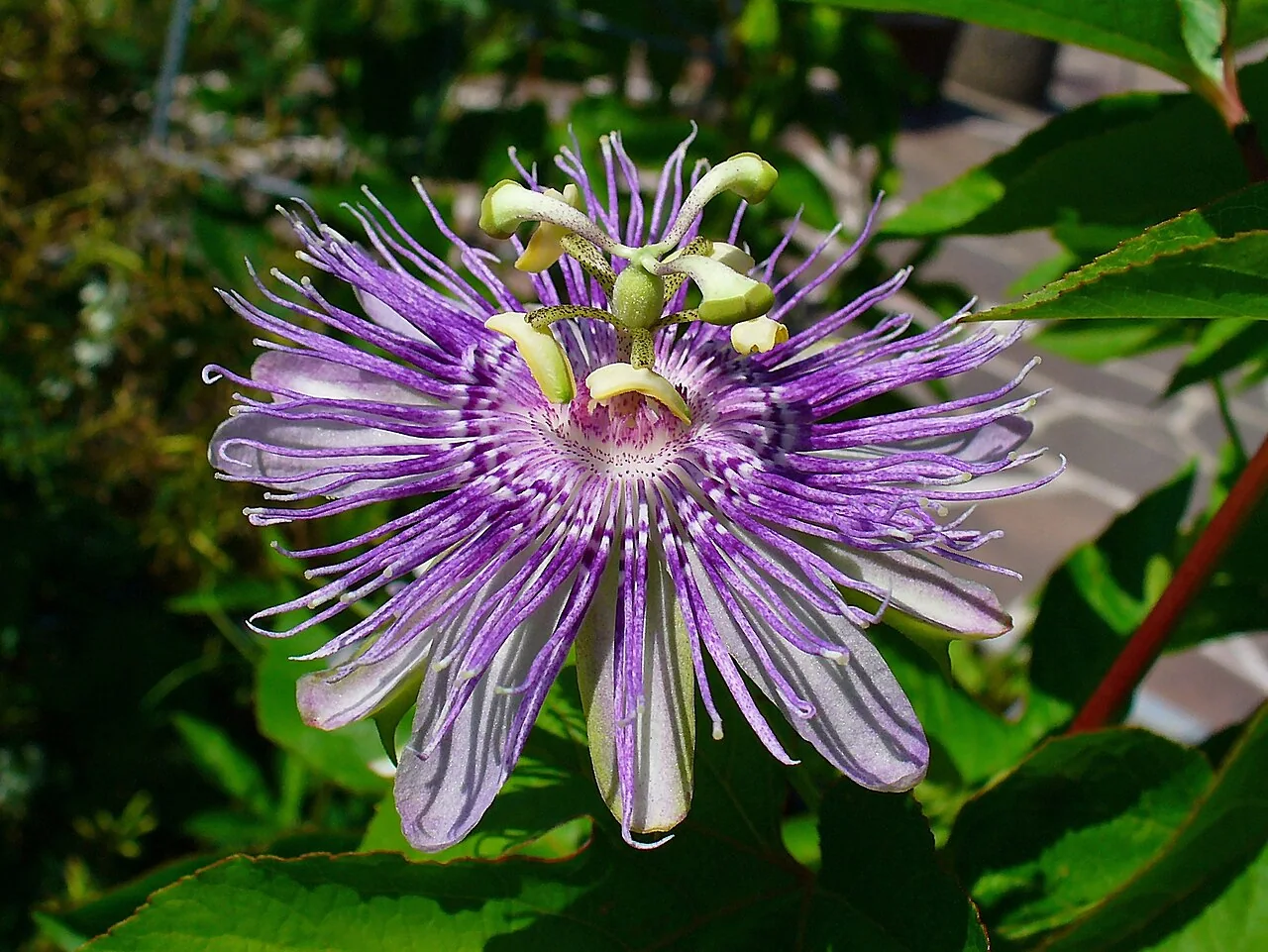
Intricate purple flowers and larval host foliage. Best considered for a dedicated trellis in a wildlife garden.
Read plant guide →Look at sun exposure, soil pH, drainage, mature plant size, salt or reclaimed-water exposure, and the occasional cold spell. Species photographs are supplied as educational references from Wikimedia Commons and iNaturalist; actual nursery cultivars may look different.