
Native Blue Porterweed: Planting & Care in Port St. Lucie, FL
Planting guidance for Port St. Lucie & St. Lucie County, Florida
Practical tips for choosing Stachytarpheta jamaicensis in your landscape.
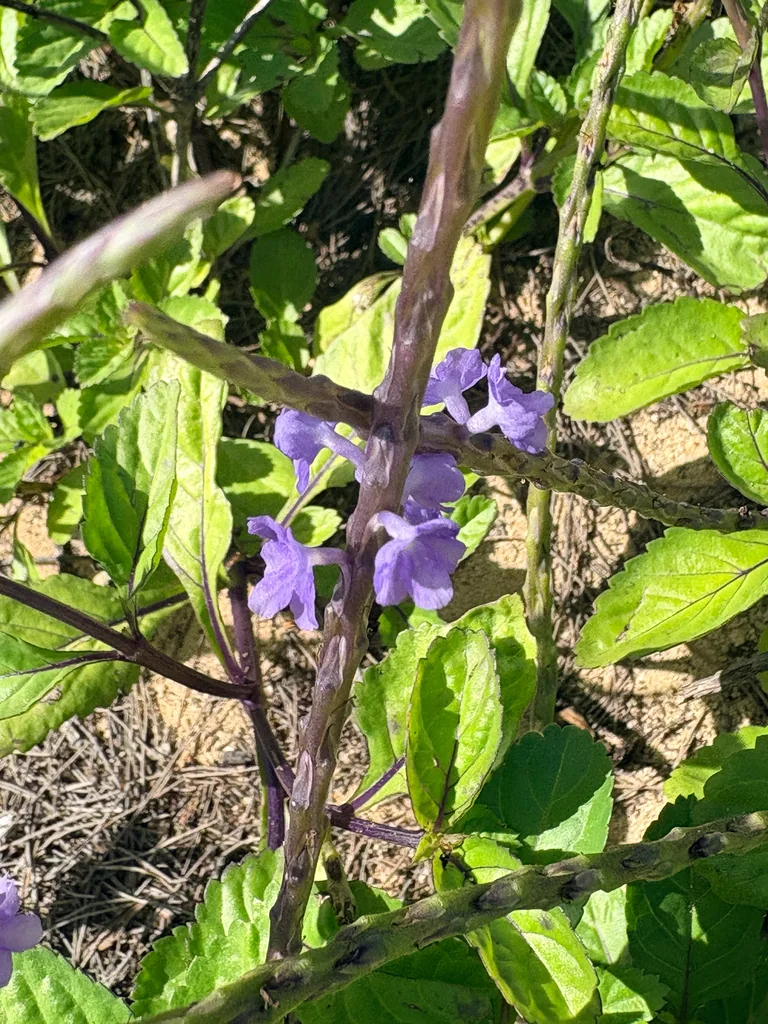
Thinking about Native Blue Porterweed for a yard in Port St. Lucie? Known for slender blue-violet flowering spikes visited by butterflies, Stachytarpheta jamaicensis can make a memorable addition when the location suits its needs. Before buying, compare your property’s light, rainfall runoff and usable bed width with the plant’s natural form.
Is Native Blue Porterweed a good choice for Port St. Lucie?
For Native Blue Porterweed, start with full sun to partial shade and moderate during establishment. Florida landscapes often combine sandy soils, strong summer rain, dry spells, reflected heat from driveways, and occasional winter cold. The same plant can look very different in a shaded courtyard than beside hot pavement. Watch drainage after a summer downpour and compare it with conditions during the drier season.
A native selection can be especially helpful when you are building a wildlife-conscious yard, but even native plants must be matched to light, moisture and available space. Before purchasing, examine the exact cultivar and the nursery’s size information: a species name does not guarantee that every selection grows to the same dimensions.
Where to plant Native Blue Porterweed in a front yard
One promising use is a pollinator border where spreading is welcome. Consider how the plant looks from the sidewalk and from the home’s entry. The most effective landscape is usually not the one with the largest number of species; it is the one with clear repetition, easy access for maintenance and enough room for growth.
For wildlife value and structure, Combine a tall background shrub with lower flowers or grasses. This creates layers while leaving movement space for birds and pollinators. Keep new plants away from air-conditioning equipment, downspouts and maintenance access, and check HOA landscape rules before making substantial changes.
Light, watering, mulch and ongoing care
Sun: Full sun to partial shade. Water and soil: Moderate during establishment. Water new plants according to weather and root-zone moisture rather than using one fixed schedule for every species. Aim water at the root zone, and avoid keeping the area continually saturated unless this is a species selected for wet conditions.
Use mulch to help moderate soil moisture, but keep it pulled away from stems, crowns and trunks. Check for pests and nutrient problems before automatically adding fertilizer. A soil test is especially useful where fill dirt, irrigation water or high-pH soil can change plant performance. Confirm the true native species on the nursery label.
One mistake to avoid
Confusing it with more aggressive nonnative porterweeds. This is the sort of detail to plan for before installation, not after the planting bed is complete. Also avoid treating all flowering shrubs or groundcovers the same way: mature dimensions, pruning timing and irrigation requirements may be very different.
Before finalizing a layout, sketch the driveway, walks, windows and irrigation heads. That makes it easier to place Stachytarpheta jamaicensis where it can be enjoyed without creating a maintenance obstacle.
Frequently asked questions
How much sunlight does Native Blue Porterweed need?
Full sun to partial shade. Watch the bed at morning, midday and late afternoon because a location can shift from bright shade to intense sun over the day.
What should I check before planting Native Blue Porterweed?
Confirm drainage, usable width, source and cultivar, and the seasonal water needs. For this plant, an especially useful reminder is: confirm the true native species on the nursery label.
Planning a planting bed in Port St. Lucie?
Lex Groundworks LLC helps customers with plants, mulch, decorative rock and landscape bed improvements. Tell us what the area gets for sunlight and what look you want to achieve.
General planting guidance is informed by Florida-Friendly Landscaping principles. A local soil test, site inspection, and current UF/IFAS advice are more reliable than a one-size-fits-all schedule.